TWP leans into modular resort dressing for work-to-weekend ease
TWP’s Resort 2027 collection turns a few sharp pieces into a week’s worth of looks. It’s the kind of wardrobe math that works for office hours, dinner, and everything in between.

The smartest thing about TWP’s Resort 2027 is that it is built to multiply
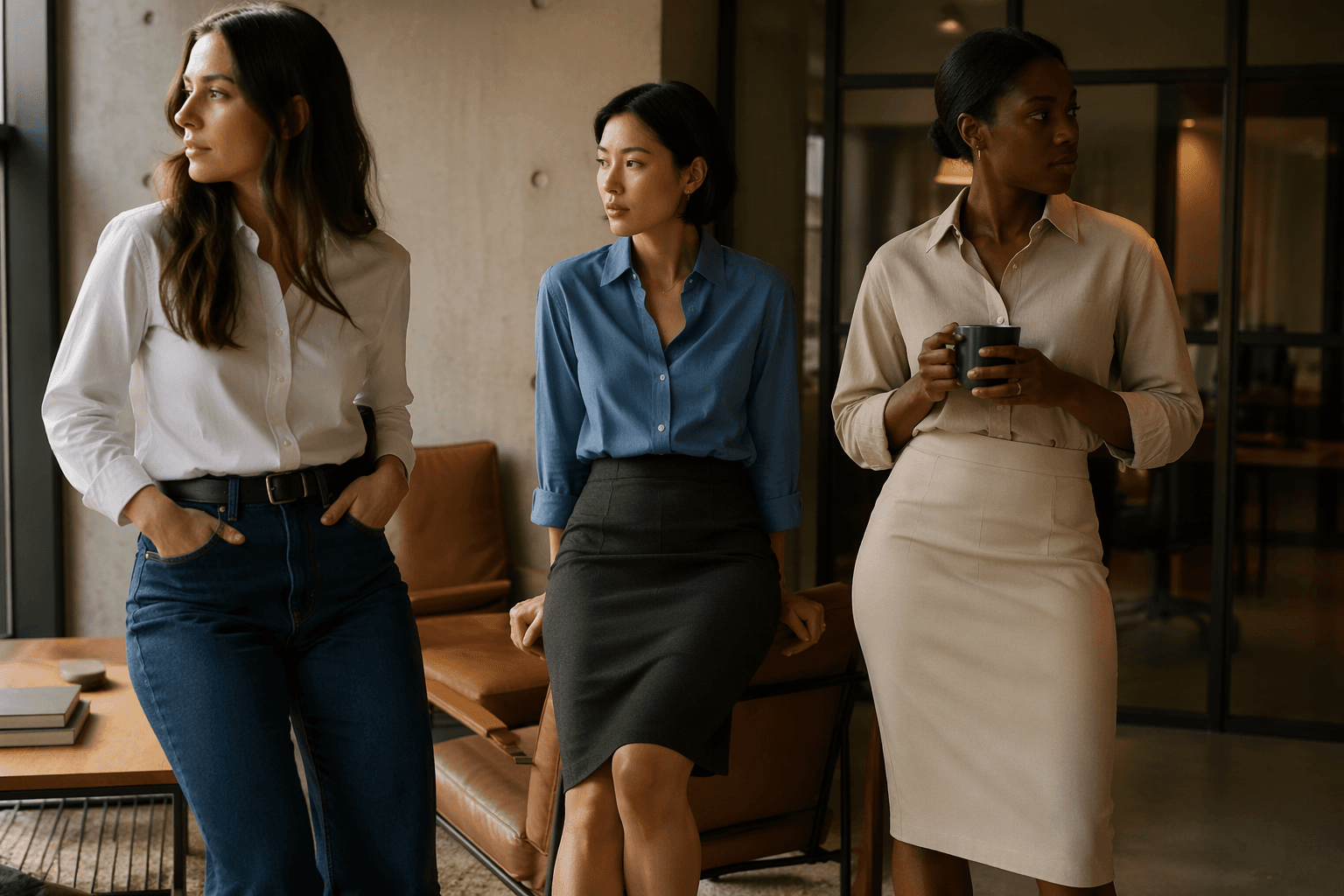
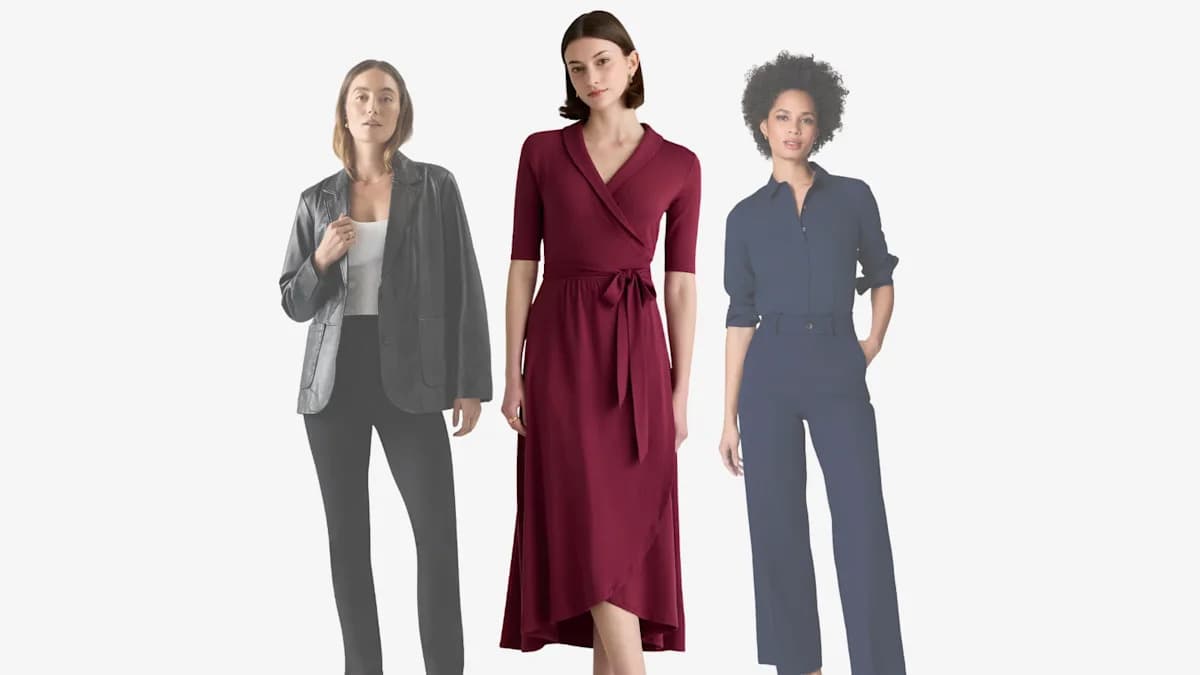
TWP is not selling the fantasy of an overflowing closet. It is selling the better idea, a lean wardrobe that actually works harder, with pieces that move from desk to dinner without a costume change. WWD’s Resort 2027 review put the emphasis exactly where it should be, on texture, layering, ease, comfort, and “ample chic wardrobing” designed to mix and match. That is the whole point here: fewer pieces, more outcomes, less dead weight.
The collection reads like a blueprint for hybrid life, where your calendar can swing from meetings to errands to a late lunch without giving you a full outfit crisis. TWP’s approach is especially persuasive because it does not treat versatility as a bland sales word. It treats it as a design system, one built from proportions, finishes, cuffs, trims, subtle embellishments, and the kind of tailoring that keeps even soft clothes looking intentional.
Why TWP’s modular idea works now
TWP has always lived in that space between polish and ease. The brand describes itself as offering beautifully crafted women’s clothing with a balance of luxurious fabrics, tailoring, and comfortable fits, and that balance is exactly what makes Resort 2027 feel useful rather than precious. The line is not trying to reinvent workwear from scratch. It is taking the useful parts of a modern wardrobe, shirting, trousers, denim, tailoring, and American heritage workwear references, then making them feel lighter, sharper, and more fluid.
Trish Wescoat Pound has been clear about the formula behind the label: Italian fabrics, sharp tailoring, and American sportswear, with clothes that are effortless, elevated, easy, cool, and wearable. That combination matters because it keeps the collection from tipping too far into either boardroom stiffness or weekend softness. You can wear it to work, but it will not look trapped there.
There is also a practical philosophy built into the brand’s DNA. Pound has said she does not believe in rigid spring versus fall wardrobes, and instead designs in layers for changing weather conditions. That idea is not just a nice brand line. It is the backbone of how a modular closet survives real life, where a forecast can change by the hour and your schedule can shift even faster.
The mechanics of the wardrobe: how the pieces are meant to talk to each other
The reason modular dressing is more compelling than a pile of individual “hero” items is simple: every piece has to earn multiple jobs. TWP’s Resort 2027 direction suggests clothes that are not trapped in one category. A shirt is not just a shirt. A tailored trouser is not just office gear. Denim is not just casual. Everything is designed to cross over, which is what makes the wardrobe feel efficient instead of repetitive.
The core formula
- Start with a refined shirt and let the finish do the work.
- Pair it with trousers when the day needs structure.
- Swap to denim when the tone needs to soften.
- Add layering pieces to handle weather, temperature changes, and dress codes.
- Repeat the same base items across the week, but change the proportions and textures around them.
That is the TWP logic in plain language. The brand’s focus on details, proportions, and subtle embellishments means the clothes do not need loud prints or gimmicks to feel new. A clean cuff, a better hemline, a smarter fabric, or a slightly relaxed cut can change the entire read of an outfit. In a seasonless wardrobe, those small shifts are the difference between looking styled and looking random.
How to build work-to-weekend outfits from the TWP playbook
This is where the collection becomes genuinely useful. TWP’s mix-and-match approach makes sense for anyone who wants a wardrobe that can handle a hybrid schedule without doubling the number of clothes in the closet. The trick is to think in pairings, not single pieces.
For the office
Pair a tailored shirt with a clean trouser and keep the silhouette long and controlled. The brand’s sharp tailoring keeps the look crisp, while the comfortable fits prevent it from feeling corporate in the old, rigid sense. If the temperature drops, layer rather than switch outfits. That is where TWP’s seasonless thinking pays off.
For after-work plans
Take the same shirt and trousers, then break the formality with denim or a more relaxed layering piece. Because TWP leans into American sportswear and heritage workwear references, the clothes can absorb that shift without losing polish. You get the ease of off-duty dressing, but the pieces still look intentional, not thrown on.
For weekend wear
This is where the collection’s texture and comfort come forward. WWD singled out texture and ease for a reason. The right fabric can make a simple combination feel rich, especially when Italian textiles meet the brand’s more relaxed American frame. A shirt that looked disciplined on Monday can look effortless on Saturday if the rest of the outfit softens around it.
What makes the collection feel expensive, even when it is practical
TWP’s real advantage is that it understands how luxury shows up in utility clothing. It is not just about fabric quality, though the brand’s emphasis on luxurious materials clearly matters. It is also about the way a shoulder sits, the way a cuff falls, the way a trouser shapes the body without pinning it down. That is the sort of detail that makes a wardrobe feel considered from across the room and even better up close.
The brand’s About page talks about a wardrobe that “transcends seasons” and is “crafted for life,” and that is not empty branding when the clothes are engineered around combinations. A piece built for life has to survive repetition. It has to look strong with multiple partners. It has to stay interesting when worn three different ways in one week. TWP’s Resort 2027 pitch is convincing because it understands that modern dressing is about endurance, not novelty.
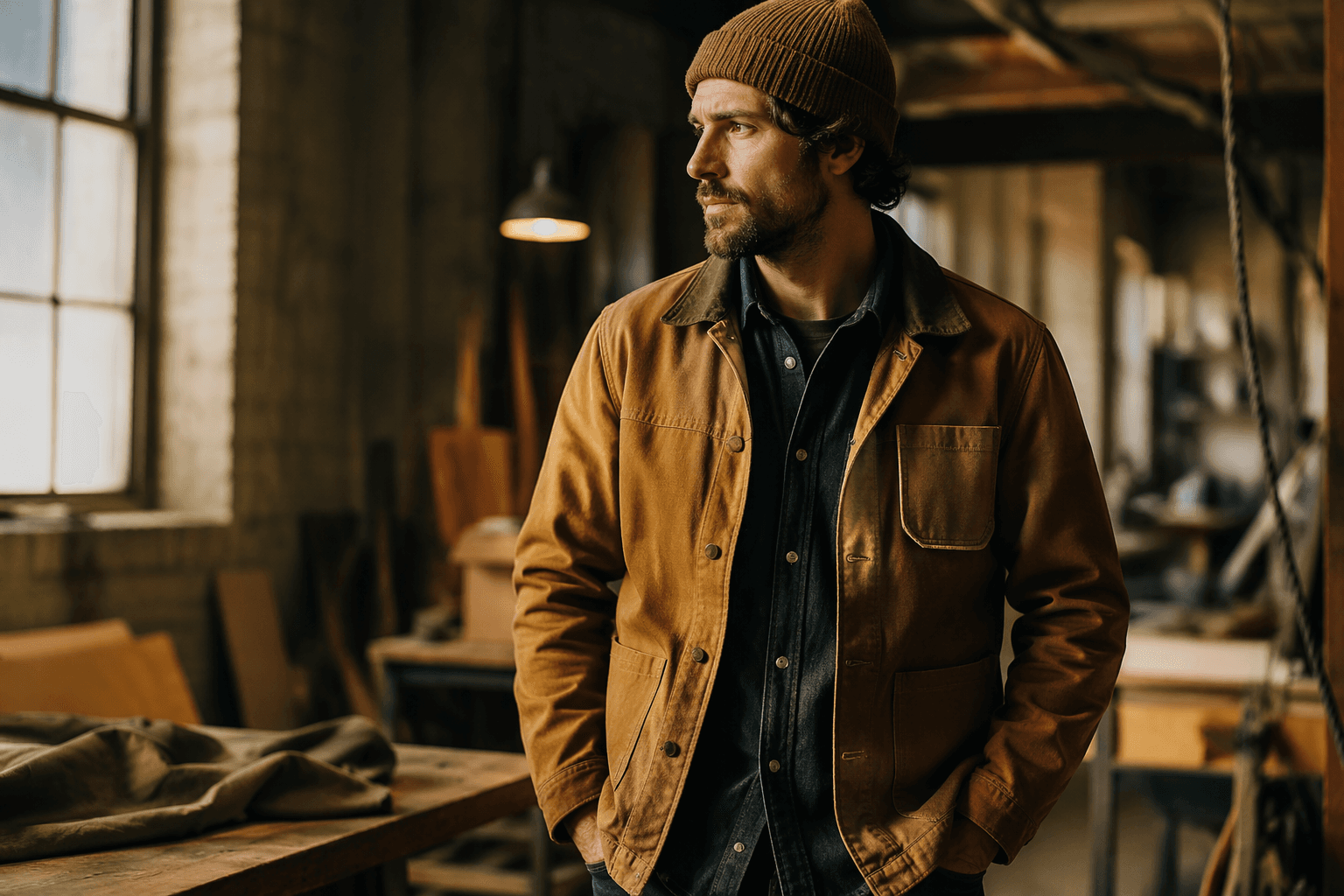
There is also a quiet confidence in the way the label uses American heritage workwear. TWP does not lean on workwear nostalgia as a gimmick. It folds those references into a more polished vocabulary, so the result feels like workwear filtered through a woman’s actual day, not a mood board. That is the distinction that makes it relevant for readers who care about both style and function.
The takeaway: buy less, style smarter
TWP’s Resort 2027 collection is not a loud reinvention. It is a smarter wardrobe strategy, and honestly, that is more valuable. The best pieces here are the ones that can move between structure and softness, between polish and ease, between weekday and weekend without losing their shape.
If your closet already has too many single-use pieces, this is the antidote. TWP is making the case for a smaller, sharper rotation built on shirting, tailoring, trousers, denim, and layers that can be recombined until they feel fresh again. In a market flooded with clothes that only look good once, that kind of modular design is the rare thing that actually earns its hanger space.
This article was produced by Prism’s automated news system from verified source data, official records, and press releases, then run through automated quality and moderation checks before publishing. The system is built and supervised by the people who set the standards it runs under. Read our full AI policy.
Did this article answer your question?