Westminster students champion heavy-duty craft and radical utility
Westminster’s students turned workwear into something sharper than nostalgia: heavy-duty fabrications, deconstructed tailoring and cocooning volume led the show.
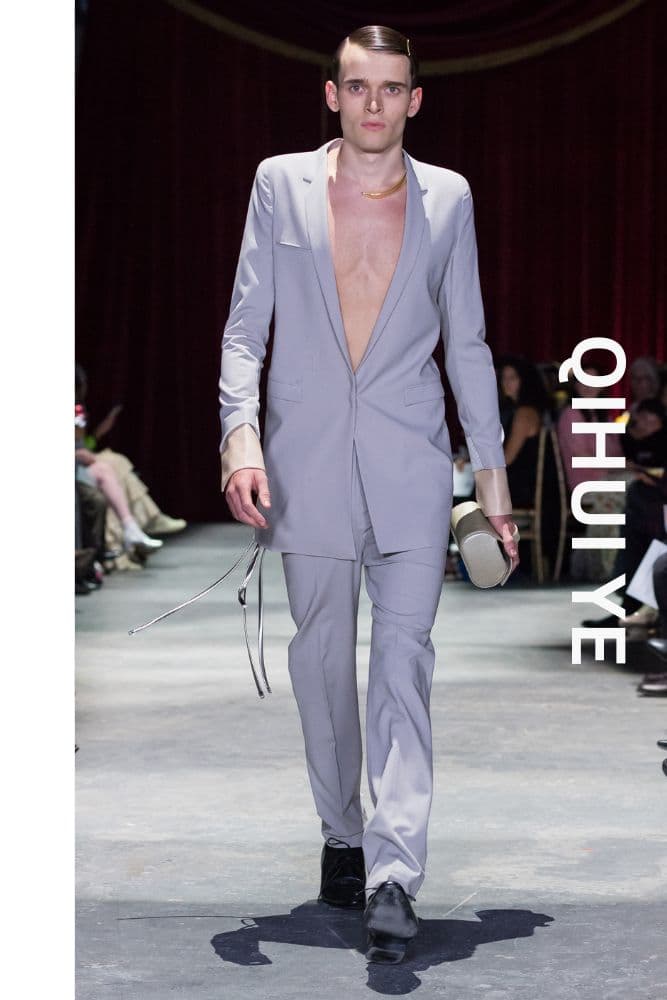
Westminster’s 2026 fashion students turned utility into something far more disciplined than a nod to workwear clichés. Heavy-duty fabrications, deconstructed tailoring and exaggerated, cocoon-like silhouettes gave the runway a hard-edged clarity, with construction doing the talking long before styling ever got a chance.
Utility, but with a tailored hand
ASBO Magazine’s coverage of the show captured the key shift perfectly: this was a runway dominated by hyper-functional utility, deconstructed tailoring and a subversion of traditional menswear and subcultural uniforms. The strongest pieces did not chase obvious carpenter-pant nostalgia or costume-grade toughness. Instead, they treated workwear as a design problem, using volume, structure and precise pattern cutting to make garments feel protected, mobile and considered.
That matters because the commercial future of fashion-led workwear is not in simply adding pockets and calling it purpose-driven. Westminster’s students pointed toward a more intelligent lane, where heavy cloth, broken-up tailoring and rounded silhouettes suggest durability without sacrificing shape. The effect is less heritage revival and more architectural utility, the kind that can move from runway language into a wardrobe with actual range.
What makes this thesis especially compelling is the restraint behind it. Cocoon-like silhouettes can easily tip into gimmick if the cut is weak, but here the volume reads as engineered rather than inflated. Deconstructed tailoring, when it is done well, does not look undone at all. It looks deliberate, which is exactly why this approach feels commercially sharper than the familiar shorthand of cargo straps and faux-industrial surface noise.

Why Westminster’s technical culture matters
The collection language makes sense when you look at the school behind it. The University of Westminster says its BA Fashion Design course was the first undergraduate course invited to show a selection of students on the official London Fashion Week schedule in 2018, and it returned to the schedule in February 2020 before the national lockdown. That history gives the work an industry-facing seriousness; it is not a course asking students to decorate trends, but one training them to build a point of view through technique.
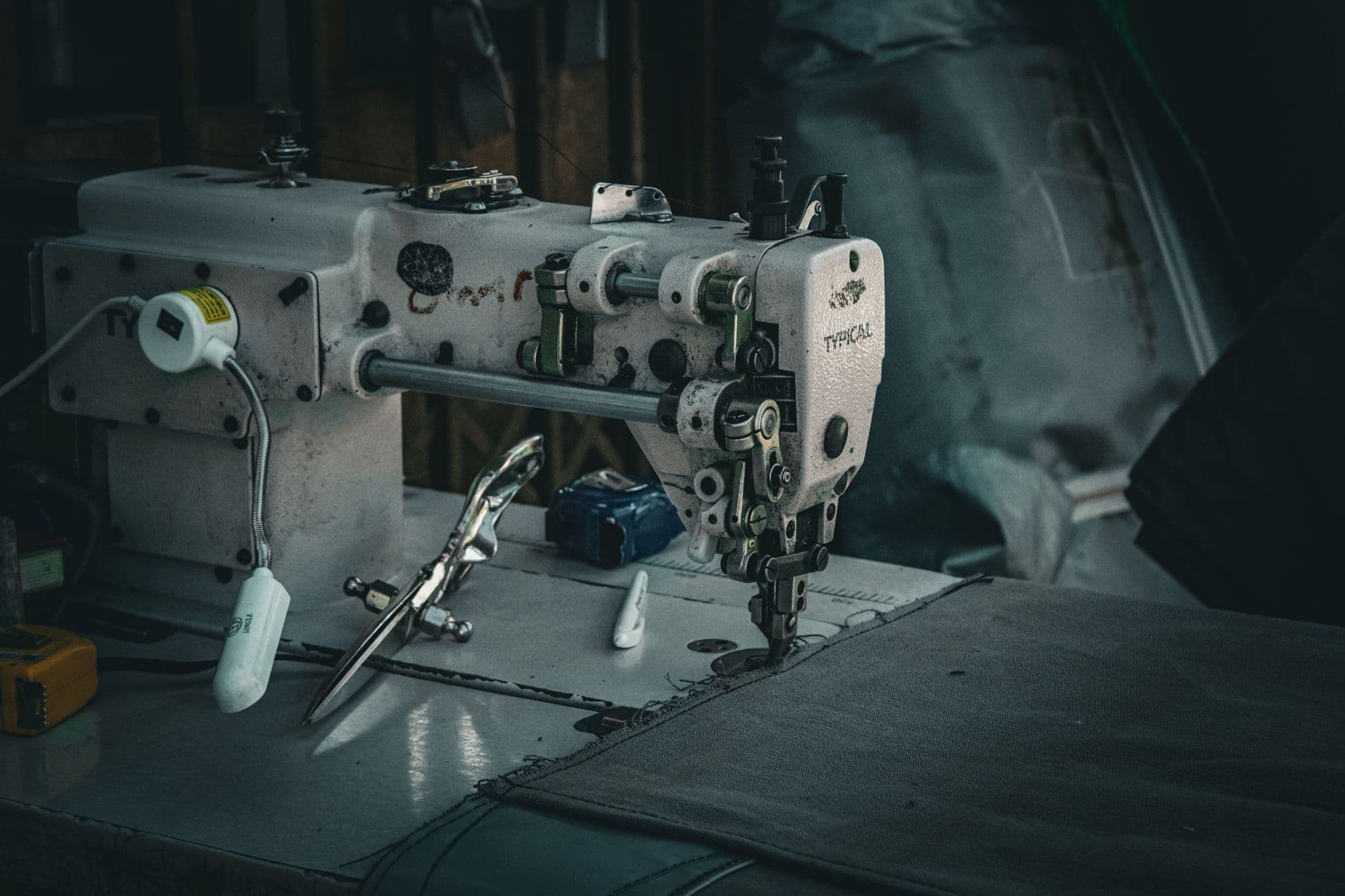
Westminster also places innovation, technical skills, sustainability and diversity at the center of the course, and the studios are equipped with industrial sewing machines, pattern-cutting tables and mannequins. Those details are not decorative in a story like this. They explain why the runway’s most convincing gestures were structural, not superficial, and why the garments felt like they were drafted to endure handling, movement and scrutiny.
The school’s material environment matters as much as its reputation. Industrial sewing machines reward precision, pattern-cutting tables encourage problem solving, and mannequins let students test proportion in three dimensions rather than relying on flat sketches alone. That is the infrastructure behind the show’s most persuasive idea: utility is only compelling when it is built with enough rigour to survive close inspection.
- heavy-duty fabrications that suggest resilience rather than novelty
- deconstructed tailoring that rewrites form without losing polish
- cocoon-like volume that turns protection and movement into silhouette
A useful way to read the collection is to focus on three signals:
That combination is where next-gen workwear starts to feel commercially plausible. It keeps the emotional charge of utility, but strips away the predictable signifiers that have already been overused elsewhere. The result is clothing that looks designed for actual wear, even when it is clearly pushing fashion language forward.
The showcase behind the runway language
The wider context of Westminster’s 2026 fashion portfolio showcase deepens the picture. The one-day event took place on 12 June 2026 at Zone29, running from 10am to 5pm as part of the university’s 2026 Degree Shows season. Students from Fashion Design and Fashion Marketing and Promotion presented final-year portfolios alongside campaigns, lookbooks and creative research, so the event was not just about finished looks but about how those looks are framed, sold and communicated.
That wider portfolio setting is important because it helps explain why Westminster’s workwear feels so commercially alert. The students are not only building garments, they are learning how those garments live across imagery, branding and market positioning. In that environment, utility becomes more than a styling choice. It becomes a coherent language for a fashion consumer who wants clothes that can be worn, read and repeated.
The fact that the show sat within a full degree-show season also matters. Westminster’s final-year work was positioned as part of a broader conversation about the future of fashion, and the fashion portfolio showcase offered a concentrated glimpse of that direction. When a school places technical garments beside lookbooks and campaigns, it is effectively testing whether the idea can survive the transition from studio object to product narrative.
From campus to the wider industry stage
The timing could not be more pointed. Graduate Fashion Week 2026 was scheduled for 15 to 18 June at Truman Brewery in London, placing Westminster’s showcase just ahead of the world’s largest display of BA fashion talent. Graduate Fashion Foundation describes the event as the largest showcase of its kind and marked 2026 as its 35th anniversary, which gives the week a rare kind of industry gravity. This is where student ideas stop being purely academic and start being read as market signals.
Graduate Fashion Foundation has also been building opportunities for multidisciplinary fashion graduates since 1991 through education, mentorship and industry collaboration. That framework matters because a collection language rooted in utility, tailoring and workmanship is exactly the kind of thing buyers and recruiters can understand quickly. It is legible, but not bland; directional, but not dependent on trend shorthand.
Westminster’s students seem to understand that the future of workwear is not about piling on references. It is about making clothes that feel loaded with function, then cutting them with enough authority to keep the silhouette moving forward. In that sense, the show did more than present garments. It argued that the next commercial wave of utility will belong to craft, structure and ease in the same breath.
This article was produced by Prism’s automated news system from verified source data, official records, and press releases, then run through automated quality and moderation checks before publishing. The system is built and supervised by the people who set the standards it runs under. Read our full AI policy.
Did this article answer your question?