Why loafers are the polished warm-weather shoe for work
Loafers are the closed-toe summer answer that still clears office dress codes, with suede, penny and ruched versions balancing polish, comfort and ease.

Loafers have quietly become the warm-weather work shoe that does not feel like a compromise. They keep the toe covered for stricter offices, but their low profile, easy slip-on shape and seasonless polish make them feel sharper than a sandal and less fussy than a pump. WWD’s June 5, 2026 loafer guide, which tested six pairs, makes the case plainly: this is the category that lets summer dressing look intentional without surrendering to bare-footed casualness.
Why loafers keep winning the work wardrobe
The appeal is structural as much as stylistic. A loafer gives you a clean line under tailored trousers, cropped suiting and longer skirts, which matters when the office dress code still expects a certain amount of formality. Unlike a heel, it does not demand much from the rest of the outfit, and unlike a sneaker, it reads as a deliberate choice from the moment you step in the room.
That versatility is exactly why loafers keep returning in shopping roundups. Forbes Vetted describes them as comfortable, stylish and versatile, and its 2025 roundup stretches the category across work, walking, driving and more statement-driven chunky silhouettes. In other words, loafers are no longer just the polite shoe in the closet. They are a product family, and the best version depends on where you wear them and how strict your office really is.
Leather, suede and the new summer logic
Material is what decides whether a loafer feels crisp or soft. Polished leather is the safest read for office wear because it keeps the shoe clean and authoritative, especially in black, deep brown or a rich oxblood tone. It mirrors the seriousness of tailoring, which is why it works so well when the rest of your outfit leans breezy, like linen separates or airy shirting.
Suede changes the mood immediately. It diffuses the shine, gives the shoe a velvety texture and makes loafers feel more seasonal without drifting into weekend territory. WWD’s summer edit calls out classic leather alongside ruched suede for a reason: suede gives the silhouette a little air, but still preserves the closed-toe polish that warm-weather office dressing requires. If polished leather is the boardroom version, suede is the version that can survive a humid commute and still look considered at 6 p.m.
The penny loafer still looks the most proper
Among the many loafer types, the penny loafer is the one most obviously tied to office-ready tradition. Encyclopaedia Britannica defines it as a shoe without laces with a strap slit that can fit a penny, which explains its clean, graphic upper and its enduring association with school uniforms, prep dressing and conservative tailoring. That history is part of the reason it remains the most straightforward choice when your office is not especially fashion-forward.
Smithsonian Magazine has also pointed to Bass Weejun loafers as an iconic fashion-history reference from around 1960, and that kind of staying power matters. The penny loafer reads as familiar in the best sense, the sort of silhouette that has already proven it can move across decades without looking costume-like. If you want a loafer that says polished first and trend second, this is the lane.
Ruched loafers are the softer, more directional take
Ruched loafers are the pair that makes the category feel current. WWD describes the style as a 2026 unisex trend, and defines the look as a slip-on shoe with pinched ruching along the upper. That gathered leather or suede gives the shoe a slightly undone texture, which softens the formality of the loafer without erasing its office usefulness.
This is the version that feels most fashion-forward, especially in summer. The ruching breaks up the stiffness of the upper and gives the shoe movement, almost like a small fold in a tailored jacket sleeve. It is less rigid than a penny loafer and less aggressively fashion-led than a chunky lug sole, which makes it ideal if you want your work shoe to register as current without reading gimmicky.
Hybrid soles and chunkier bases change the equation
Sole construction matters almost as much as the upper. A slim leather sole keeps the shoe elegant and easy to wear with suiting, while chunkier or hybrid soles add traction, comfort and a little visual weight. Forbes Vetted’s coverage of chunky loafers and loafers for walking shows how much appetite there is for sturdier bases, especially for readers who expect a shoe to cover long commutes, museum days and office-to-dinner schedules.
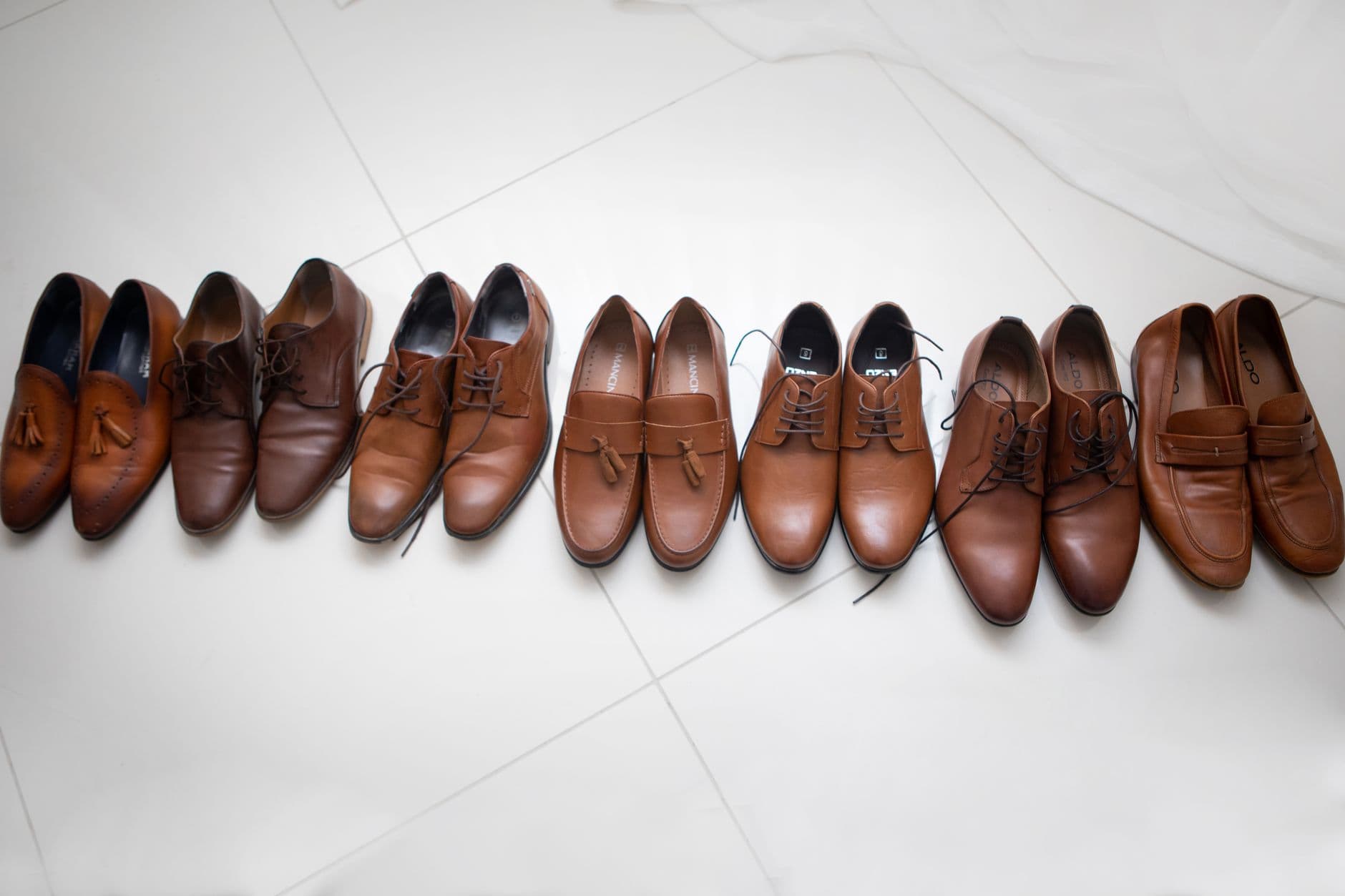
For work, that extra heft can go either way. A modest hybrid sole can make a loafer feel practical and modern, especially if your office allows a slightly more relaxed silhouette. A heavy lug sole, by contrast, starts to tilt the shoe toward casual fashion territory, which can be a strength in a creative workplace and a liability in a more traditional one. The trick is proportion: the thicker the sole, the more the shoe announces itself.
How to choose the version that suits your office
The cleanest answer for a formal dress code is polished leather with a penny or minimal vamp, because it keeps the shoe close to classic tailoring. That is the pair most likely to sit comfortably under suit trousers and still look right with a midi dress. It is also the version least likely to confuse your office with your weekend wardrobe.
If your workplace is more relaxed, ruched suede gives you room to play with texture and shape. It is especially effective with wide-leg trousers, soft blouses and summer knitwear, because the shoe’s surface feels less rigid than leather and more in tune with easy warm-weather dressing. For long days on your feet, a slightly cushioned hybrid sole brings the comfort argument forward without abandoning the loafer’s clean silhouette.
The point is not that every loafer does the same job. It is that the category now covers a range of needs, from strict office polish to trend-aware ease.
Why loafers keep coming back
Loafers endure because they solve a real styling problem: how to look dressed for work when the weather makes everything else feel too open, too casual or too fussy. They carry history, from the penny loafer’s defined upper to Bass Weejun’s mid-century relevance, but they also keep adapting, which is why ruched versions feel so right for 2026. The result is a shoe that can still look authoritative in summer, even when the rest of the outfit is trying to let go.
This article was produced by Prism’s automated news system from verified source data, official records, and press releases, then run through automated quality and moderation checks before publishing. The system is built and supervised by the people who set the standards it runs under. Read our full AI policy.
Did this article answer your question?