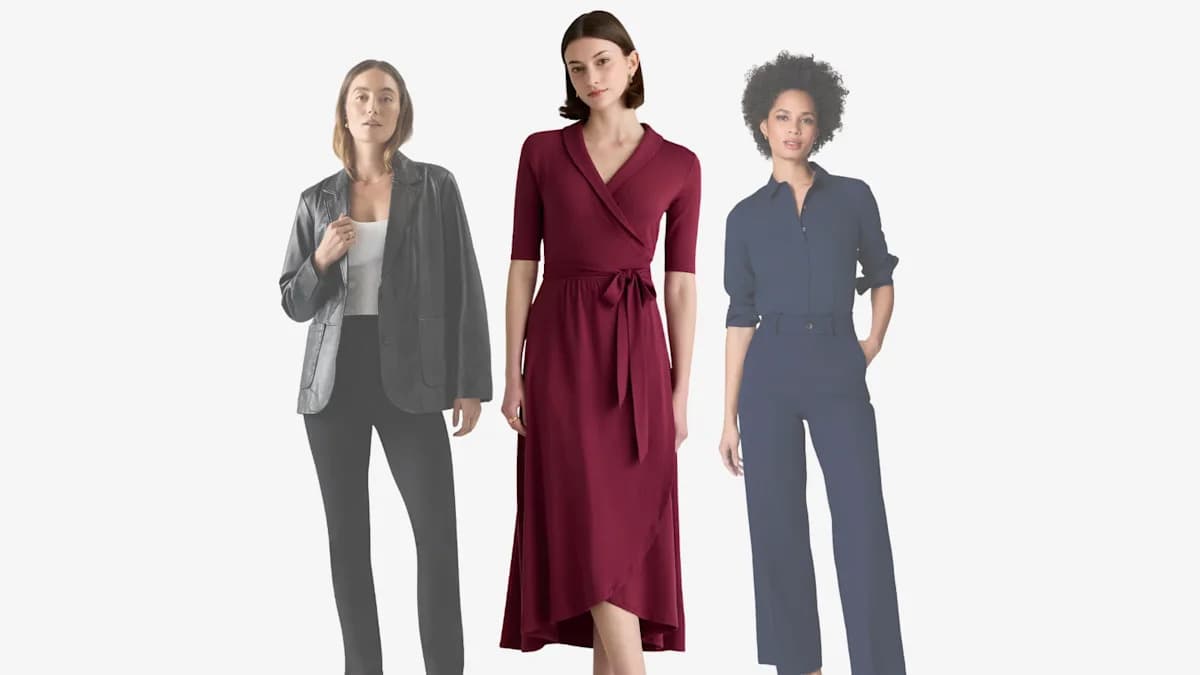
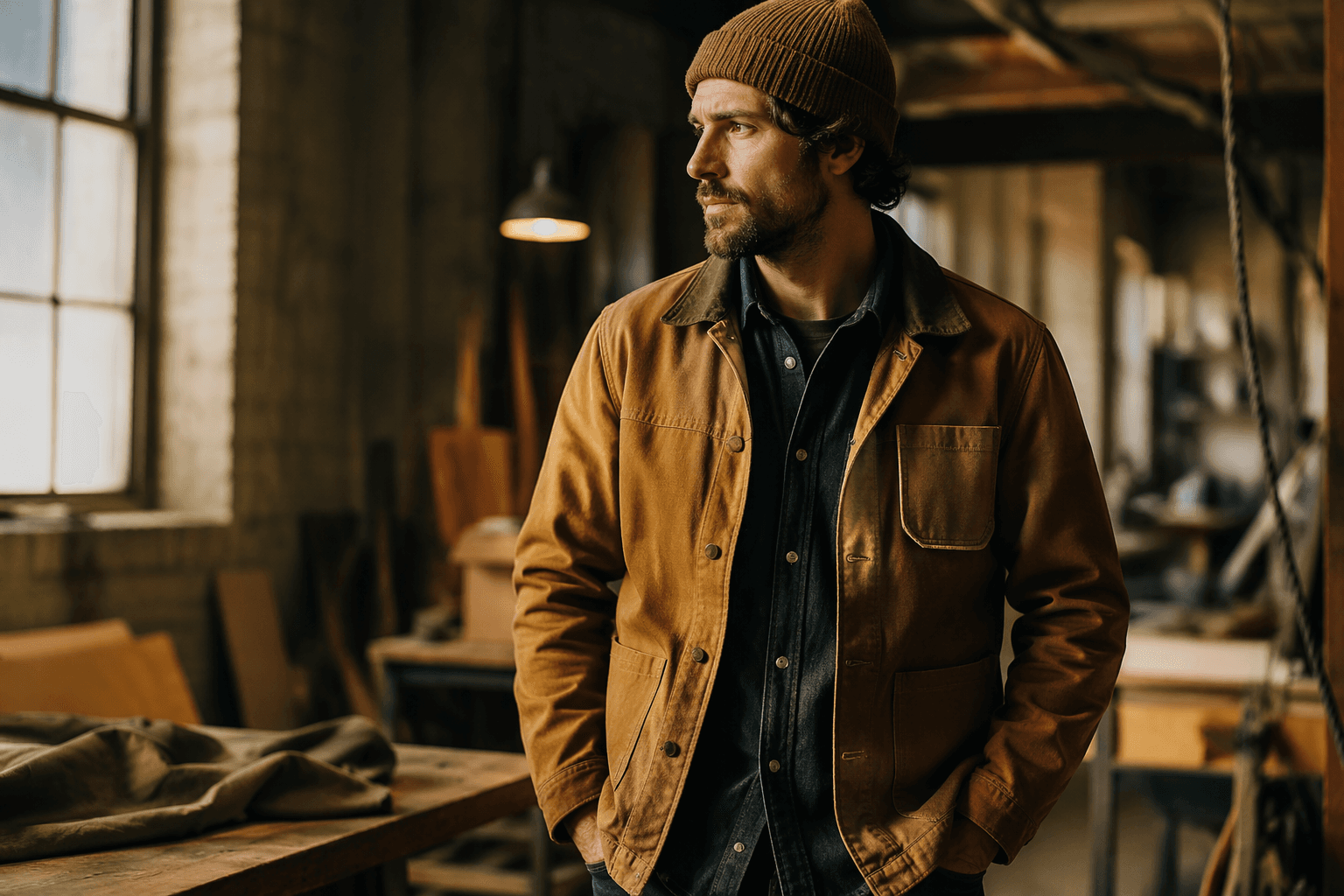
Zara, Mango and COS deliver polished workwear staples for every generation
Zara, Mango and COS are making workwear feel sharper, calmer and easier to wear at any age. The real win is polished basics with strong cut, modest shapes and all-day layering mileage.
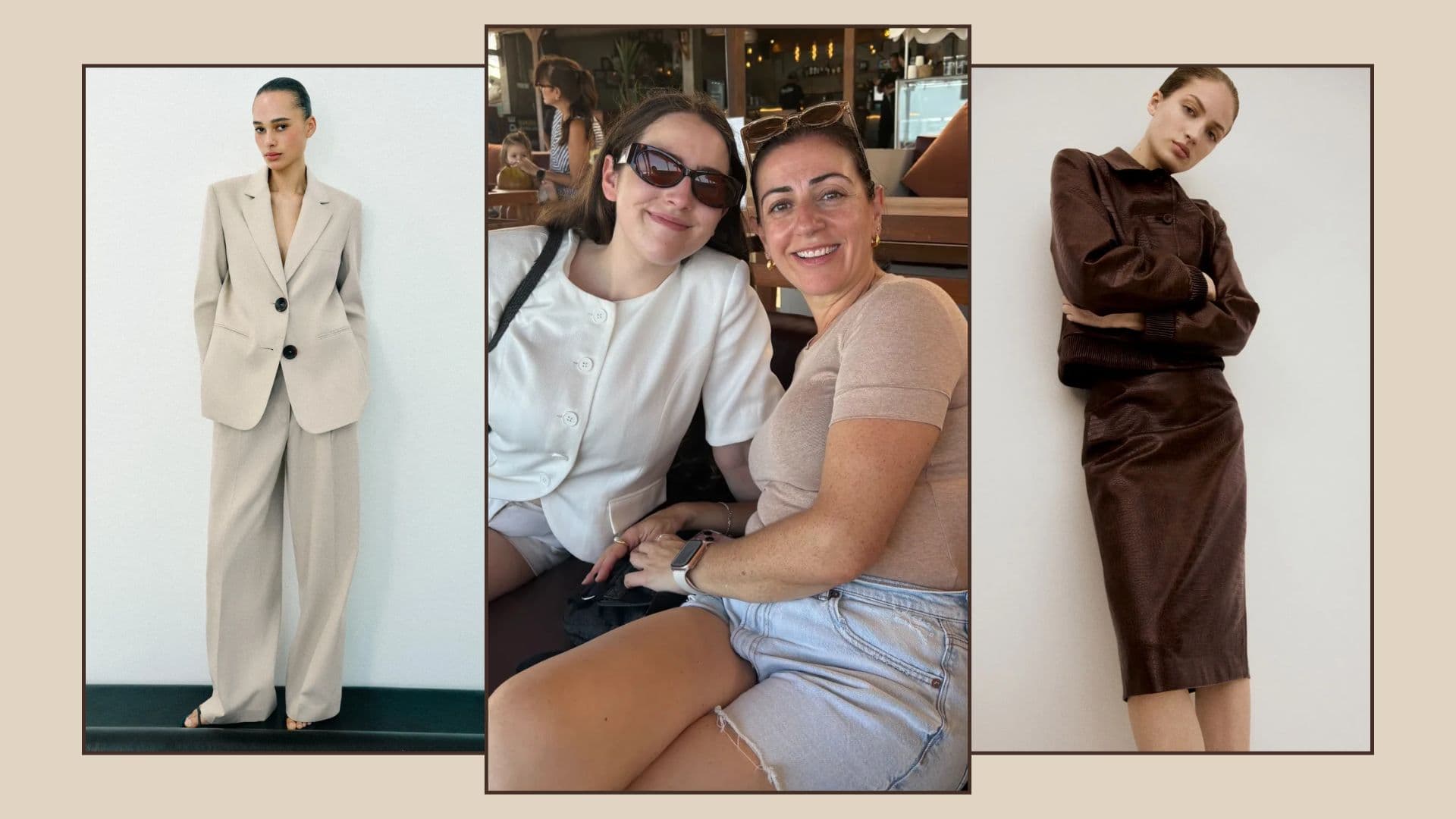
A good weekday wardrobe does not need a personality transplant. It needs shirts that sit cleanly, trousers that move from desk to dinner without apology, and knits and jackets that look just as right on a 24-year-old as they do on her mum.
That is exactly where Zara, Mango and COS keep landing: in that sweet spot between polish and practicality, where the clothes feel considered without turning precious. Who What Wear’s recent shopping edit built around pieces both the writer and her mum actually want to wear taps into a bigger shift in high-street shopping too, one that values strong cut, modest shapes, layering potential and cost-per-wear over anything too trend-chasing.
Why this edit works for more than one generation
The appeal of this kind of workwear is not nostalgia. It is usefulness. When a shirt, trouser or coat looks sharp across ages, it usually means the silhouette is doing the heavy lifting: the shoulder is clean, the hem is measured, the fabric has enough structure to hold its shape, and nothing feels fussy or overdesigned.
That is why this Zara, Mango and COS lane keeps outperforming in shopping coverage. These brands are not selling fantasy office dressing. They are selling the kind of pieces that can survive a commute, a meeting, a school run, and a second life with loafers or sneakers. The generational angle is smart because it proves the clothes are not tied to one fleeting style tribe. If your mum wants it too, the piece probably has real wardrobe stamina.
The brands behind the clothes matter
Zara sits at the center of Inditex, the giant that built its reputation on moving fast without making the clothes feel disposable. Mango brings scale of a different kind: by the end of 2024, it said it had more than 2,800 stores in more than 120 markets, which tells you how widely this taste for polished high-street dressing has traveled. COS, meanwhile, is one of H&M Group’s portfolio brands, and that parent company says it operates over 4,000 stores in more than 80 markets, sells online in over 60 markets, and extends its portfolio brands into around 70 additional markets.
That scale matters because it explains why these labels keep showing up in wardrobe-building edits. They are not niche finds. They are global basics machines, with enough reach to make a clean blazer, ribbed knit or tailored trouser feel like a common language across offices in London, New York, Milan, Madrid or beyond.

Mango’s numbers show how serious the basics business has become
Mango’s 2024 results underline just how durable this lane is. The company reported revenue of 3.339 billion euros, up 7.6% from the previous year, or 11.6% at constant exchange rates. EBITDA came in at 636 million euros, and net profit reached 219 million euros. Online sales contributed around 1.1 billion euros, roughly a third of total sales, which is a reminder that the polished-basics shopper is happily buying these clothes without stepping into a store.
The brand’s mix is also changing in a way that makes this workwear edit feel even more relevant. Woman still accounts for 79% of Mango’s business, but its Man and Kids & Teen lines grew strongly in 2024. That is the commercial backdrop behind the generational styling idea: Mango is not just dressing one woman, it is widening the room.
What the strongest pieces usually look like
The smartest buys in this category are not the obvious office uniforms. They are the pieces that make office dressing feel less brittle and more alive. Think crisp shirts with enough ease to layer under a sweater vest, trousers that skim rather than cling, soft-shouldered jackets that read tailored without shouting, and knit polos that feel more modern than a button-down but still have structure.
You want materials that do two things at once: hold shape and wear well. A shirt should look good tucked, half-tucked or thrown open over a vest. A trouser should sit smoothly with a loafer, but not collapse when paired with a sneaker. A jacket should be polished enough for a meeting and easy enough to wear over denim on Friday.
- Structured shirts bring the most mileage when the collar is clean and the body is relaxed.
- Straight or gently tapered trousers are the least fussy route to looking pulled together.
- Knit polos and fine-gauge sweaters make layering feel intentional, not bulky.
- Minimal outerwear, especially in neutral shades, does more wardrobe work than trend-led statement coats.
Why these labels keep winning the “expensive-looking” test
The phrase is overused, but the idea is real. Zara, Mango and COS tend to make clothes that look more expensive than they are because they borrow from tailoring codes, not novelty. The shapes are often quiet, the finishes are restrained, and the palette leans into the sort of neutrals that let texture do the talking.
That is also why the reader response around these edits keeps climbing. Who What Wear published a related chic-basics guide four months ago, another Zara, COS and Mango spring edit three months ago, and now this newer shopping story is still circling the same brands. That repetition is not boredom. It is evidence that readers keep coming back for pieces that can anchor a weekday uniform without getting stale.
The real value is cost-per-wear, not just low price tags
The best workwear basics are the ones that keep showing up in different combinations. A blazer is nice; a blazer that works with matching trousers, white denim, black tailoring and a slip skirt is what actually earns its place. A shirt is useful; a shirt that can layer under a sweater, stand alone, and still look crisp after repeated wears is better.
That is why this high-street trio makes sense for readers building a practical uniform. The pieces are rarely flashy, but they are designed to be repeated. And when a garment can move between offices, ages and seasons without looking forced, it stops being a trend buy and starts becoming part of the architecture of getting dressed.
This article was produced by Prism’s automated news system from verified source data, official records, and press releases, then run through automated quality and moderation checks before publishing. The system is built and supervised by the people who set the standards it runs under. Read our full AI policy.
Did this article answer your question?