How to Choose Luxury Limited-Edition Gifts Worth Collecting and Gifting
Three mistakes quietly drain value from luxury limited-edition gifts: fake scarcity, murky provenance, and inflated resale prices. Here's the five-minute checklist to catch all three before checkout.

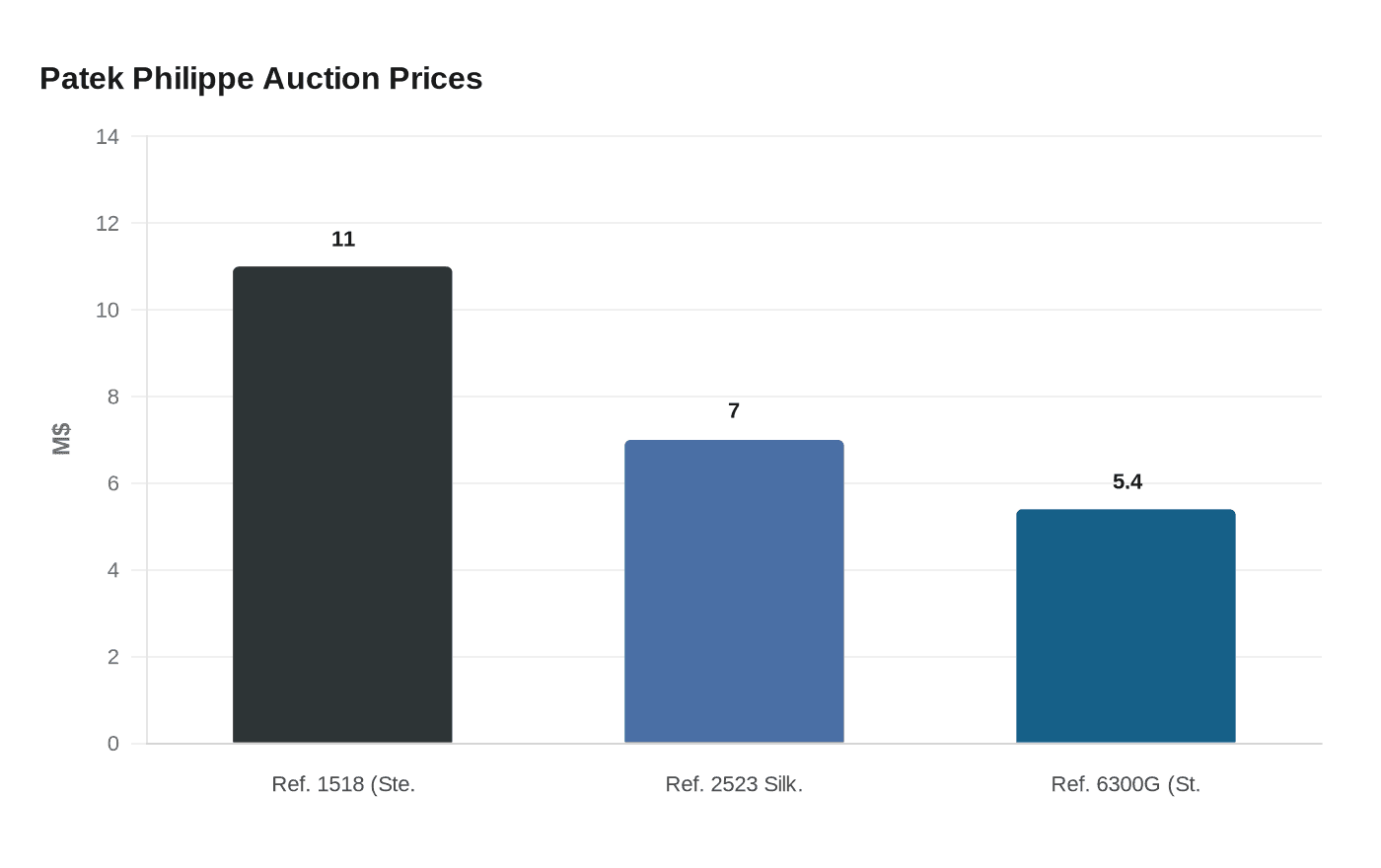
The secondary market for numbered luxury watches is the clearest proof that scarcity is the most valuable ingredient in any gift. Patek Philippe's Ref. 1518 in stainless steel, produced in just 281 pieces with only four ever made in steel, sold for $11 million at auction. The cloisonné enamel "Silk Road" Ref. 2523 cleared $7 million. Neither result happened by accident. Both came with unimpeachable edition documentation, brand-confirmed provenance, and decades of traceable ownership. The lesson for gift buyers isn't about price range; it's about process. The same checklist that protects a $50,000 watch purchase also protects a $400 hotel chocolate sculpture. What you're really buying, in every category, is verified scarcity. Without it, you're paying a premium for marketing.
Before any purchase in the luxury limited-edition space, there are three mistakes worth guarding against: falling for fake scarcity, accepting unverifiable provenance, and paying inflated secondary market prices. Here's how to catch all three in under five minutes.
Mistake 1: Fake Scarcity — and How to Confirm the Real Thing
The most common error is treating "limited edition" as a meaningful signal without demanding the specifics behind it. True collector-grade scarcity comes with explicit edition sizes: a numbered watch limited to 50–300 pieces, a chef-made chocolate sculpture requiring pre-order and in-person collection, a jewelry run tied to a single workshop's annual output. Anything beyond 500 pieces starts to erode the secondary market premium significantly.
The do/don't here is direct:
- Do ask for the total edition number in writing before purchase. "Limited edition" printed on a box is marketing. "No. 47 of 150" engraved on the caseback or stamped on a certificate is a fact.
- Don't accept regional or seasonal framing as a substitute for edition size. "Available only this spring" is a sales window, not a production limit.
- Do cross-reference edition claims with the brand's official communication, an authorized retailer, or a specialist publication. For watches, references like EveryWatch aggregate production data and auction history across more than 500,000 timepieces, giving buyers an independent baseline.
- Don't conflate retailer exclusivity with genuine scarcity. A watch exclusive to one department store may still be produced in the thousands.
For food-category gifts, the parallel is the hotel chocolate egg: products like Claridge's Easter eggs, crafted over three days using Valrhona milk, white, or dark chocolate, hand-tempered and hand-moulded, then filled with praliné gull's eggs and boxed in the hotel's signature jade packaging, are genuinely limited by production capacity. That three-day handcraft timeline is the authentic scarcity signal. A mass-produced egg with decorative foil is not.
Mistake 2: Unverifiable Provenance — the Proof Artifacts to Demand
Provenance matters on two levels: it validates the object's story for the recipient, and it protects resale value if the gift ever enters the secondary market. Sylvester Stallone's Patek Philippe Grandmaster Chime Reference 6300G sold for $5.4 million, a result partly driven by celebrity provenance. That's an extreme example, but the principle scales down to every named collaboration on the market: a watch co-designed with a named artist, a chocolate collection developed by a recognized pastry chef, a jewelry piece from a signed workshop all carry more verifiable narrative than an anonymous "luxury edition."

The proof artifacts to demand, by category:
- Watches and jewelry: Edition certificate with serial number, original purchase receipt from an authorized dealer, service papers for pre-owned pieces, and a brand-confirmed reference number that matches the piece in hand.
- Chef or maison collaborations (food, couture objects): Named chef or pastry chef credit on the official brand communication, not just on the retailer's product page. Confirmation that the collaboration is exclusive rather than licensed broadly.
- Packaging as provenance: For luxury food gifts, the outer box or presentation vessel is part of the collectable proposition. Check whether the packaging itself is signed, numbered, or specific to the edition. A Claridge's jade gift box tied with a black satin bow carries institutional identity; a generic ribbon does not.
The do/don't: verify provenance through the brand directly, not through the secondary seller. A screenshot of a listing is not authentication.
Mistake 3: Inflated Secondary Pricing — the Buy Now / Wait / Walk Away Decision Tree
Patek Philippe watches average 95–100% value retention for most models, with popular references trading at 150–300% of retail on the pre-owned market. That range represents the legitimate premium for genuine scarcity and provenance. Anything priced above the top of that band, without documented reason, signals speculation or manipulation.
Use this decision tree before checkout:
Buy now when: the edition is confirmed, the proof artifacts are in hand, the retail price is at or below documented comparable sales, and the pre-order or collection window is closing. Food-category gifts with strict collection deadlines fall here; missing the window means the gift doesn't exist.
Wait when: the secondary price significantly exceeds recent auction comparables, the edition size is unconfirmed, or the pre-order window is still open and you can buy at retail. Limited editions and discontinued references can see sharp jumps in resale value, but collectors who wait for the market to settle often find equivalent pieces through consignment at more rational prices. Auction houses and specialist resellers regularly surface comparable pieces at prices closer to original retail once initial launch demand subsides.
Walk away when: the seller cannot produce edition documentation, the serial number doesn't match brand records, the packaging is inconsistent with what the brand officially released, or the price premium is driven by artificial urgency rather than verifiable scarcity. Urgency is not scarcity.
The Practical Gifting Checks That Get Overlooked
Beyond authentication, three logistics checks prevent gifting failures that have nothing to do with value:
- Shipping and temperature: Edible limited editions, including chocolate sculptures, require temperature-controlled delivery. Confirm the courier protocol before purchase, particularly for summer gifting or international delivery. A $300 chocolate egg that arrives as cocoa paste is not a gift.
- Aftercare and service: For watches and fine jewelry, confirm the servicing schedule and whether the maker or an authorized workshop provides it. A numbered piece without an accessible service chain loses liquidity quickly.
- Collection deadlines: Pre-order windows for luxury hotel chocolates and couture food objects are typically tight and non-negotiable. Miss the collection date, and the maker has no obligation to hold the piece.
Resale and Liquidity: Setting Honest Expectations
Durable categories carry traceable secondary market history; perishable ones do not. A numbered watch or signed jewelry piece can be assessed against decades of auction data. A chocolate sculpture, however spectacular, has a consumption date. That distinction shapes how you pitch each gift: food-led splurges score on spectacle and novelty in the moment; watches and jewelry score on longevity and the possibility of future liquidity.
Mass-luxury goods typically lose 20–40% of their value immediately after purchase, while investment-grade pieces from makers with genuine production limits can sustain or appreciate over time. The difference is almost always documentation. The gift buyer who asks for edition numbers, purchase receipts, and brand-confirmed references before checkout is not being difficult; they are protecting the integrity of the gift itself. Scarcity without proof is just a higher price tag.
This article was produced by Prism’s automated news system from verified source data, official records, and press releases, then run through automated quality and moderation checks before publishing. The system is built and supervised by the people who set the standards it runs under. Read our full AI policy.
Did this article answer your question?