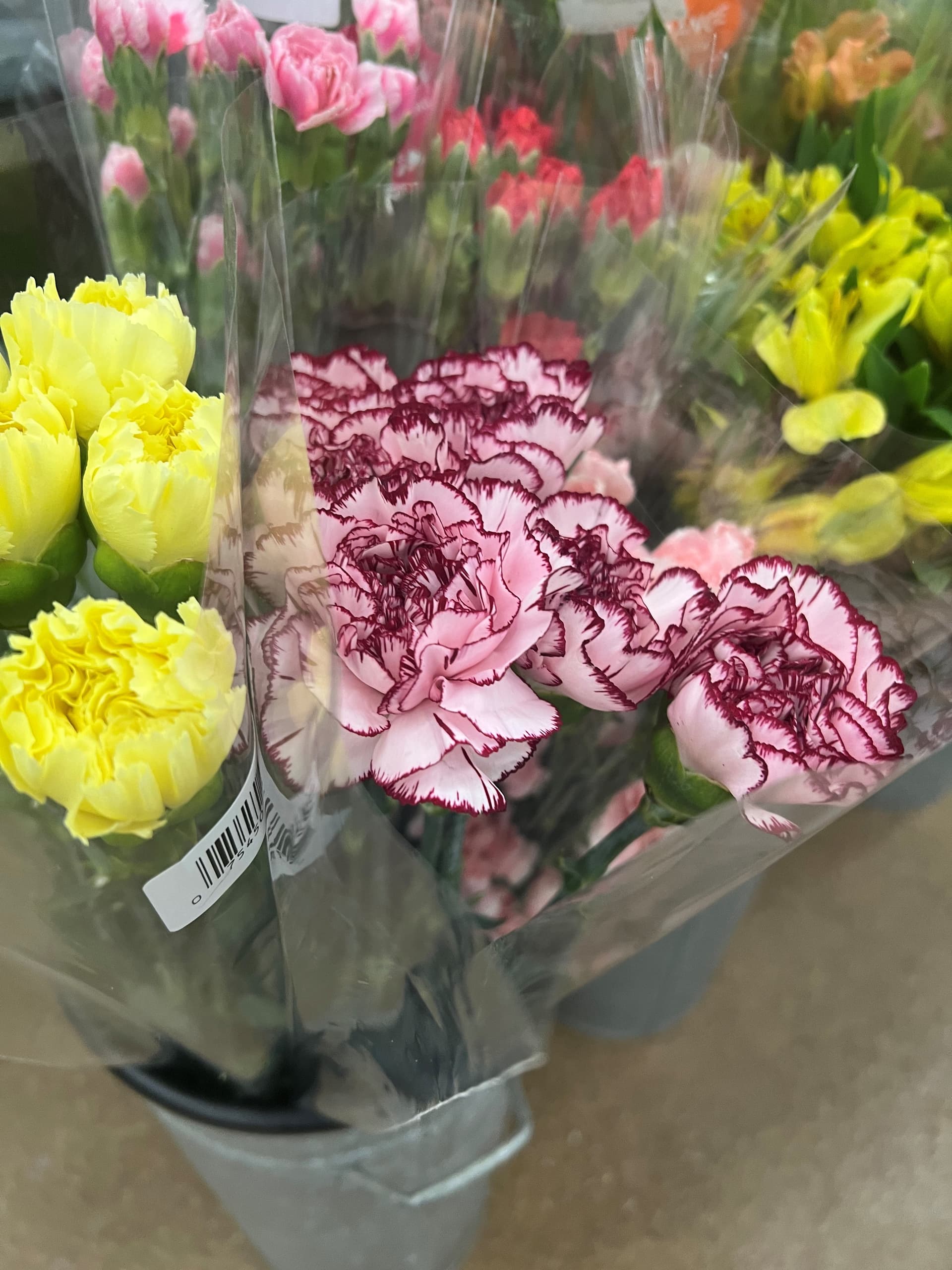
Why carnations are the official Mother’s Day flower
Carnations are Mother’s Day’s official flower because they speak in symbols: pink for gratitude, white for remembrance, and a century of tradition behind the stem.

At the first formal Mother’s Day service on May 10, 1908, at Andrews Methodist Episcopal Church in Grafton, West Virginia, 500 white carnations were used. In the United States, the holiday falls on the second Sunday in May, and carnations have stayed at its center by carrying a vocabulary of motherhood that runs from pink affection to white remembrance.
Why carnations became the Mother’s Day shorthand
Mother’s Day became an official U.S. holiday in 1914, when President Woodrow Wilson called on Americans to honor mothers on the second Sunday in May. The holiday’s modern shape is usually traced to Anna Jarvis, who organized the first formal observance in 1908 in honor of her mother, Ann Reeves Jarvis. Some historians trace it further back to Julia Ward Howe’s 1872 peace advocacy.
Carnations were part of the holiday from the start, and Teleflora lists carnations as the official Mother’s Day flower. The same flower also happens to be Ohio’s state flower, January’s birth month flower, and the first wedding anniversary flower, which gives it unusual range for a single stem.
Read the color before you read the bouquet
The most useful way to buy carnations is to treat the color as the message. Carnations traditionally stand for piety, faith, and beauty, while pink carnations specifically represent gratitude and love. That makes pink the clearest choice when the feeling you want is affectionate and direct, especially for a living mother, grandmother, or mother figure who still gets to hear the thanks in person.
White carnations carry a different charge. They are commonly used to honor a deceased mother, and that meaning gives them a quiet dignity that many flowers lack. If Mother’s Day is also a day of remembrance in your family, white carnations are not a consolation prize.
A tight bunch of pink blooms can feel warm and celebratory, while white carnations suit a graveside tribute, a framed photograph, or a table arrangement meant to hold memory rather than celebration.
When lilies feel more personal than roses
Carnations are not the only flowers with a Mother’s Day message, and the best bouquets often use symbolism to match the relationship. Lilies can symbolize motherhood and the divine feminine, which gives them a more serene, almost devotional tone. Pink lilies suggest admiration and love, while white lilies signify chastity and honor. They suit a mother figure whose style leans graceful and polished, especially if you want the arrangement to feel composed rather than exuberant.
Roses are just as expressive, but the color does the work. Deep pink roses symbolize appreciation. Light pink roses represent happiness, joy, and admiration. Peach roses communicate thanks and respect. That range makes roses especially useful when the relationship is built as much on gratitude as on intimacy. A peach rose arrangement says thank you without overstatement.
Choose tulips, hydrangeas, gerberas, or daffodils for a different kind of message
Tulips bring a spring-forward energy that feels right for Mother’s Day because they are tied to rebirth and deep, perfect love. Pink tulips read as affection, purple tulips as royalty, and orange or yellow tulips as cheer and hope. If you want the bouquet to feel bright and modern rather than formal, tulips are the cleanest choice.
Hydrangeas add texture and subtle color coding. Blue hydrangeas suggest understanding and gratitude. Pink hydrangeas mean love and sincerity. White hydrangeas point to virtue and grace, while purple hydrangeas communicate acknowledgment and abundance. They work well when you want the bouquet to feel full and layered, not simply decorative.

Gerberas are the cheerful option, and they earn their place because they combine color with longevity. That makes them smart for someone who loves a bouquet that stays lively long after the holiday weekend. Daffodils are one of the first signs of spring, with meanings tied to rebirth, new beginnings, and good fortune. They are also often given to new mothers, which makes them especially thoughtful for a first Mother’s Day.
A quick decoding guide for the right mother figure
The old language of flowers has been recognized for centuries in Europe and Asia, appearing in mythologies, folklore, sonnets, and plays.
- Pink carnations: for a living mother you want to thank with warmth and tradition.
- White carnations: for remembrance, especially when Mother’s Day carries loss.
- Pink lilies: for admiration and love with a softer, more elegant tone.
- Peach roses: for thanks and respect when you want the gesture to feel composed.
- Pink or purple tulips: for affection, royalty, and the sense of a new season.
- Blue hydrangeas: for gratitude that feels thoughtful and calm.
- Gerberas: for a bright arrangement with cheerful staying power.
- Daffodils: for a new mother, or any mother figure who feels like a fresh beginning.
The practical detail that matters when time is short
If you are ordering late, carnations also make the logistics easier. Teleflora lists same-day carnation delivery for orders placed before 2:00 p.m. on weekdays or by 12:00 p.m. on Saturday or Sunday in the recipient’s time zone.
This article was produced by Prism’s automated news system from verified source data, official records, and press releases, then run through automated quality and moderation checks before publishing. The system is built and supervised by the people who set the standards it runs under. Read our full AI policy.
Did this article answer your question?