3D-Printed Cornea Restores Sight, Could End Donor Tissue Shortages
A legally blind patient regained sight after a 3D-bio-printed cornea was implanted in Haifa. One donor cornea could now yield hundreds of implants.
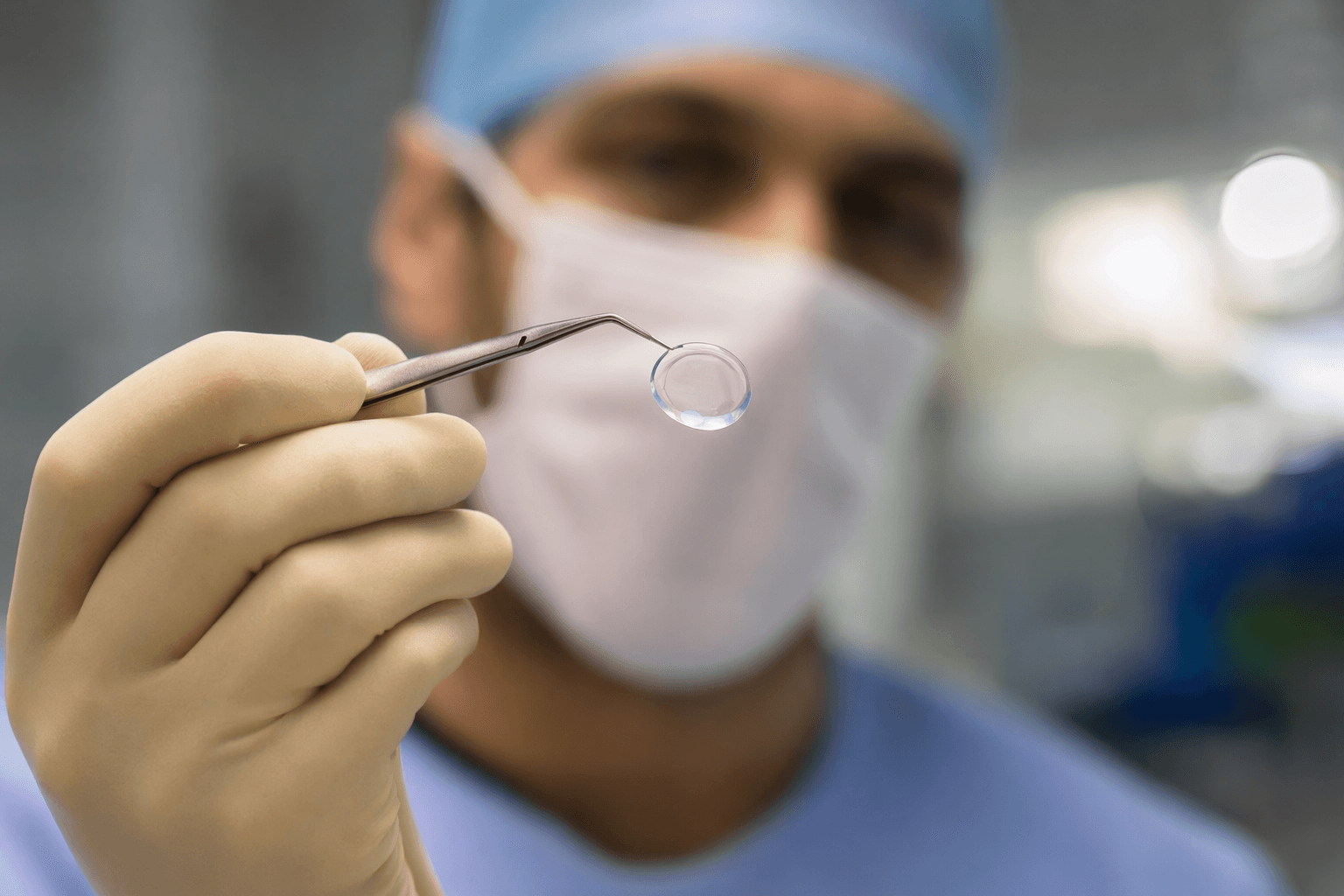
A legally blind patient in one eye regained sight after doctors implanted a 3D-bio-printed cornea in Haifa, a result that pushes additive manufacturing far beyond plastics and into living tissue with real optical function. The implant, PB-001, was placed at Rambam Medical Center on October 29, 2025, in what researchers described as the first human implantation of a fully 3D-bio-printed corneal implant.
That matters far beyond one operating room. Precise Bio says PB-001 is made from corneal endothelial cells and produced with a robotic 3D-biofabrication system in an Israel-based GMP facility. The goal is not just to replace a missing cornea, but to recreate the clarity and biomechanical behavior of native tissue so the implant can integrate with the patient’s own eye. For makers watching the field, the headline is not a desktop print file or a new filament. It is proof that precision, repeatability, and cell handling have advanced enough to turn bioprinting into a clinical manufacturing process.
The current Phase 1 trial is built around that promise. It is designed to assess safety and tolerability in 10 to 15 patients with corneal edema caused by endothelial dysfunction, while also tracking early efficacy at six months. Topline results are expected in the fourth quarter of 2026. The first treated patient was legally blind in the eye that received the bio-implant, according to the details released about the procedure.
The scale of the need is hard to miss. Medical literature cited alongside the trial estimates that about 13 million people worldwide are waiting for corneal transplantation. One review says nearly 70 candidates sit on the wait list for every available corneal transplant, and corneal blindness accounts for roughly 10% of blindness worldwide. Corneal transplantation remains the only way to restore vision in eyes with end-stage corneal decompensation, yet donor supply has stayed well below demand. The pandemic made that gap worse by disrupting donor screening and tissue availability.
That is why the claim that a single donor cornea could produce hundreds of implants lands so strongly. If the technology scales, it could shift corneal care from scarcity to repeatable manufacture. For the 3D-printing world, the immediate takeaway is inspiration, not a garage-ready application. The real breakthrough here is not the machine sitting on a benchtop. It is the level of accuracy, material control, and biological integration needed to print something that can go into a human eye and work.
This article was produced by Prism’s automated news system from verified source data, official records, and press releases, then run through automated quality and moderation checks before publishing. The system is built and supervised by the people who set the standards it runs under. Read our full AI policy.
Did this article answer your question?