Ohio University Outreach Uses 3D Printing to Inspire Future Engineers
Ohio University is turning 3D printing into a real maker pipeline, and Brandon Petrie has already introduced more than 1,000 local students to it.
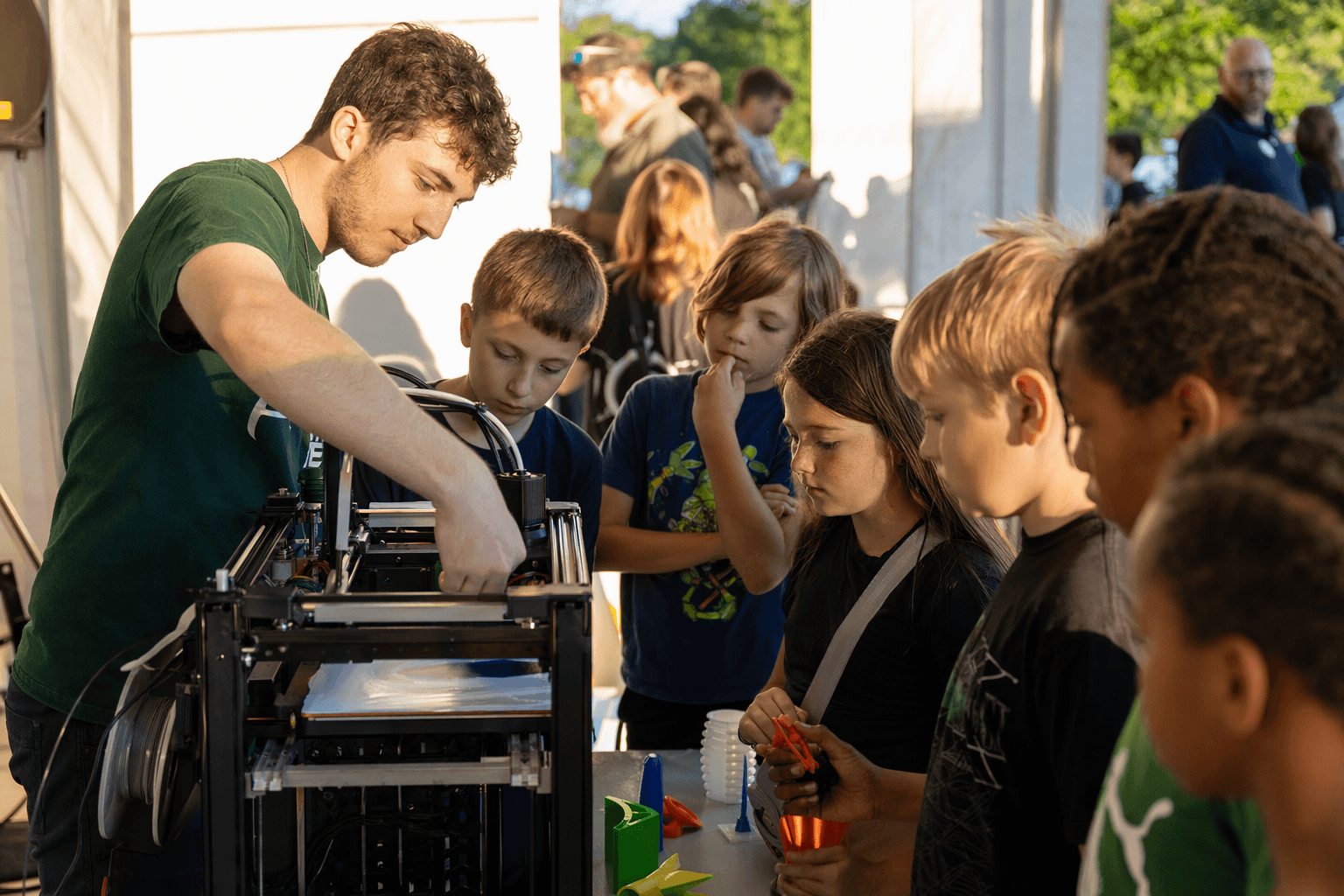
The smartest part of Ohio University’s outreach is not the printer itself. It is the way the school uses 3D printing to move students from watching engineering to doing it, one part, one demo, and one iteration at a time. That is the real payoff for the hobby world too: when a student learns how to go from CAD file to finished object, they are not just getting a school exercise, they are learning the same workflow that makes a home shop, a garage lab, or a neighborhood makerspace actually productive.
Brandon Petrie is the face of that pipeline. A senior in engineering technology and management, he got his start in outreach almost by accident while working as a student employee in the Russ College of Engineering and Technology and leading a tour for visiting students. The work stuck, the outreach expanded, and now he estimates he has connected with more than 1,000 K-12 students from nearby communities in Southeast Ohio. That number matters because it shows how quickly a single student-led effort can scale when the toolset is approachable and the message is simple: this is something you can learn, not something sealed off behind a lab door.
A makerspace that teaches the whole workflow
Ohio University’s CoLab makerspace is built around that idea. It is described as a collaborative workspace that brings together 3D printers, laser cutters, CNC machines, soldering irons, and even sewing machines. That mix is important. Too many people still treat 3D printing like a standalone gimmick, but a real maker environment teaches you to choose the right tool for the job, not just the newest one on the table.
The 3D printing lab inside CoLab includes multiple Creality printers, and PLA filament is provided. That setup sends a clear message about what the school values: repeatable, low-friction fabrication that lets beginners get from concept to part without getting buried in material headaches. For anyone running a club, classroom, or local makerspace, that is a useful clue. If you want people to learn, you need machines that are available, materials that are forgiving, and a workflow that gets them printing quickly enough to stay interested.
Why the robot arms matter as much as the printers
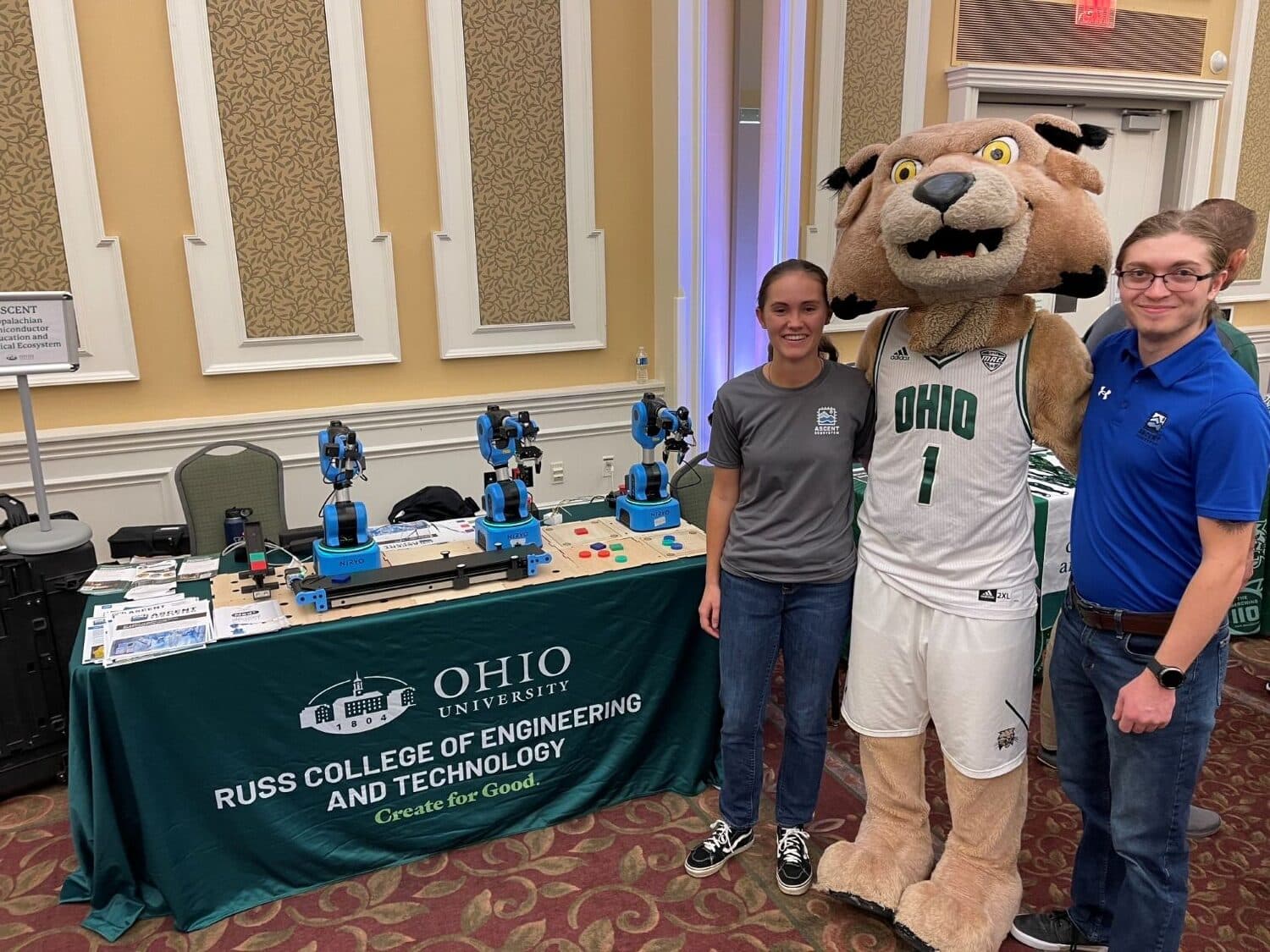
Petrie is not using 3D printers in isolation. He is also bringing in Niryo Ned 2 desktop robotic arms, which lets students see programming and fabrication side by side. The robot demos introduce basic automation concepts like sorting and responding to inputs, while the printers show how a design becomes a physical object layer by layer. That combination is the sweet spot for beginners, because it connects code, motion, and manufacture in one lesson instead of treating them as separate subjects.
For hobbyists, that is the lesson worth stealing. A good project day is not just, “print a trinket.” It is, “design the part, slice it, print it, test it, then watch a simple machine react to the result.” That is how people learn iteration without even realizing they are learning it. Once they see a part fail, adjust the model, and print again, they stop treating 3D printing as magic and start treating it like a practical tool.
What students are really learning
The visible skill is 3D printing, but the deeper skills are the ones that carry into any shop. Students are learning how to work with digital design tools, how to translate an idea into a physical object, and how to understand the limits of a machine before expecting perfect results. That is the kind of fluency that later turns into better first layers, smarter material choices, and fewer dead-end prints.
Petrie’s outreach also makes engineering feel accessible rather than exclusive. The point is not to push every student into the same career path. It is to show them what engineering looks like up close, so the field feels understandable and maybe even personal. That matters in a hobby culture too, because the best makers are usually the ones who were given room to experiment early, mess up cheaply, and try again.
Why this model is worth copying
If you run a classroom, club, or local makerspace, Ohio University’s setup points to a few practical habits worth borrowing:
- Pair 3D printing with another hands-on system, like a small robot arm, so people see fabrication and automation together.
- Keep the material choice simple at the start. PLA is a smart classroom default because it keeps the focus on learning the workflow instead of wrestling the material.
- Build around iteration. Let people design, print, inspect, and revise, because that is where real skill gets built.
- Treat the makerspace as a stack of tools, not a single machine. Laser cutters, CNC, soldering, and sewing all teach different forms of problem-solving.
That is the practical side of the Ohio University story. It is not about a flashy one-off demo. It is about creating a place where students learn the habits that make future makers effective: planning, testing, troubleshooting, and improving.
The bigger reason it matters now
There is also a national reason this kind of outreach hits harder than it used to. The National Science Foundation says the U.S. STEM workforce made up about a quarter of all domestic workers in 2023, so these skills are not niche anymore. At the same time, recent assessments show U.S. K-12 students have not fully recovered from pandemic-related STEM learning losses, which makes hands-on programs more than a nice extra. They are part of the repair.
Research indexed by ERIC backs up the basic logic, too. Makerspaces with 3D printing can support STEM skill and disposition development, but the learning gets stronger when teachers explicitly target the STEM ideas they want students to absorb. That is the part a lot of people miss. The printer alone does not teach. The lesson design does. When Ohio University pairs 3D printing with robotics, a full makerspace, and student-led outreach, it is doing exactly what strong maker programs are supposed to do: making the process visible, understandable, and repeatable.
That is why this story matters beyond Athens. The next generation of buyers, modders, and makers is not just being introduced to 3D printing. It is being trained to use it as a normal part of how things get made, tested, and improved.
This article was produced by Prism’s automated news system from verified source data, official records, and press releases, then run through automated quality and moderation checks before publishing. The system is built and supervised by the people who set the standards it runs under. Read our full AI policy.
Did this article answer your question?