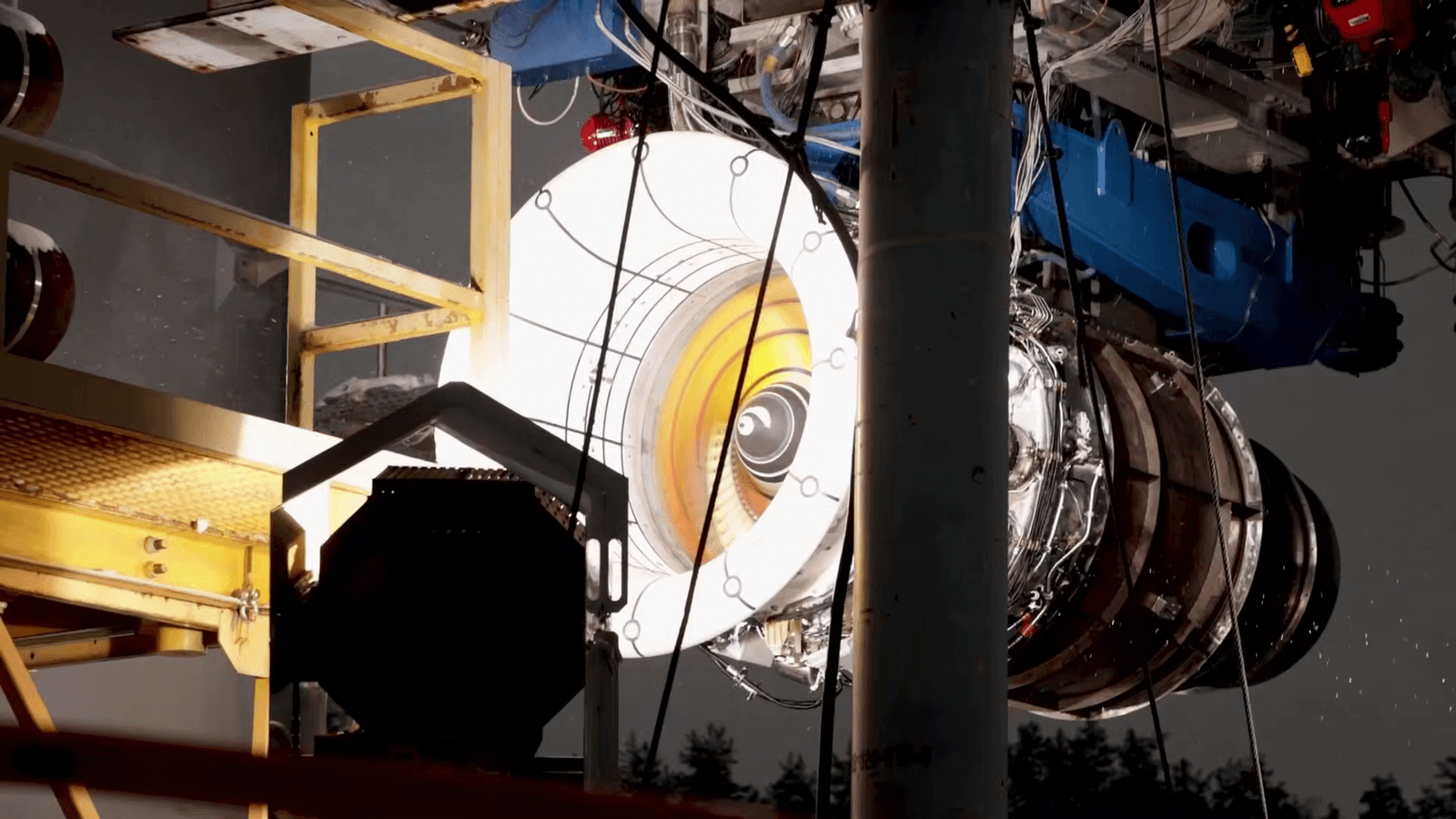
3D printed smart skin aims to protect robots in space
A printed robot sleeve can insulate, route power and data, and block dust in one part, turning a soft shell into a functional interface for space missions.

The useful trick here is not a flashy space logo. It is the way the Danish Technological Institute turned a robot arm skin into a printed, functional layer that can insulate, carry wiring, block dust, and still move with the machine.
DTI’s ESA-funded Smart Skin for Exploration Cobots project was built around a simple problem with brutal consequences: if a robot arm is working inside a space station, in free space, or on a planetary mission, replacement hardware is expensive, slow, and sometimes impossible to send. DTI had already framed that challenge in 2023 by pointing out that Mars is about 57 million kilometres away and a trip typically takes seven months, which makes reliability and repairability far more than abstract engineering goals.
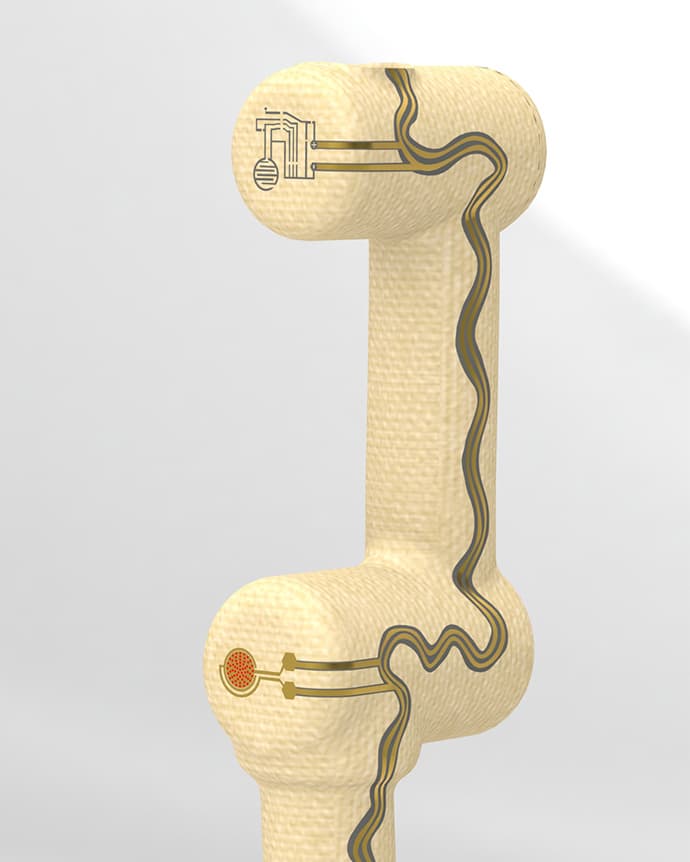
The answer DTI has been developing is a garment-like sleeve for robot arms and joints. The smart skin is designed to combine passive insulation with active thermal management, so the outside layer does more than just cover a mechanism. It also serves as a flexible external harness for power and data lines, adds dust protection, and helps with collision and impact prevention. DTI says it even includes an integrated human-robot interface, which is the part that matters when astronauts need to work closely with robots and not fight the control system to do it.
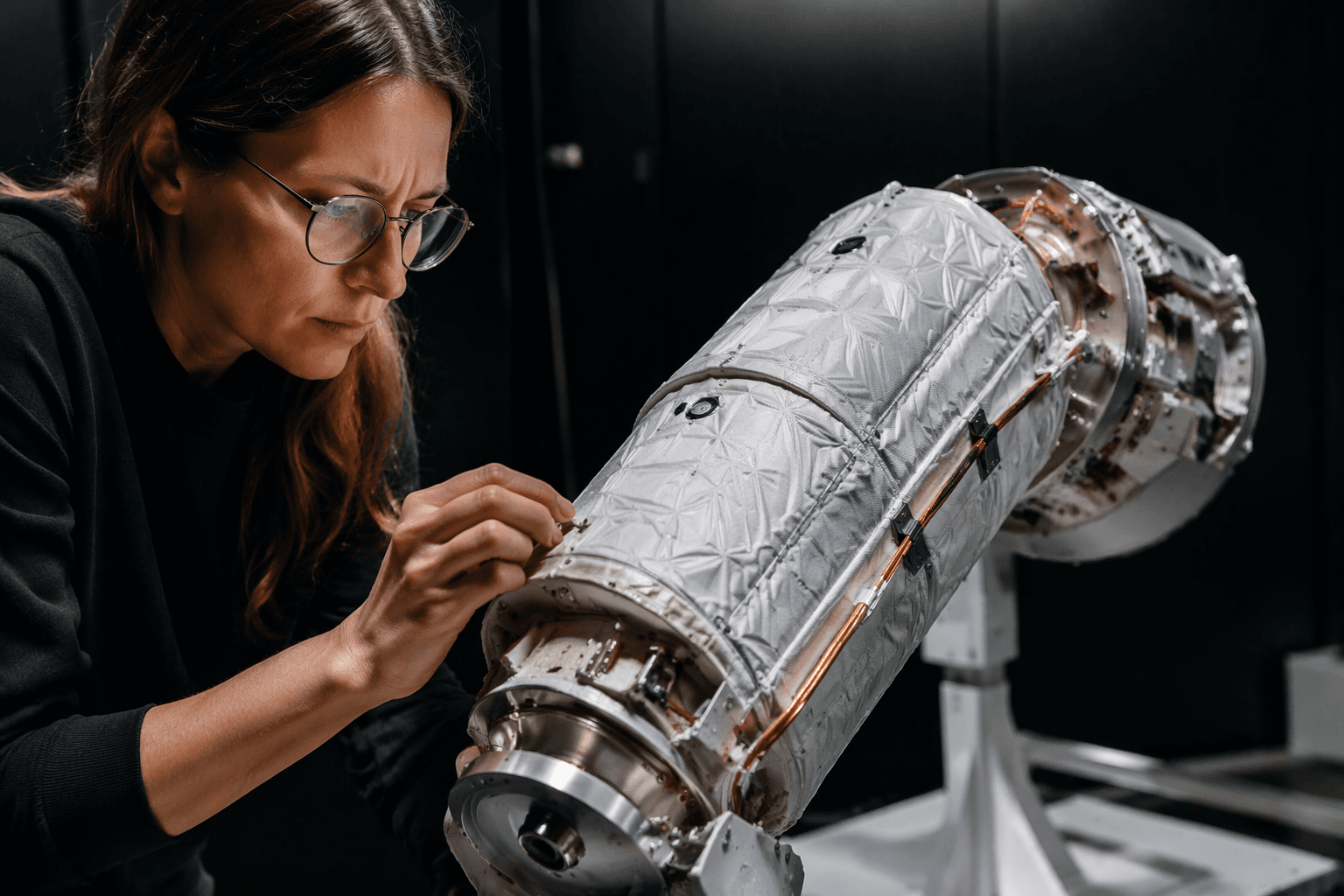
That combination only works because the manufacturing method is doing real work. DTI says printed electronics and e-textiles are key enabling technologies in the project, letting the team fold sensors, display interfaces, dust mitigation features, and textile power harnesses into the printed structure itself. The institute’s broader point is clear: additive manufacturing is not just making a shell here. It is building behavior into the part, using computational design and compliant mechanism synthesis so the structure is designed for flexibility rather than stiffness.
The project’s consortium is led by DTI and includes Admatis in Hungary, PIAP Space in Poland, and Redwire Space Europe in Luxembourg. The current ESA-backed phase has been reported as a two-year effort running from 2026 to 2028, with a budget of €1.65 million and a goal of producing two functional solutions tested in simulated space conditions.
The space use case is the headline, but the practical payoff reaches much farther. DTI has pointed to dusty construction sites, electronics waste sorting, wet agricultural fields, and remote regions with extreme temperatures as obvious Earthside candidates. That is the real signal for anyone watching additive manufacturing closely: the printed part is no longer just a bracket or housing. It is becoming the interface between a robot and the harsh world around it.
This article was produced by Prism’s automated news system from verified source data, official records, and press releases, then run through automated quality and moderation checks before publishing. The system is built and supervised by the people who set the standards it runs under. Read our full AI policy.
Did this article answer your question?