3D-printed turbine could make hydropower viable at thousands of dams
A 3D-printed turbine prototype ran nonstop for more than six years, opening a path to retrofit the 80,000 U.S. dams that still make no power.

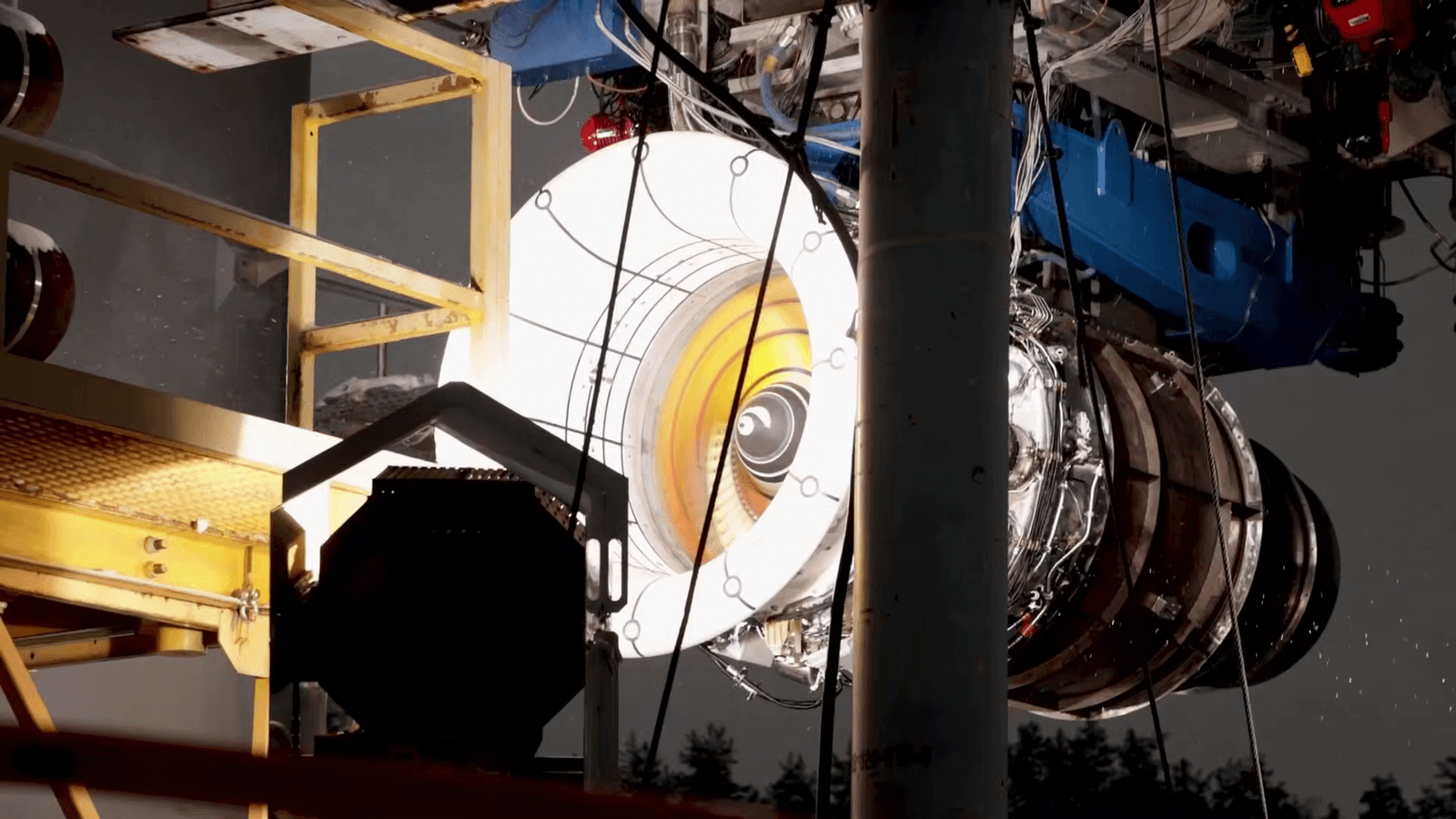
A turbine prototype that has kept turning for more than six years is the kind of durability test that changes the math. Oak Ridge National Laboratory said the part, developed with Wisconsin startup Cadens through the Manufacturing Demonstration Facility, has run continuously at Cadens’ facility long enough to generate the kind of data that matters more than a flashy demo: whether a printed hydro component can survive real water pressure and still pencil out.
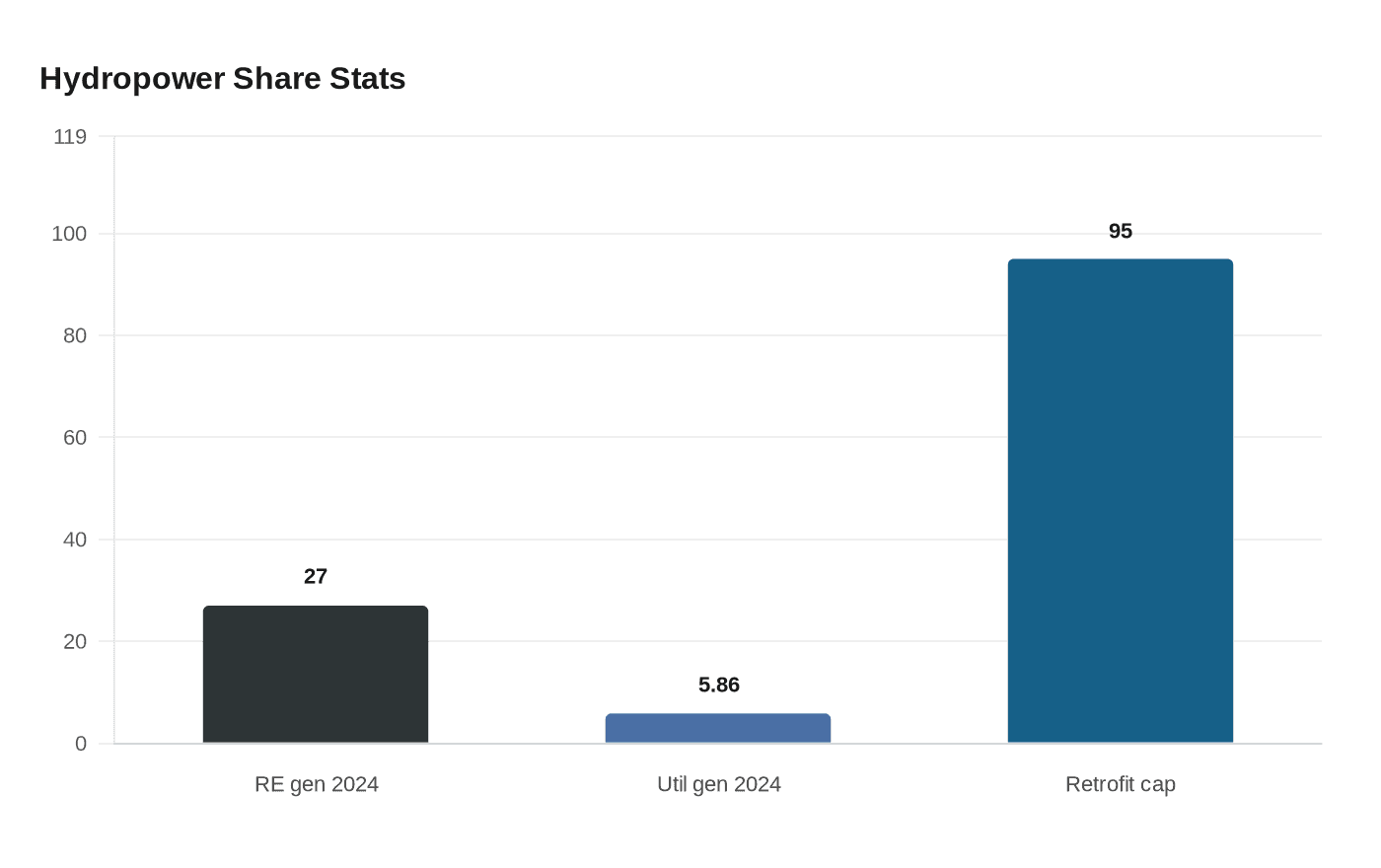
That is the real bottleneck here. The U.S. Department of Energy says hydropower accounted for 27% of total U.S. utility-scale renewable electricity generation in 2024 and 5.86% of total utility-scale generation overall. Yet the country has more than 80,000 non-powered dams, and less than 3% of dams generate hydropower. DOE also says retrofitting non-powered dams makes up 95% of proposed new U.S. hydropower capacity, which is why even modest cost cuts in the hardware can unlock projects that conventional fabrication priced out.

ORNL’s technical-potential dataset estimates capacity at 2,616 non-powered dams in the conterminous U.S., but the practical opportunity is wider than any single map. Across the Midwest, Southwest and Northwest, the same problem keeps surfacing: small sites need custom parts, not mass-produced ones. That is where additive manufacturing starts to look less like a novelty and more like an enabling tool. If a turbine component can be printed, tested and iterated without the tooling bill that kills low-volume jobs, a dam that once failed the business case can come back into play.
The supply chain problem is just as blunt. The National Hydropower Association says hydropower runners are largely produced overseas, and if one fails, replacement can take years. That means lost revenue, lost renewable output and a brutal lead-time problem for operators. DOE-funded Rapid RUNNERS, backed by $15 million over three years, is aimed at changing that by using additive manufacturing and conventional tools to produce large hydropower runners domestically.
ORNL has been circling this idea since at least a 2022 workshop and a March 2023 report on hydropower challenges and opportunities. The Cadens prototype gives that long effort a concrete proof point: not just a printed part, but a printed part that kept going for six years. For the 3D printing crowd, that is the story. Durability at low volume is what turns additive manufacturing from an interesting process into an economic weapon, and in hydropower, that weapon may finally be sharp enough to matter.
This article was produced by Prism’s automated news system from verified source data, official records, and press releases, then run through automated quality and moderation checks before publishing. The system is built and supervised by the people who set the standards it runs under. Read our full AI policy.
Did this article answer your question?