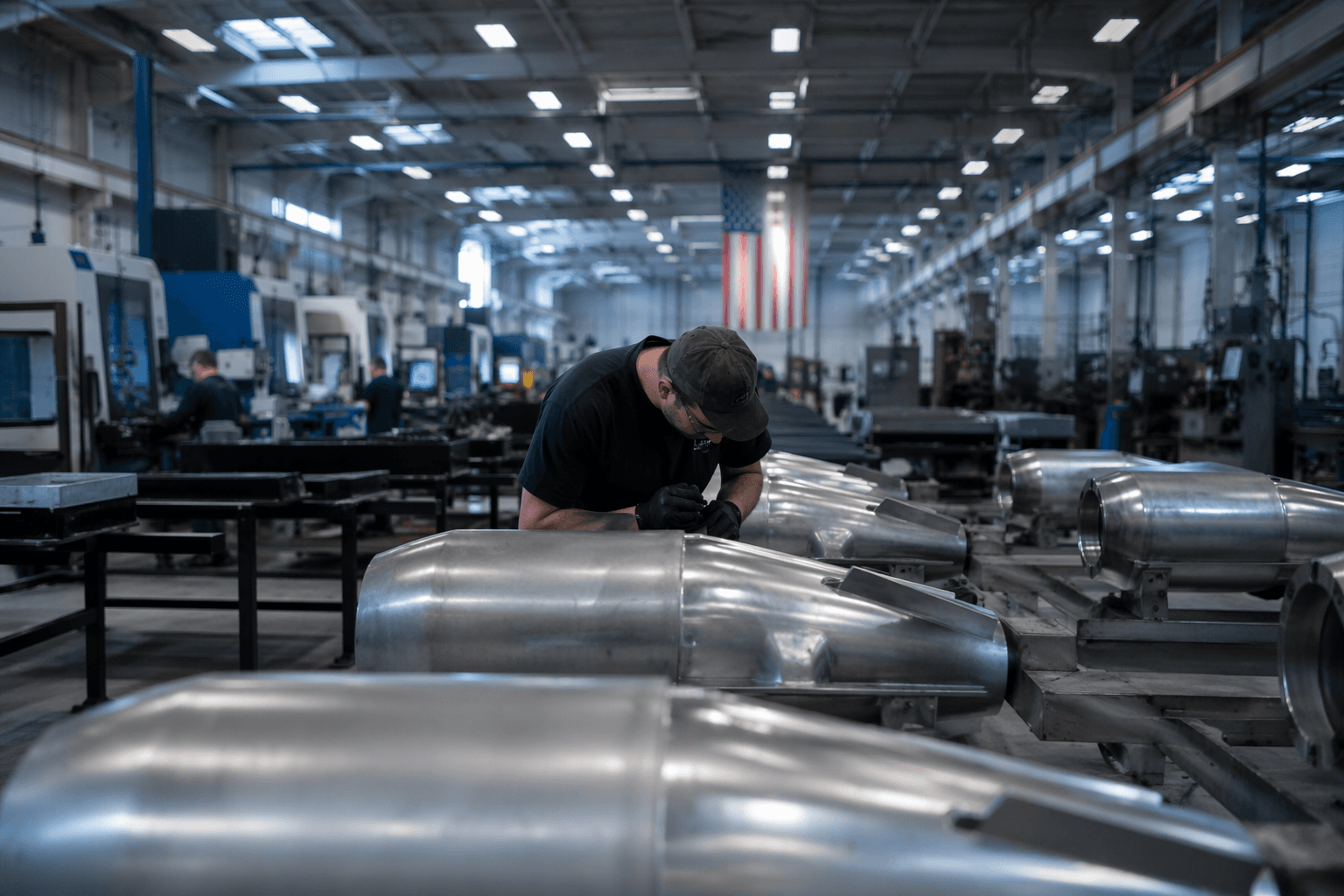
3D Printing Industry announces AMA: Healthcare 2026 speaker lineup
Healthcare 3D printing is maturing fastest in patient-specific devices, dental work and prosthetics, while biofabricated organs stay the long game.
The fastest-moving part of healthcare 3D printing is not the headline-grabbing organ story. It is the quieter, repeatable work of making patient-specific devices, prosthetics, dental parts and small-batch implants that have to fit right the first time.
That is the signal coming from 3D Printing Industry’s AMA: Healthcare 2026 speaker lineup, a free online event set for June 4 under the Additive Manufacturing Advantage series. The event will focus on medical, dental, pharmaceutical and regenerative manufacturing, which is a pretty good map of where additive manufacturing is already useful and where it is still pushing against the edge of what regulators and engineers will allow.
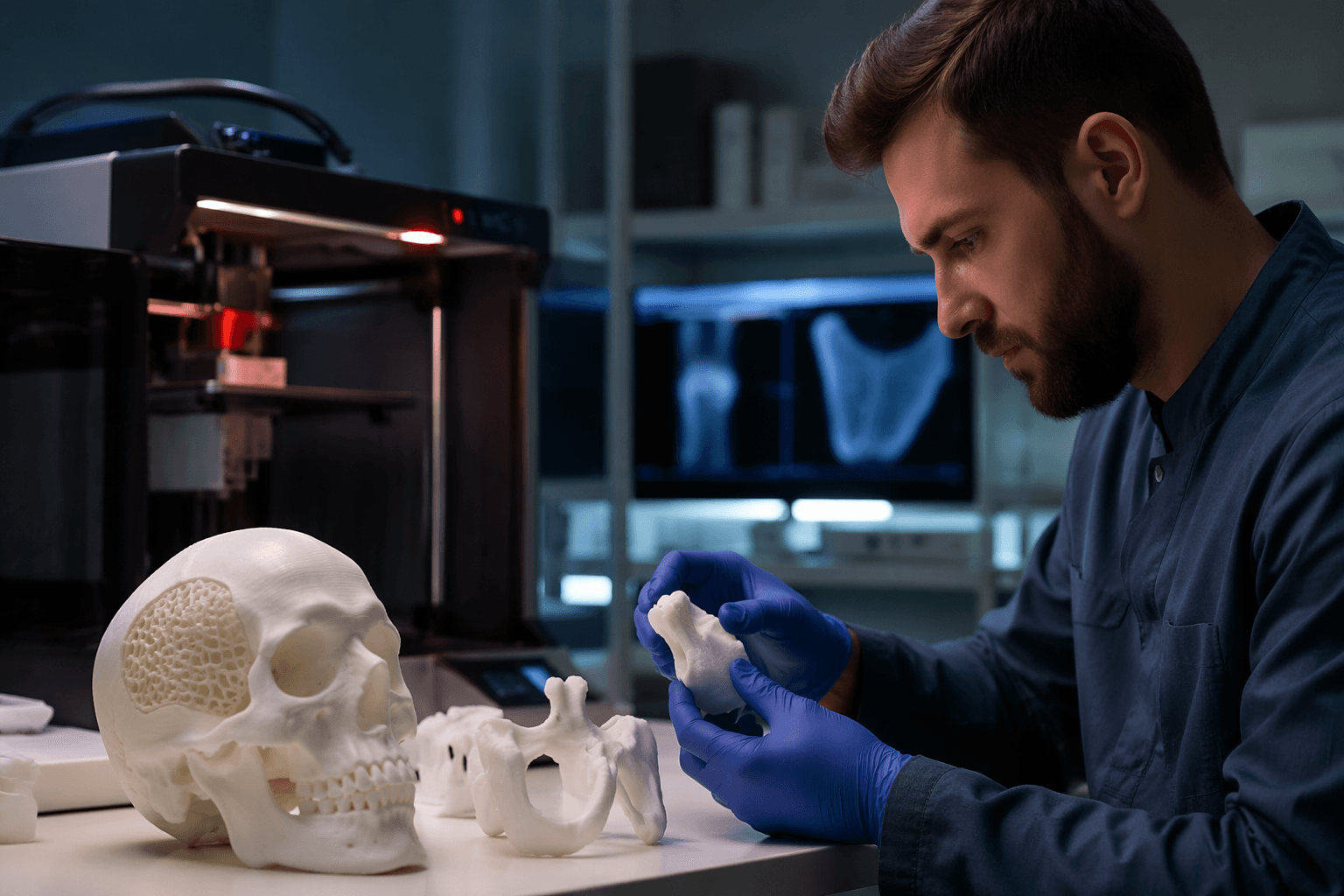
The mature side of the field is easy to spot. The U.S. Food and Drug Administration already lists orthopedic and cranial implants, surgical instruments, dental restorations such as crowns and external prosthetics as examples of 3D-printed medical devices. That matters because the real win in healthcare is not raw throughput, it is fit, repeatability and a process clean enough to survive scrutiny. The FDA also says 3D-printed devices remain subject to normal medical-device requirements, and its Technical Considerations for Additive Manufactured Medical Devices lays out the kind of testing and characterization that separate a print from a product. Its discussion paper on 3D Printing Medical Devices at the Point of Care shows how seriously the agency is taking workflows that move production closer to hospitals and doctor’s offices.
Pharmaceutical manufacturing is following a similar path. The European Medicines Agency has published Q&A guidance on 3D printing technology for solid oral dosage forms, which is a strong sign that this is no longer just a lab curiosity. The conversation has shifted toward quality control, validation and good manufacturing practice, exactly the unglamorous stuff that decides whether a process scales or stalls.
The longer-term frontier is still biofabrication. The National Institute of Biomedical Imaging and Bioengineering has highlighted life-like organ models produced 10 to 50 times faster than the industry standard, sensors printed directly onto moving organs and methods for building networks for air, blood and other fluids. Those are the kinds of advances that make future biofabricated organs sound less like science fiction and more like a very hard engineering problem.
Recent literature backs up the split. Customized implants and surgical tools are increasingly common, but scalability and regulatory approval remain sticking points. In prosthetics, the bigger shift has already happened: diagnostic socket production has changed dramatically over the past decade, which is exactly the sort of patient-specific workflow where additive manufacturing earns its keep.
That is why AMA: Healthcare 2026 reads like more than a conference announcement. It is a snapshot of a field sorting itself into what works now, what still needs validation and what will keep the research labs busy for years. The real story is not the flashy moonshot. It is the steady rise of healthcare prints that fit better, validate cleaner and move from demo shelf to production floor.
This article was produced by Prism’s automated news system from verified source data, official records, and press releases, then run through automated quality and moderation checks before publishing. The system is built and supervised by the people who set the standards it runs under. Read our full AI policy.
Did this article answer your question?