3D printing keeps finding practical gains in bike parts
Bike saddles get the spotlight, but the real wins are cheap custom parts: cable guides, mounts, adapters, and fit pieces.
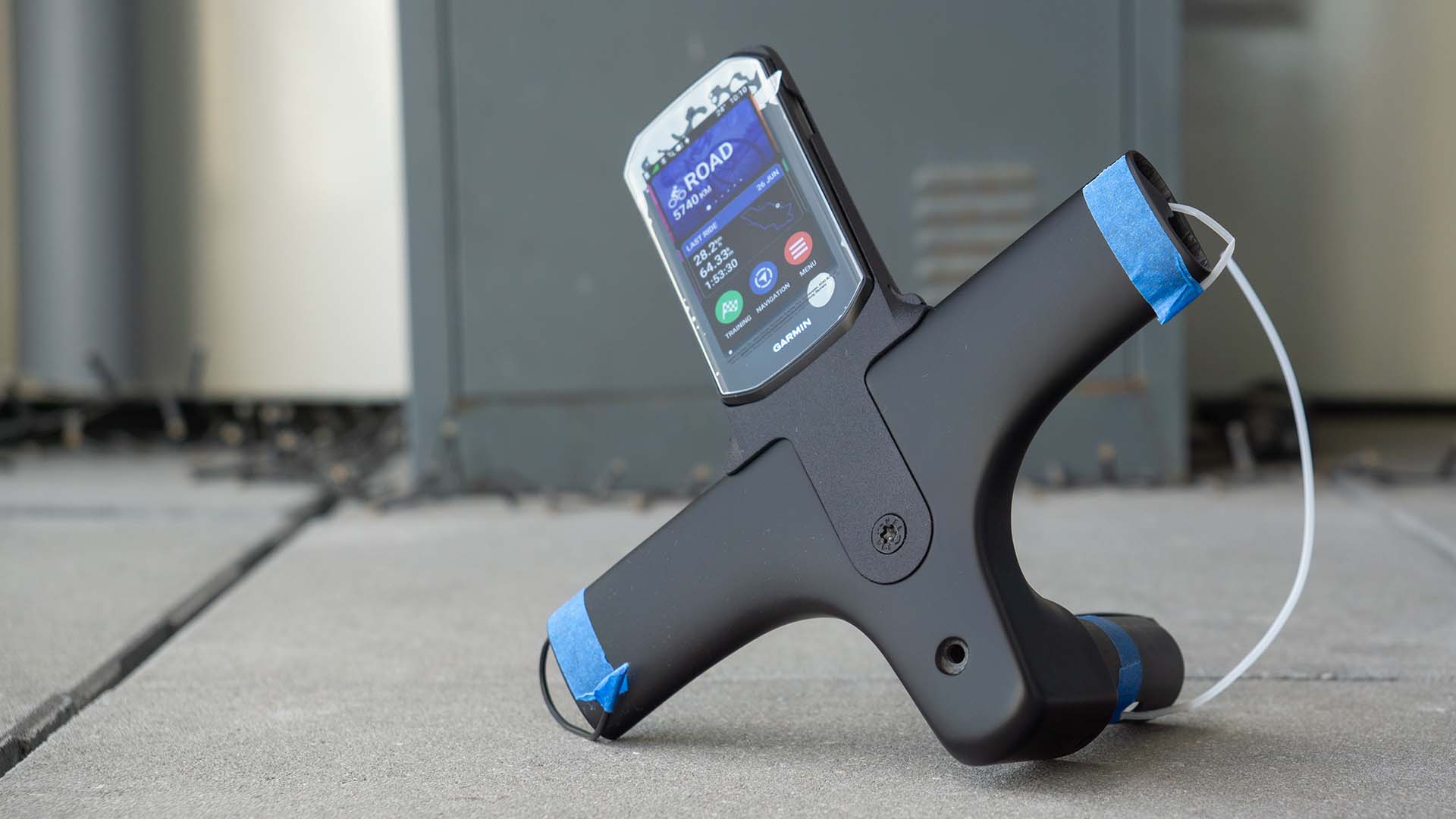
The smartest 3D-printed bike parts are rarely the flashy ones. They are the parts that solve fit, routing, and integration problems for less than a machined or molded equivalent, and that is exactly why this corner of cycling keeps making sense even when the market gets cautious. Tadej Pogačar’s bikes have already carried printed saddles and other printed accessories, which is a good reminder that additive manufacturing is no longer just a novelty bolted onto a show bike.
Where printed parts actually earn their keep
If you want the practical case for 3D printing on bikes, start with the small stuff. Printed parts work best when they replace a fiddly, low-volume component that needs to fit one frame, one cockpit, or one rider’s preference. That means cable guides, computer mounts, brackets, adapters, and comfort pieces where a few millimeters of better fit or cleaner routing matters more than brute strength.
Fairlight Cycles is a good example because it does not treat printing as a gimmick. Its current product pages show both CNC and 3D-printed cable-guide options, which tells you the technology is being used as a manufacturing choice, not a marketing flourish. The real value is in the geometry: make the part smaller, quieter, cleaner, or more adaptable, and the print starts paying for itself.
Saddles are still the flagship use case
The most successful 3D-printed application in cycling is still the saddle. That is where additive manufacturing has proven it can deliver a ride feel that is hard to copy with conventional foam and shell construction. Fizik’s Adaptive range now spans multiple 3D-printed models, including racing, endurance, and triathlon versions, so this is no longer a one-off experiment sitting at the top of a catalog.
The pricing tells its own story. Fizik’s store lists the Vento Argo 00 Adaptive at $499.99, while other Adaptive saddles sit at lower price points. That spread matters because it shows printed saddles have moved beyond a single ultra-premium tier and into a broader lineup where riders can choose between racing, comfort, and specialized use cases without leaving the technology behind.
Carbon’s role in that shift is hard to miss. The company says Specialized was an early adopter of its saddle platform, and that the S-Works Power Saddle with Mirror Technology came together twice as fast as Carbon’s normal process. Carbon and fizik also announced their first digitally printed bike saddle partnership in September 2019, which helps explain how quickly printed saddle design went from curiosity to established product category.
Fairlight shows why low-cost parts still matter
The most convincing argument for low-cost printed bike parts is not a carbon-lattice showpiece. It is a £15 cable guide. Fairlight sells a 3D-printed downtube cable guide for its Strael 4.0, Secan 3.0, and Faran 3.0 frames at that price, and the fit list makes the point clearly: this is a part intended to solve a frame-specific job without adding much cost or complexity.
The company’s Strael 4.0 design notes go even further. Its 3D-printed bottom bracket cable guide can route front and rear derailleur cables, the brake hose, and the dynamo rear light wire. That is exactly the kind of multi-function integration where printing shines, because one small custom piece can replace a mess of separate hardware and reduce the amount of clutter around the frame.
That is also why these parts appeal to people building at home. The sweet spot is not “print the whole bike.” It is “print the piece that makes the bike cleaner, more specific, or easier to live with.” In a world where bikes are expensive and frame standards keep multiplying, that is a meaningful win.
Where printed parts stop being a smart substitute
The line is drawn by physics, not hype. Once a part is carrying heavy load, living near heat, flexing constantly, or protecting you in a crash, the bargain changes fast. A printed accessory can be brilliant at holding a computer or guiding a cable; it is a much worse idea when it is asked to replace a conventional component that sees serious stress or safety-critical impact.
That is why the practical split matters so much. Fit pieces, routing hardware, comfort accessories, and prototype parts live comfortably on the safe side of the line. Load-bearing, fatigue-sensitive, and crash-exposed parts do not. The best builders use printing to solve the former and leave the latter to materials and processes that are already proven.
The bigger signal for bike builders
Pogačar’s printed saddle in 2023 and the added printed accessories on his Tour bike tell you this tech is now part of the marginal-gains playbook, not just a gimmick for trade-show stands. When elite bikes are using printed parts for targeted performance and brands like Fizik, Carbon, and Specialized keep investing in the category, the case for small-scale practical printing gets stronger, not weaker.
That is the real shape of 3D printing in bikes right now. It is not about replacing everything on the bike. It is about making the right small part, in the right place, for the right job, and letting that invisible little piece do the work that expensive hardware used to handle less elegantly.
This article was produced by Prism’s automated news system from verified source data, official records, and press releases, then run through automated quality and moderation checks before publishing. The system is built and supervised by the people who set the standards it runs under. Read our full AI policy.
Did this article answer your question?