3D Printing Stock Valuations Reveal Which Brands Hobbyists Should Watch
Massivit's stock jumped 77% and Velo3D's surged 40% last week, but every brand crushing it is selling to militaries, not makers — and the printers on your desk are barely in the picture.
The week ending April 5 produced some of the most dramatic single-week swings the 3D printing stock leaderboard has seen in months, with gains running as high as 77%. If you follow any of those names closely, you might feel optimistic about the industry's direction. The catch: not one of the week's big winners sells a printer you'd find in a garage studio or makerspace. Every surge was driven by military contracts and defense spending, and that gap between Wall Street's enthusiasm and the desktop 3D printing world you actually live in is exactly what deserves your attention.
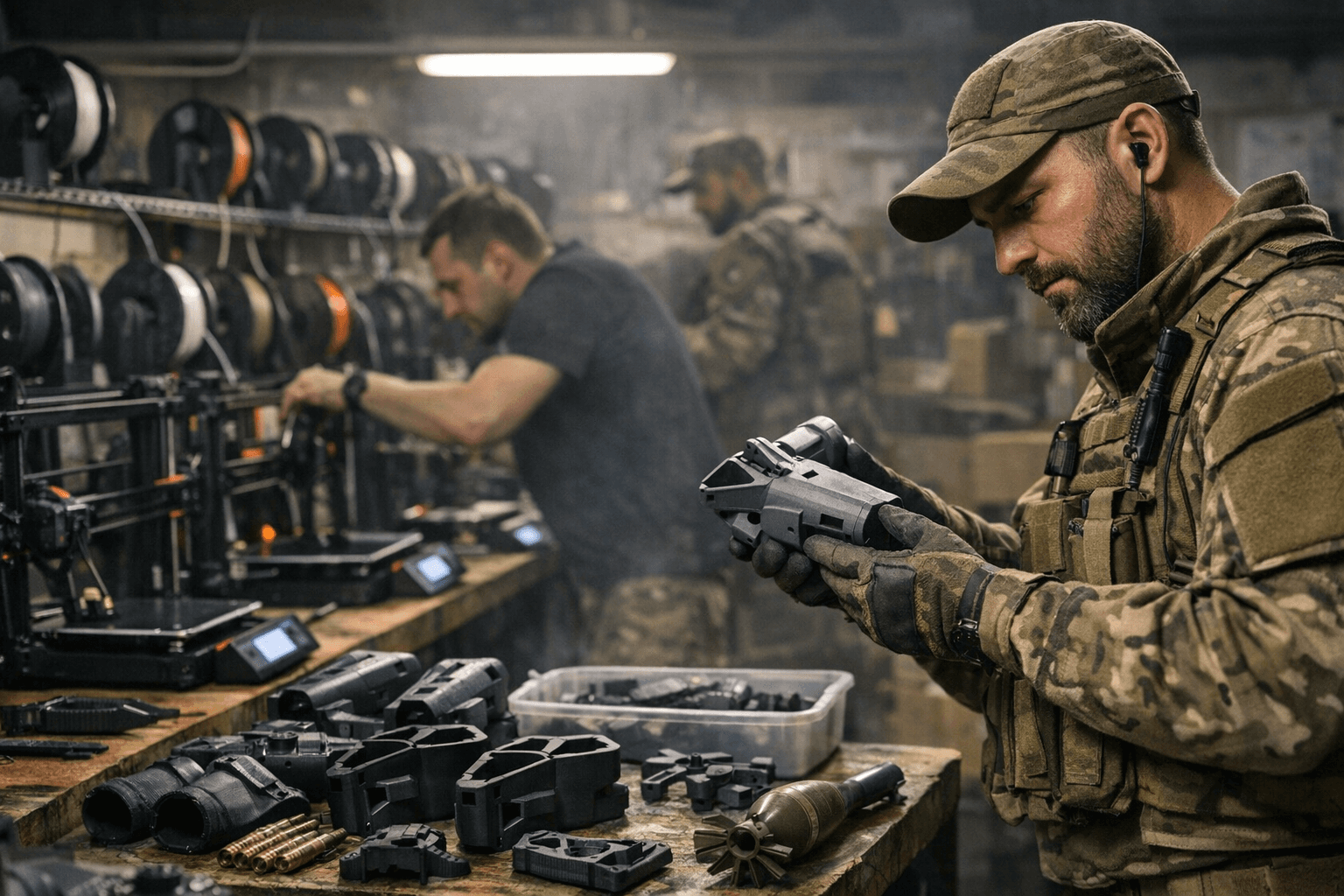
Massivit led the week with a 77% valuation jump, almost certainly tied to the company's recent pivot toward military applications and the speculative momentum that kind of positioning attracts as global defense budgets grow. Aurora Labs, an Australian metal printing manufacturer that recently appointed a retired Major General to its board, climbed 15%. AML3D rose nearly 11% after completing the final commissioning of its large-scale ARCEMY X metal system for FasTech, a U.S. military supplier, triggering a final payment that visibly pleased investors. Velo3D surged 40% following the release of improved financials and a new CFO appointment, though context matters: the company was worth significantly more just a month earlier, so much of that bounce was value restoration rather than new ground gained. Xometry added nearly 13%, clawing back similarly from a softer stretch with no single announcement driving it.
None of those companies make the printers most hobbyists are printing on. The brands that actually shape your daily workflow, Bambu Lab, Prusa, Formlabs, EOS, Carbon, remain privately held and invisible to this kind of weekly market scrutiny. That opacity cuts both ways. Their finances can't be gamed by speculative investors chasing a defense narrative, but you also get no early warning when a private company quietly shrinks its firmware team, shelves an accessory line, or decides a product variant isn't worth the support cost. The only signal available is lagging: an update cadence that slows, a support ticket that goes unanswered longer than it used to, a spare part that quietly goes out of stock.
The one consumer-adjacent development to watch closely is Creality's pending filing to trade on the Hong Kong exchange. Creality is among the most widely used desktop printer brands worldwide, and a public listing would, for the first time, make its financial health legible to anyone willing to read a quarterly report. That transparency could be enormously useful for the maker community, or it could reveal pressures that explain decisions the company has never had to justify publicly.
Fabbaloo's Kerry Stevenson notes that investor interest in 3D printing as an asset class remains depressed following multiple high-profile failures in recent years, which is why the leaderboard has seen almost no new entrants. A shrinking pool of publicly traded companies means fewer early-warning signals for the broader ecosystem.
So what does the military money-chase actually mean for your setup? Watch for these: firmware update frequency dropping without explanation (suggests headcount cuts); support forums going quiet from official responders (same); accessories or filament SKUs disappearing from a brand's own store (signals portfolio rationalization); and any language in a company's communications about "focusing on core markets" (translation: your segment may not be core). Recurring cloud dependencies, particularly for slicing profiles, print queues, or remote monitoring features, deserve extra scrutiny. If a service requires a live account login to function and the company's finances are uncertain, that's a dependency worth auditing now rather than after a sunset notice.
The practical hedge is already well-documented in this community: Klipper, OrcaSlicer, and local network print management keep your workflow running regardless of vendor status. Stockpiling a printer's known-failure consumables, hot ends, drive gears, bed surfaces, takes on new logic when you treat a valuation chart as a parts-availability forecast. Open profiles and community-maintained firmware forks have historically filled the gap every time a company retreated; the question is whether you're prepared before the retreat or scrambling after it.
Know something we missed? Have a correction or additional information?
Submit a Tip