3DPrint.com news briefs (March 28, 2026): TCT Asia highlights, Farsoon's new metal systems, WAAM3D distribution, and an FDA clearance
Farsoon's new FS812M-U cuts its floor footprint by 41% while stretching build height to 1,700mm, the headline reveal from TCT Asia that matters most to metal PBF shops.
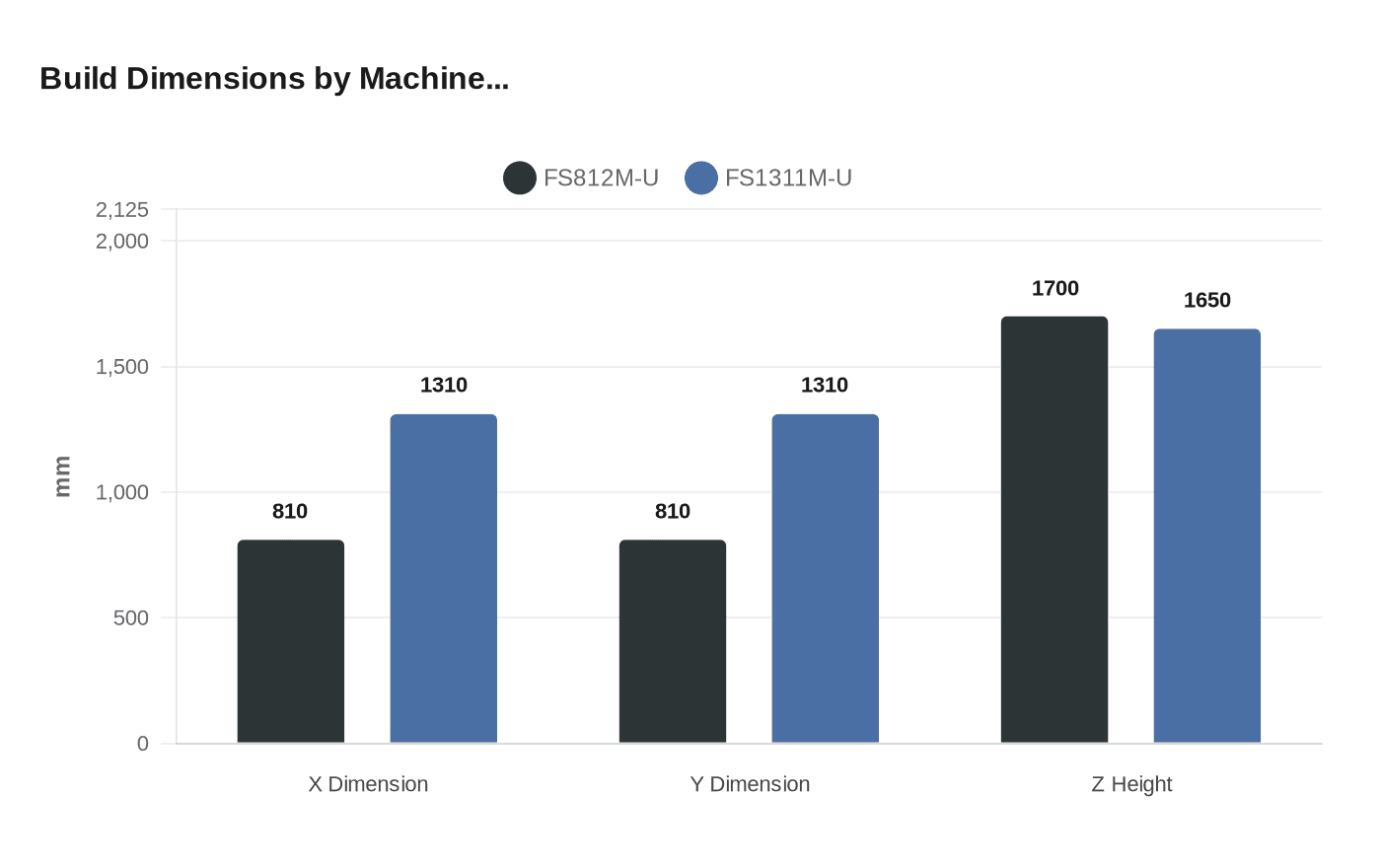
Farsoon's engineers pulled off something counterintuitive with the FS812M-U: the machine got smaller on the outside while getting taller on the inside. Unveiled at TCT Asia 2026 last week, the new 800-series successor cut its physical footprint by 41% compared to its predecessor while extending build height to 1,700mm, keeping the 810 x 810mm XY build area intact. The result is a system that occupies significantly less factory floor space than the machine it replaces but can produce parts nearly 1.7 meters tall in a single build.
That 41% figure carries real weight in a sector where large-format metal systems are notorious space hogs. The 800-series platform has been in commercial deployment since 2021, with more than 40 units already running in production environments, which means there is an established base of operators who will be weighing whether the upgrade math works for their floor plans and throughput targets. The FS812M-U ships in 8 or 10 laser configurations and includes a multi-layer gas flow field with dual-layer slits, along with MES connectivity, a closed-loop powder circulation system, and a three-station design that allows parallel operations to keep utilization high between builds. Smart scanning strategies and front-and-rear access doors round out what Farsoon positioned as a machine designed as much around total cost of operation as it is around raw print capability.
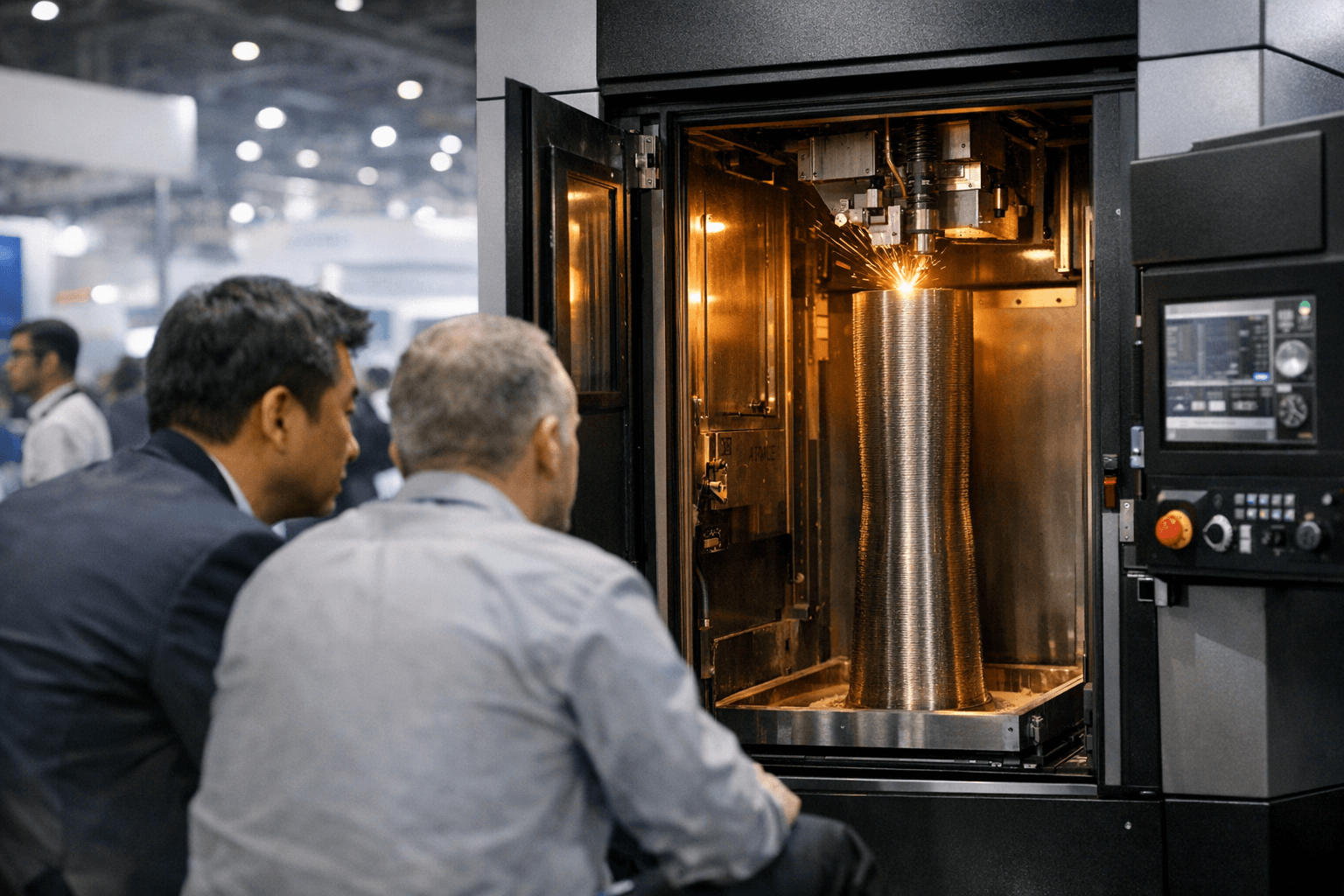
The second reveal at TCT Asia operated at a completely different scale. The FS1311M-U carries a 1,310 x 1,310 x 1,650mm build volume and a 16-laser configuration aimed squarely at the aerospace, automotive, and energy sectors, where the ability to print meter-scale components as single integrated pieces, rather than fabricating and joining multiple parts, removes weld joints that add weight and introduce failure points. Optional beam shaping technology, which Farsoon described as enabling wider scan spacing, thicker layers, and faster scanning speeds, drives claimed build rates of up to 1,440 cm³/h for Ti-6Al-4V at 150 micron layer thickness. For context, that build rate puts the FS1311M-U in the conversation among the more productive large-format PBF platforms on the market, if those figures hold under production conditions rather than benchmark runs. The system also carries intelligent recoating, permanent filtration for extended unattended operation, and its own MES connectivity for integration into factory workflows.
Both machines arrived at TCT Asia alongside a separate announcement in which Farsoon expanded its compatible powder and polymer materials portfolio, a detail worth tracking separately: Farsoon's open materials ecosystem has long been a competitive differentiator that gives service bureaus and production shops more flexibility than closed-platform competitors allow, and adding to that library strengthens the argument for each new hardware launch.
In the same stretch of the week, French distributor MULTISTATION SAS signed an exclusive distribution agreement with British WAAM manufacturer WAAM3D for large-component wire arc additive manufacturing, and IMPLANET received FDA clearance for its Swingo anterior cervical cage, the company's 3D printed spinal implant product, marking another step forward for AM in regulated medical device pathways.
The FS812M-U's footprint-to-build-volume ratio is the kind of engineering trade-off the metal PBF community will be stress-testing against real facility constraints well into 2026. With 40-plus 800-series machines already in service, the installed base practically guarantees the conversation is going to be loud.
This article was produced by Prism’s automated news system from verified source data, official records, and press releases, then run through automated quality and moderation checks before publishing. The system is built and supervised by the people who set the standards it runs under. Read our full AI policy.
Did this article answer your question?