$42 Desktop 3D Printer Sets New Record Low Price for Hobbyists
A brandless desktop FFF printer listed at $42, down from $107, prints at a glacial 10-40mm/s into a 100 x 100 x 100mm cube — and may need a tethered laptop to run.
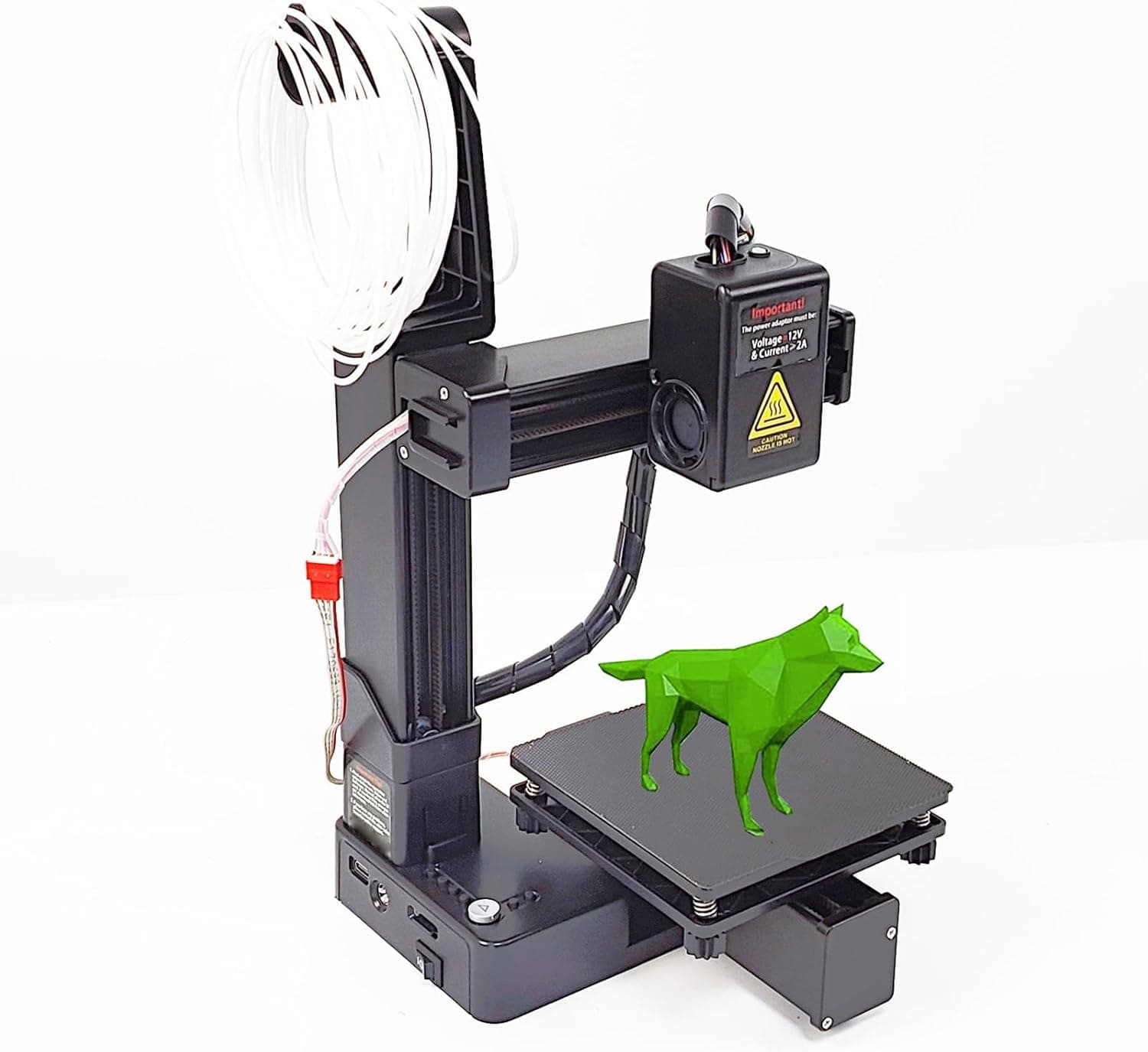
A desktop FFF printer is now listed on the aggregator SaveNesting at just US$42, and it has pushed the floor of what a desktop machine can cost to a place the community has never seen before. The machine, sold under the listing name "Frequency Division Multiplexing 3D Printer" by a vendor with no stated brand, was marked down from US$107 to its current price of US$42. Fabbaloo's Kerry Stevenson flagged the listing last week, framing it as the latest extreme in the long-running "race to the bottom" on desktop printer pricing.
The context makes that framing hit hard. Desktop 3D printer pricing has been falling steadily since the machines were introduced in 2009, when a typical machine cost around US$2,000. Today, open gantry-style FFF systems sit in the US$200 range, while enclosed CoreXY machines run US$400 and more. The previous low-water mark for a full-size open gantry machine was US$150. This listing obliterates it.
The trade-offs that got the price to $42 are significant. The machine is very small, with a build volume of only 100 x 100 x 100mm, tinier than even some resin systems. The hotend tops out at 230°C, which makes anything beyond PLA unlikely, though TPU is claimed to be supported. Print speed is listed as 10-40mm/s, which is glacially slow compared to the 300-600mm/s typical of modern machines, with some speedsters exceeding 1,000mm/s.
Then there is the control panel situation, or rather the complete absence of one. The listing spec sheet confirms connectivity via memory card and USB cable, with slicing software listed as Easyware, CURA, and "Simplify3DExtruder." Stevenson noted that no controller is actually mentioned anywhere in the listing, raising the possibility that the machine must be driven entirely from a connected computer over USB, streaming G-code in real time. That workflow, as Stevenson described it, is how desktop 3D printing was done "in prehistoric times," when shutting your laptop meant killing the print.
No manufacturer name appears on the listing, leaving the machine's origin genuinely unknown. Stevenson was direct about it: the product "seems entirely questionable" and he would not recommend buying one, though he acknowledged it was worth examining what cost-cutting strategies got it to this price point.
The one feature that stands out from the stripped-down spec sheet is a removable magnetic print plate, which the listing implies is PEI-coated. That is a genuine modern convenience on a machine that otherwise reads like a time capsule. No safety certifications, no brand accountability, and no clear path to customer support are the obvious gaps for anyone considering a purchase. At $42, the price-to-risk calculation is one every buyer has to make for themselves, but the machine's existence alone marks a new chapter in just how low the floor can go.
This article was produced by Prism’s automated news system from verified source data, official records, and press releases, then run through automated quality and moderation checks before publishing. The system is built and supervised by the people who set the standards it runs under. Read our full AI policy.
Did this article answer your question?