Additive manufacturing shifts to production hires as salaries rise
The Alexander Daniels survey found AM moving from R&D toward production hiring, with software salaries surging and North America leading pay growth in 2025.
The 10th annual Alexander Daniels Global Additive Manufacturing Salary Survey, published January 13, 2026, shows the AM sector pivoting from heavy R&D hiring toward operational maturity. About 75% of companies now plan hires in production, signaling a broad move from prototype-focused teams to staffed production floors and support functions that keep printers running day-to-day.
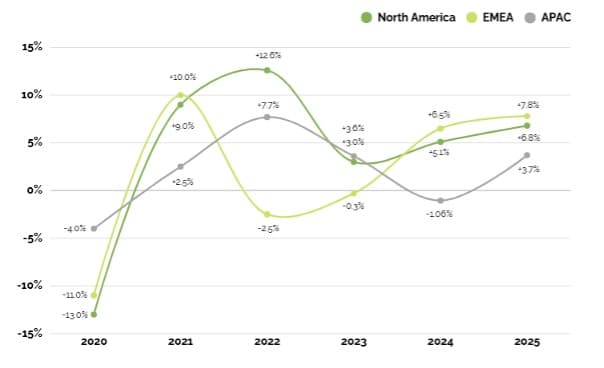
Salary movement reinforces the trend. North America led pay increases in 2025 with roughly 7.8% growth, while software roles recorded the strongest global salary rise at about +16%. The survey highlights growing demand for production technicians, process engineers, and applications or consulting roles, and includes expanded benchmarks specifically for production and operations jobs plus detailed regional breakdowns that teams can use for compensation planning.
For the 3D printing community this is a practical turning point. Firms scaling additive processes now need technicians versed in machine maintenance, post-processing, and quality control, as well as process engineers who can lock in repeatable workflows, materials qualification, and statistical process control. The outsized increases in software pay reflect that expertise in slicers, CAM toolchains, systems integration, MES/ERP connectivity, and automation is becoming a premium skillset as manufacturers embed AM into serial production.
The survey also shows a shift in candidate priorities. Beyond base pay, professionals increasingly value clear career progression, job stability, and the quality of leadership. Employers competing for talent will need to offer visible paths from operator to lead technician to engineering roles, plus training budgets and on-the-job mentoring to retain staff. Expanded benchmarks in the report give hiring managers concrete comparators for crafting competitive packages across regions and roles.
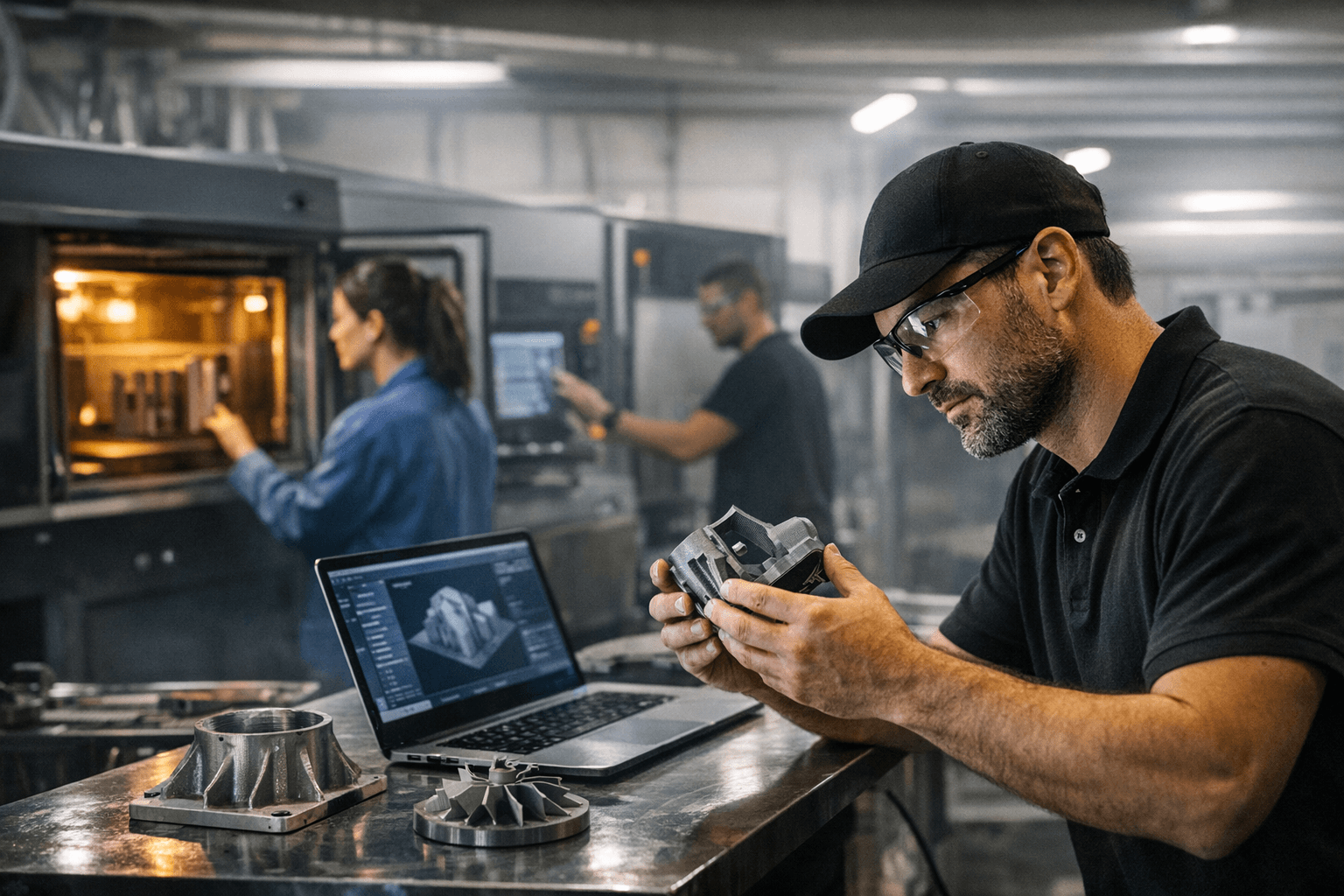
What this means day-to-day: hiring teams should reframe job descriptions around production throughput, yields, and uptime rather than lab projects. Technicians and engineers can capitalize by sharpening software and process control skills, documenting reproducible setups, and pursuing cross-training in materials and post-processing. Facilities planning should prioritize operator ergonomics, spare-part inventories, and workflow documentation to support increased headcount on the floor.
The momentum toward production-ready AM is likely to continue as companies chase scale and predictability. Use the new benchmarks to test compensation offers, invest in software and process training, and map clear career ladders, those moves will matter as the industry shifts from tinkering to turning parts at volume.
Know something we missed? Have a correction or additional information?
Submit a Tip