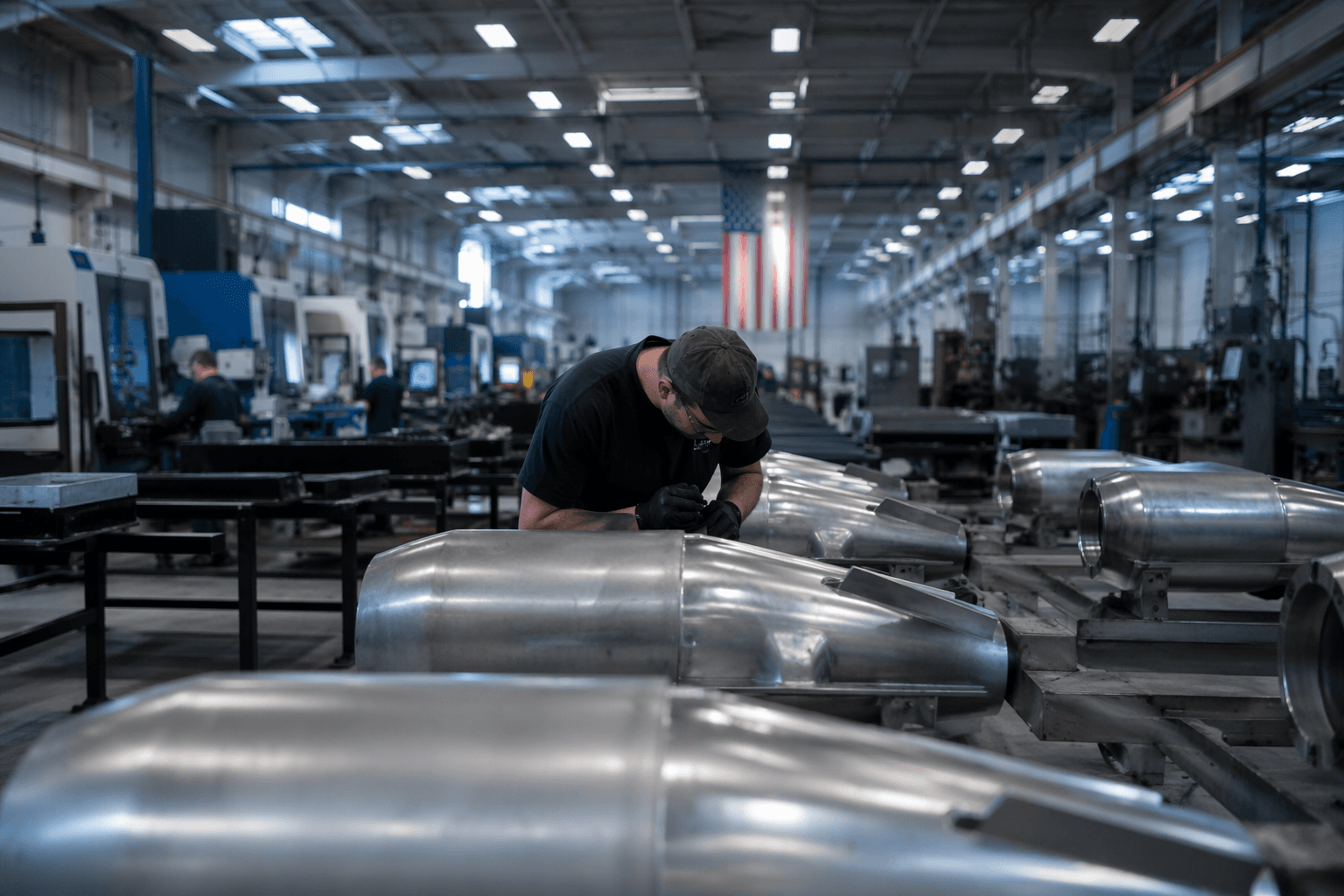
Agnikul Cosmos Hot-Fires World's Largest Single-Piece 3D Printed Rocket Engine
Agnikul Cosmos hot-fired Agnite, a 1-meter Inconel engine printed as a single piece with no welds or joints, slashing engine build time from seven months to seven days.
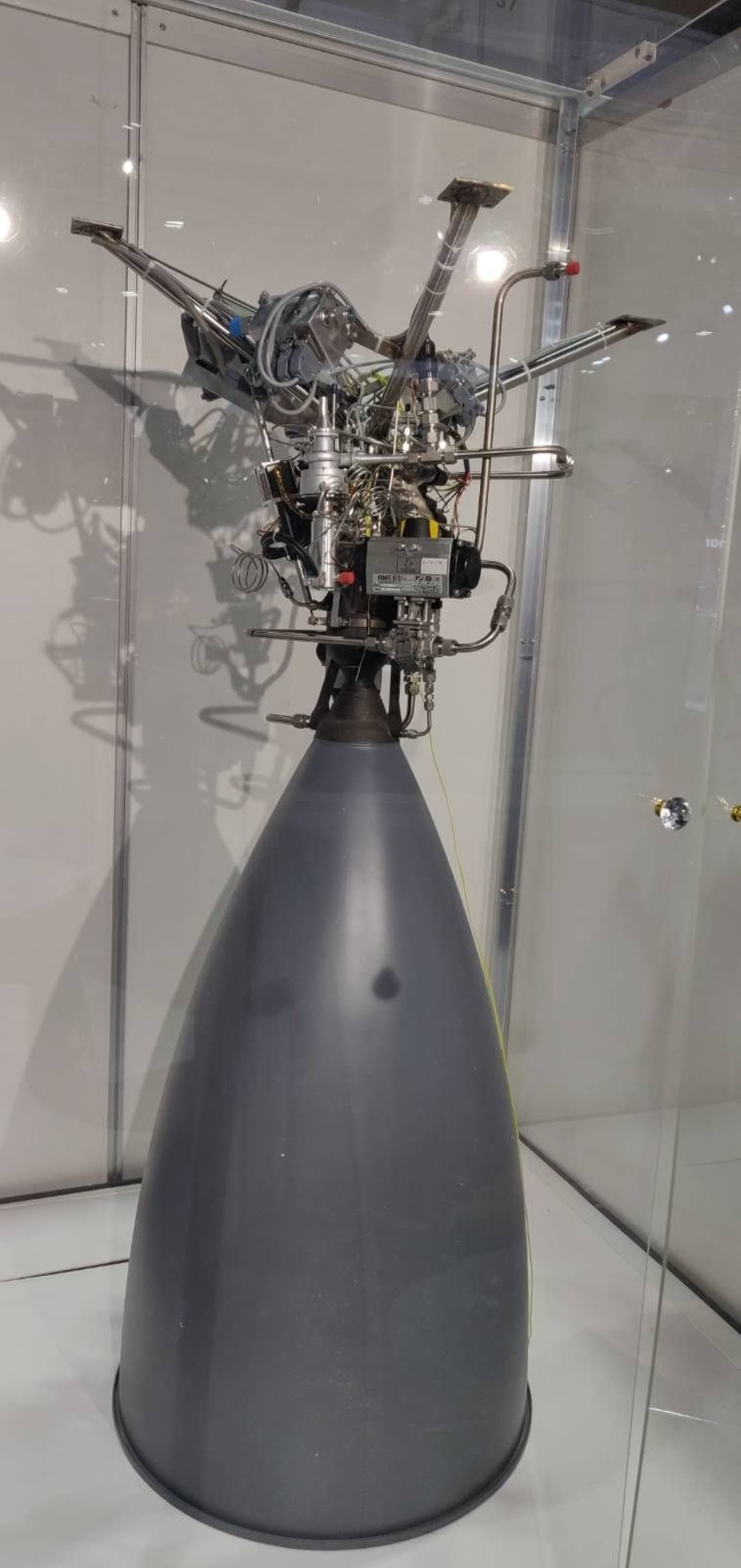
Chennai-based Agnikul Cosmos successfully test-fired Agnite, its booster engine and the world's largest rocket engine built as a single 3D-printed piece. The engine stretches a full meter in length, with no welds, no joints, and no fasteners from fuel entry to plume exit.
The Agnite engine is constructed entirely from Inconel, a high-performance nickel-based superalloy known for its ability to withstand extreme temperatures and pressures. It is also the first engine of its scale to be tested with electric motor-driven pumps, replacing the conventional turbomachinery that has defined rocket propulsion for decades. Conventional engines use turbopumps to feed rocket fuel, essentially super-fast gas-powered turbines. Agnikul has replaced these turbopumps with electric motors developed in-house.
The manufacturing story is where the real disruption lives. "Unlike traditional engines that take seven months to manufacture, Agnikul's engines can be fully 3D printed in just seven days. This dramatically reduces production complexity, turnaround time, and costs. The costs will be one-tenth of what they are now," said Moin SPM, co-founder and COO of Agnikul Cosmos. CEO Srinath Ravichandran framed the design choices as a direct response to customer pain points: "We chose single-piece Inconel construction and electric pump architecture specifically to solve our customers' schedule problem and enhance automation of engine making. Traditional engines take months to build because you're machining, welding, and assembling dozens of parts. Ours prints in a few days, which means we can respond to launch demand faster than the industry standard."
The manufacturing capabilities behind Agnite are powered by the Large Format Additive Metal Manufacturing (LFAMM) facility, which was inaugurated last year and enables the production of large-scale 3D-printed metal components. The hot-fire was validated at Agnikul's in-house test facility in Chennai.
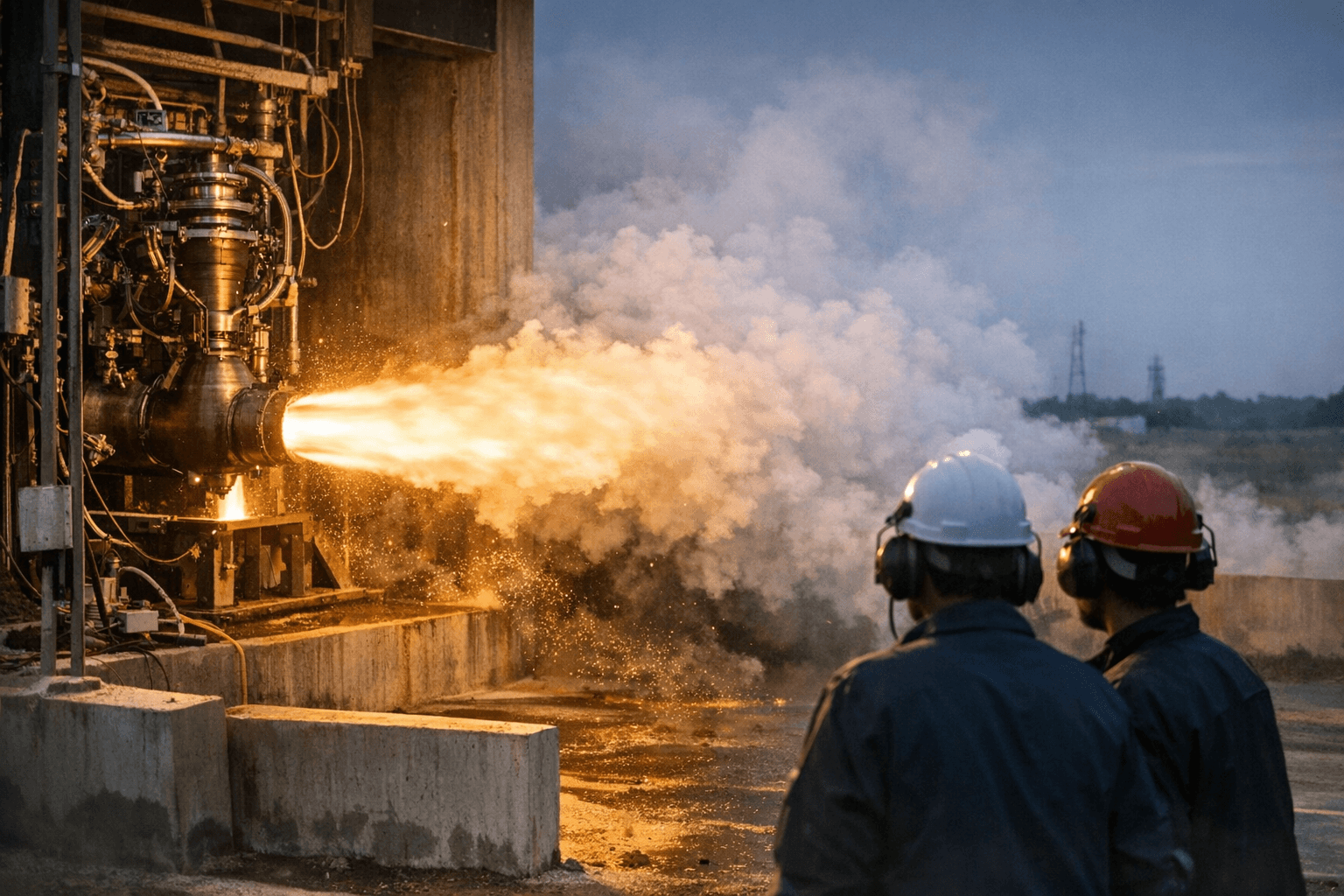
Agnite is not a standalone experiment. It is designed to power the booster stage of Agnibaan, Agnikul's upcoming orbital launch vehicle. The startup aims to develop and launch Agnibaan, capable of placing 100 kg payload into a 700 km orbit. The Agnite test follows a clustered engine firing last month in which Agnikul test-fired three semicryogenic engines simultaneously, the first such synchronised test in India.
Ravichandran added that the electric pump design also supports the company's reusability plans. "This engine test validates that our propulsion systems are ready to operate at the scale required for multiple launches per quarter. Our manufacturing capabilities are enabling us to produce engines in line with customer demand, rather than limiting it. With propulsion now largely de-risked, our focus is firmly on execution and demonstrating consistent launch cadence and mission reliability," added Moin SPM.
Agnikul plans static fires with the full Agnibaan first stage by mid-2026, followed by maiden orbital attempts. For the 3D printing community, Agnite is a reminder that the most consequential additive manufacturing happening right now isn't on a desktop or even in a factory showroom — it's on a test stand in Chennai, firing at orbital ambitions.
This article was produced by Prism’s automated news system from verified source data, official records, and press releases, then run through automated quality and moderation checks before publishing. The system is built and supervised by the people who set the standards it runs under. Read our full AI policy.
Did this article answer your question?