Ampera unveils 3D-printed thorium reactor module for AI data centers
Ampera showed off a full-scale, 3D-printed thorium reactor module for AI data centers, pitching up to 30 MWe from a subcritical gyroid core.
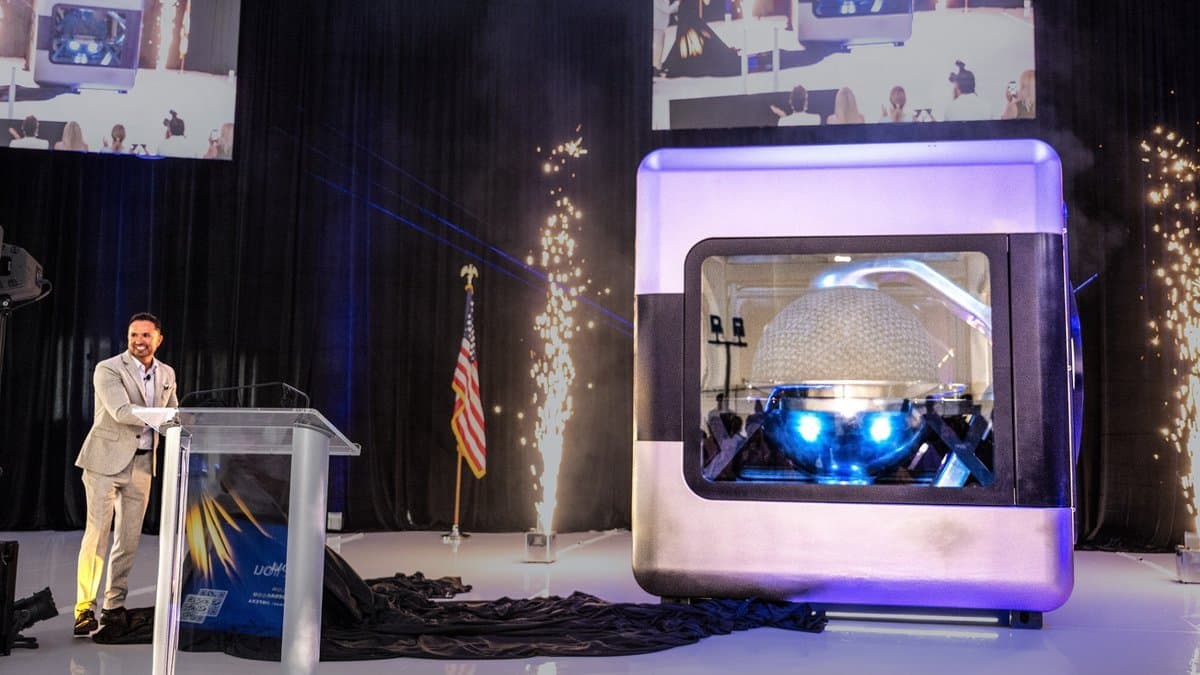
Ampera unveiled a full-scale, 3D-printed nuclear reactor module at its Florida innovation center, putting a thorium microreactor pitch directly in front of the AI data-center market. The Florida-based startup says the unit is meant to help meet the power demand from fast-growing AI infrastructure.
The company’s design is being described as a subcritical thorium microreactor capable of delivering up to 30 MWe for as long as 30 years. One report called it a subcritical gyroid design, meaning the core would shut down if the neutron supply is cut rather than continuing on its own. That detail matters for the 3D printing crowd because the headline is not just “a reactor got printed,” but that additive manufacturing is being used to shape a highly complex internal geometry that would be difficult to machine conventionally.
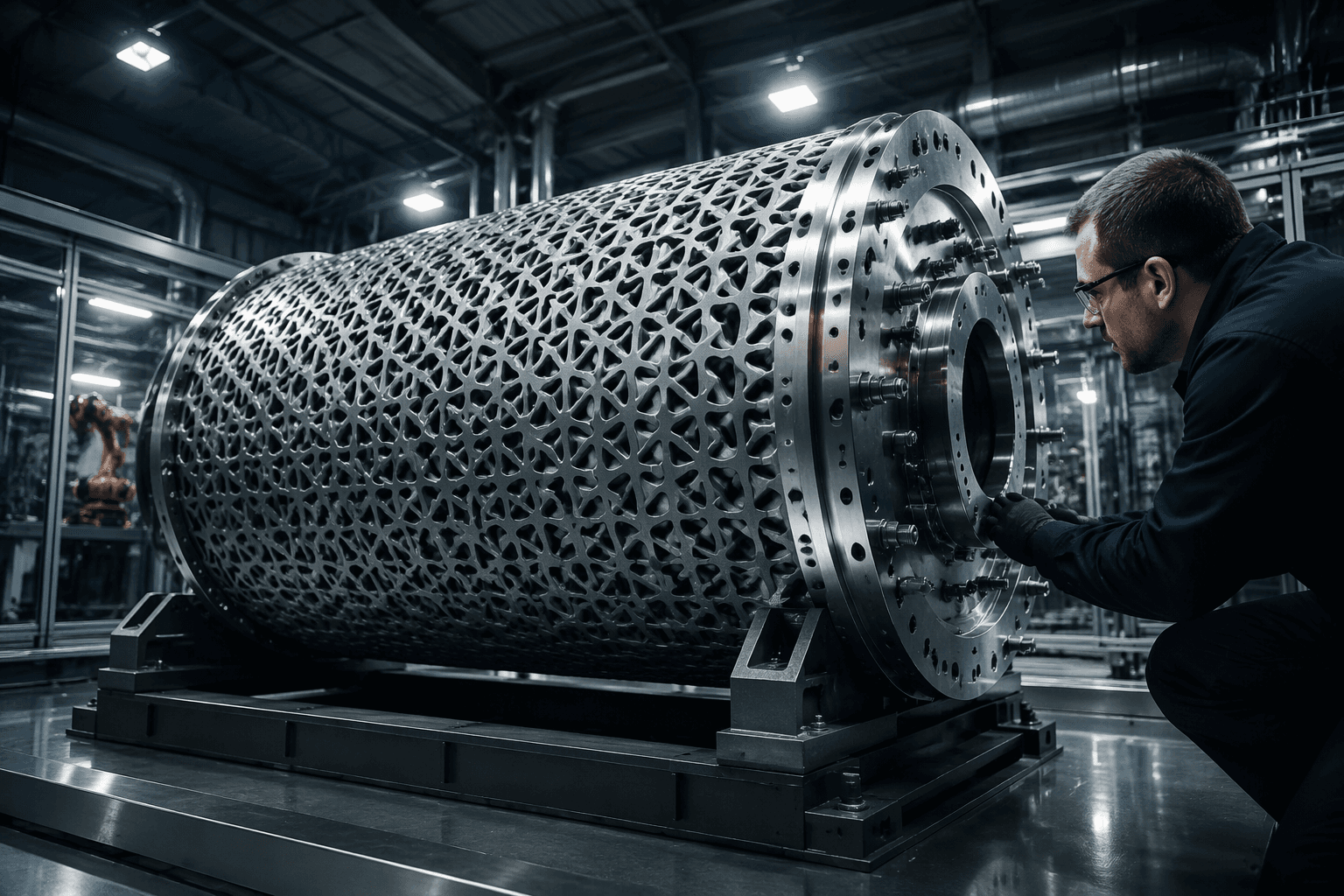
Ampera is also being linked to support from a Fortune 500 technology leader in artificial intelligence, cloud, and data center infrastructure, which explains why the company is framing the module as an answer to data-center power appetite rather than as a generic nuclear demonstration. The pitch sits squarely in the current wave of interest in small modular reactors and microreactors for industrial loads, where the value proposition usually comes down to compact footprints, factory-built assemblies, and fewer installed parts.
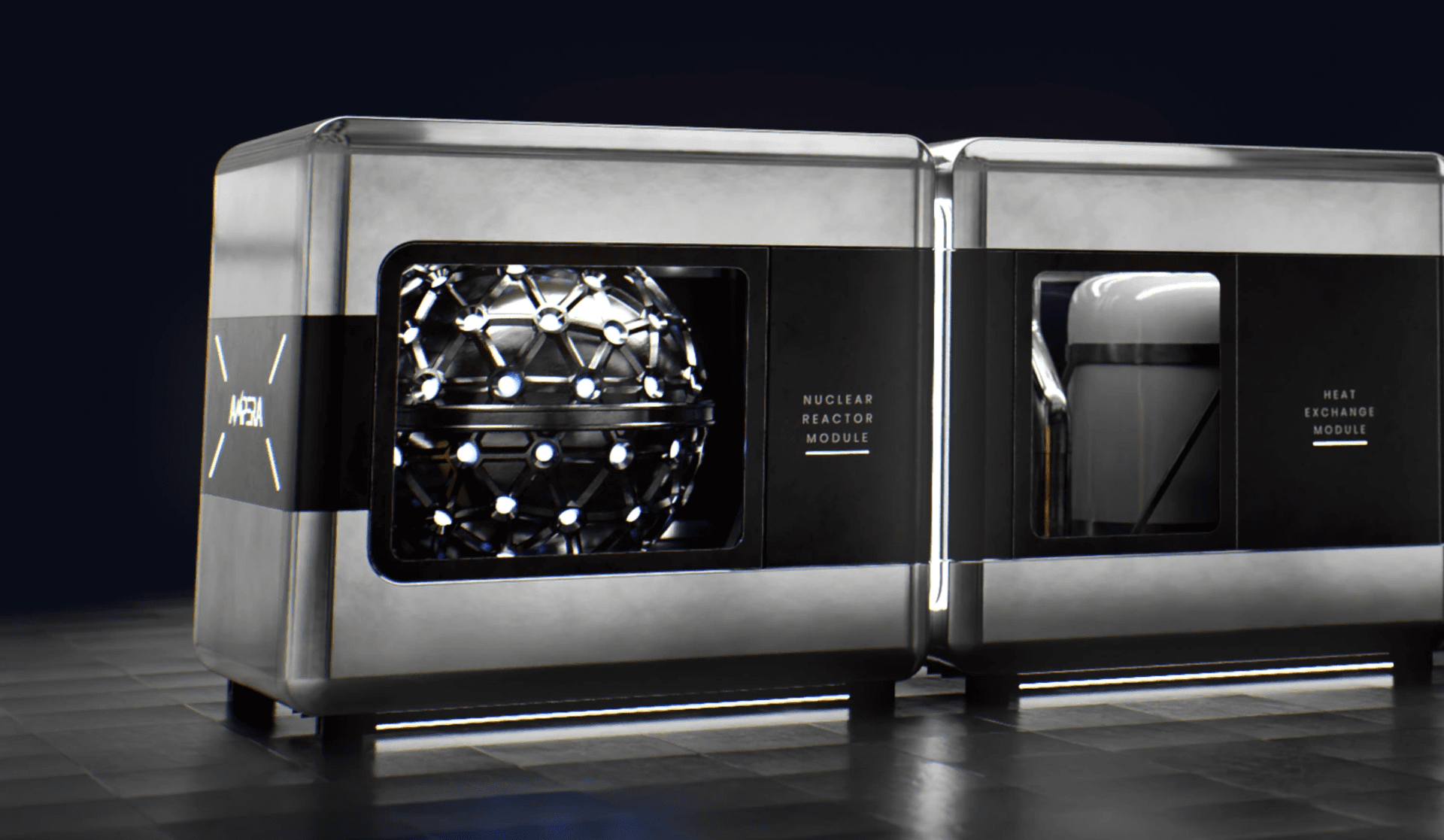
For additive manufacturing, the practical lesson is narrower than the hype suggests. The interesting part is not that this resembles a desktop printer story, because it does not. The relevant takeaway is that nuclear hardware is now being sold around geometry freedom, part consolidation, and materials engineering, with one report noting a 3D-printed module and others pointing to the way a gyroid-style core can be adapted for a very specific thermal and neutron environment. That is a workflow problem as much as an energy one.
Deployment still depends on Nuclear Regulatory Commission approval, so the module is not a drop-in power source yet. The International Atomic Energy Agency has kept thorium in the research conversation for years, including a 2023 Bulletin discussion of its benefits and open questions, which makes Ampera’s announcement part of a long-running industrial experiment rather than a settled breakthrough. For now, the most concrete signal is that 3D printing has moved from prototyping plastic parts to being used as the selling point for a nuclear module aimed at AI loads.
This article was produced by Prism’s automated news system from verified source data, official records, and press releases, then run through automated quality and moderation checks before publishing. The system is built and supervised by the people who set the standards it runs under. Read our full AI policy.
Did this article answer your question?