Libraries worldwide top 800 3D printers, expanding public access
Libraries now list more than 800 3D printers worldwide, and many are still the cheapest way to try printing before buying one.
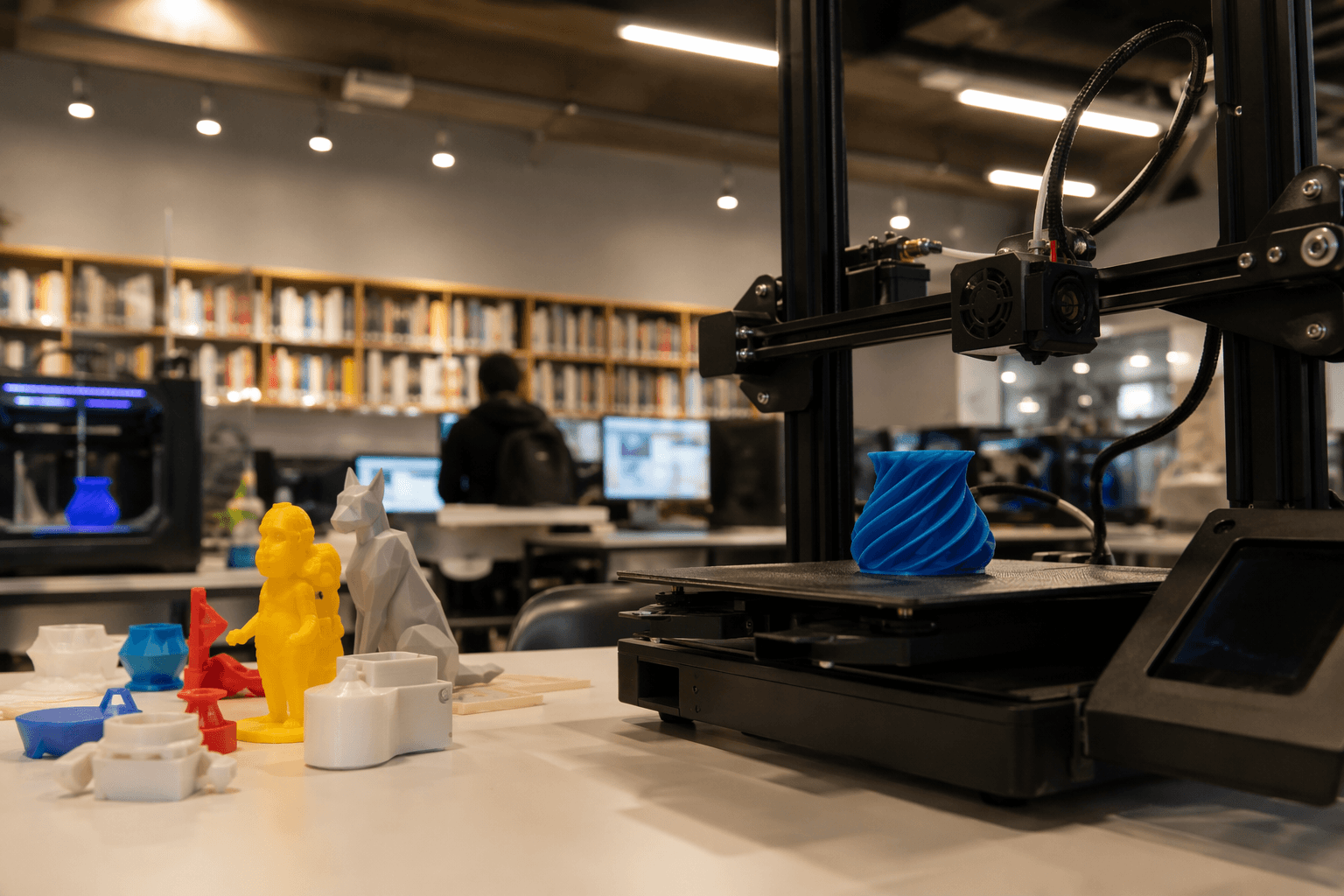
Libraries worldwide now list more than 800 3D printers on the Global Map of 3D Printing in Libraries, and that makes the public library one of the easiest places to test the hobby before buying hardware. For new makers, the value is practical: a card, a booking slot and a staffed machine can get you from CAD file to first print without the upfront cost of a printer at home.
Amanda L. Goodman founded the map on Jan. 9, 2015, when the American Library Association was already describing public-library 3D printing as a small but rapidly growing service at about 250 locations. By December 2015, ALA said public libraries had 428 branches offering the service, and in the same period it called libraries the leading place where the public accessed 3D printers. The current tally on the map pushes the total past 800, and because the project is user-maintained, the real number may be even higher.
That growth has been matched by policy. ALA says libraries offering 3D printers should use written rules that spell out who can use them, what fees apply, what training is required and what is off-limits, including illegal activity. Those policy concerns were already in view in 2014, when ALA’s Office for Information Technology Policy and Office for Intellectual Freedom were being pushed to set standards around the new service.
The public access model is not one-size-fits-all. Cincinnati and Hamilton County Public Library lists two printers, an Ultimaker 2+ and an Ultimaker 3. Pikes Peak Library District requires users to be “badged” before they can print, while Hastings Public Library says only library staff operate the printer. Material choices are often narrow as well. Communipaw Makerspace prints only in PLA, limits each resident to one file per week and caps estimated print time at no more than four hours.
Cost is where libraries start to look like a true on-ramp. The Metropolitan Library System’s makerspace reservations are free, can be booked up to two hours at a time and up to seven days in advance, with a 30-minute minimum. Aurora Public Library District allows one one-hour reservation per customer or group each day, and reservations are not required. Thousand Oaks Library charges $1 per request per file plus $0.05 per gram of filament. ALA’s practical guidance also notes that PLA and ABS are the usual materials, with a few exceptions on higher-end printers.
The 800-printer mark matters because it puts real equipment within reach of people who want to learn the workflow first. In many libraries, the first print no longer starts with a purchase button. It starts with a library card, a policy sheet and a slicer window.
This article was produced by Prism’s automated news system from verified source data, official records, and press releases, then run through automated quality and moderation checks before publishing. The system is built and supervised by the people who set the standards it runs under. Read our full AI policy.
Did this article answer your question?