Skyroot’s Vikram-1 reaches orbit with 3D-printed rocket engines
Skyroot’s Vikram-1 reached orbit with a 3D-printed fourth-stage engine module, showing how additive can cut mass and part count even in launch hardware.
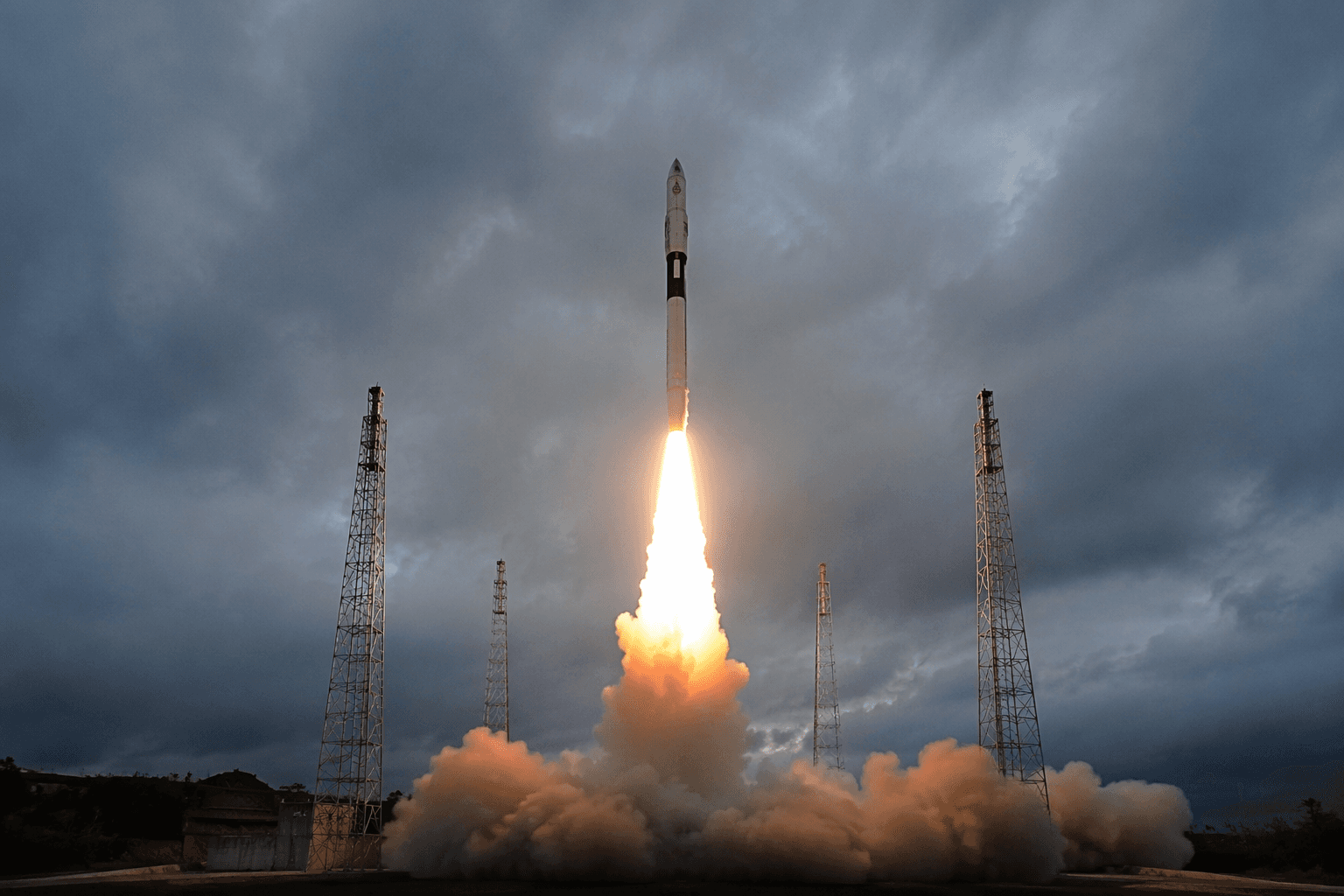
Skyroot Aerospace put 3D printing right into the mission-critical part of its Vikram-1 orbital flight, with VoxelMatters describing the rocket’s fourth-stage module as powered by 3D-printed Raman-1 engines. The launch, called Mission Aagaman, made Vikram-1 India’s first privately developed orbital-class rocket and the country’s first commercial orbital launch by a private company.
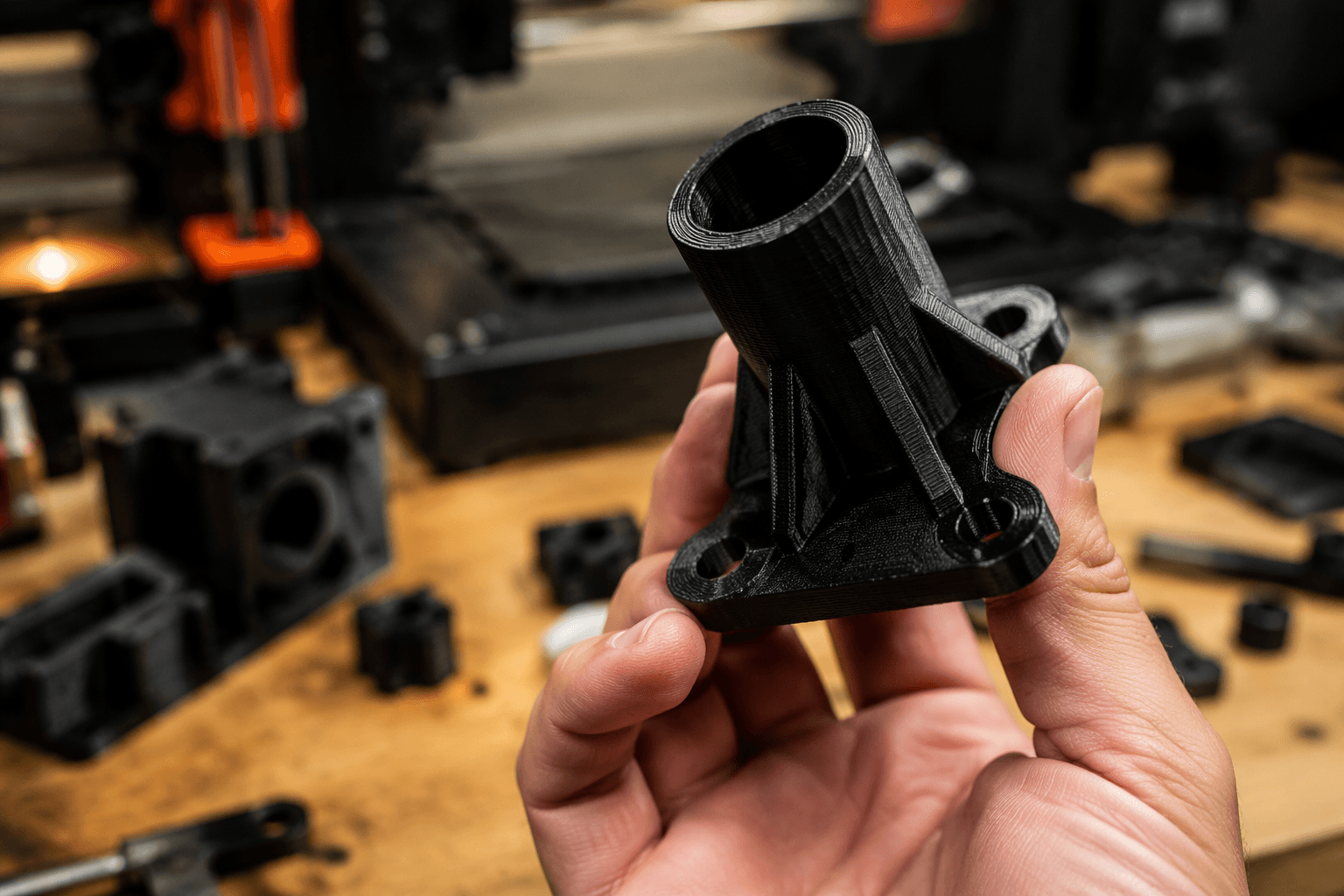
For 3D printing readers, the useful part is not that a rocket flew, but why printed hardware belongs there at all. Rocket engines have to survive extreme heat, high pressure and rapid cycling while staying light, and that is exactly where additive manufacturing earns its keep: complex internal geometry, fewer welded or bolted joints, and faster design iteration. All3DP said Vikram-1’s orbital debut used a 50% lighter 3D-printed engine, a reminder that every kilogram saved at the engine level can buy performance elsewhere in the stack. What translates to a consumer printer is the design logic, not the operating environment. What does not translate is the material regime, qualification burden and safety margin demanded by launch hardware.
The flight itself carried tech payloads and postcards into orbit from the Satish Dhawan Space Centre in Sriharikota, with SpaceWatch.GLOBAL saying the maiden mission placed two satellites into a 453-kilometer orbit and other launch coverage saying six payloads flew. That kind of mix matters to the private launch market Skyroot is targeting, because smaller satellites and lighter payloads are where flexible, repeatable access to orbit becomes commercially valuable.
Skyroot has been building toward this for years. The Hindu reported in August 2025 that the company static test-fired Vikram-1’s stage 1 carbon composite solid fuel booster stage at Satish Dhawan Space Centre SHAR under ISRO’s aegis, and it also reported in 2023 that Skyroot test-fired the 3D-printed cryogenic engine Dhawan-II for a record 200 seconds. The Cryogenic Society of India said Skyroot introduced Dhawan-I, a 3D-printed cryogenic engine, in 2020 before developing Dhawan-II as a more powerful follow-on. Pawan Chandana has said Vikram-1 should be ready for commercial launches in 2027.
That is the real desktop-maker takeaway from Vikram-1: printed rocket parts are no longer a prototype stunt, but a production strategy where lighter structures, fewer parts and controlled complexity pay off immediately. The hobby version stops well before rocket nozzles and cryogenic plumbing, but the design lesson carries straight from the launch pad back to the build plate.
This article was produced by Prism’s automated news system from verified source data, official records, and press releases, then run through automated quality and moderation checks before publishing. The system is built and supervised by the people who set the standards it runs under. Read our full AI policy.
Did this article answer your question?