Appeals Court: Not All Computer Code Protected in 3D-Printed Gun Case
A U.S. appeals court ruled that not all computer code is protected speech, upholding New Jersey’s 2018 ban on distributing 3D-printable gun files and affirming dismissal of Defense Distributed’s case.
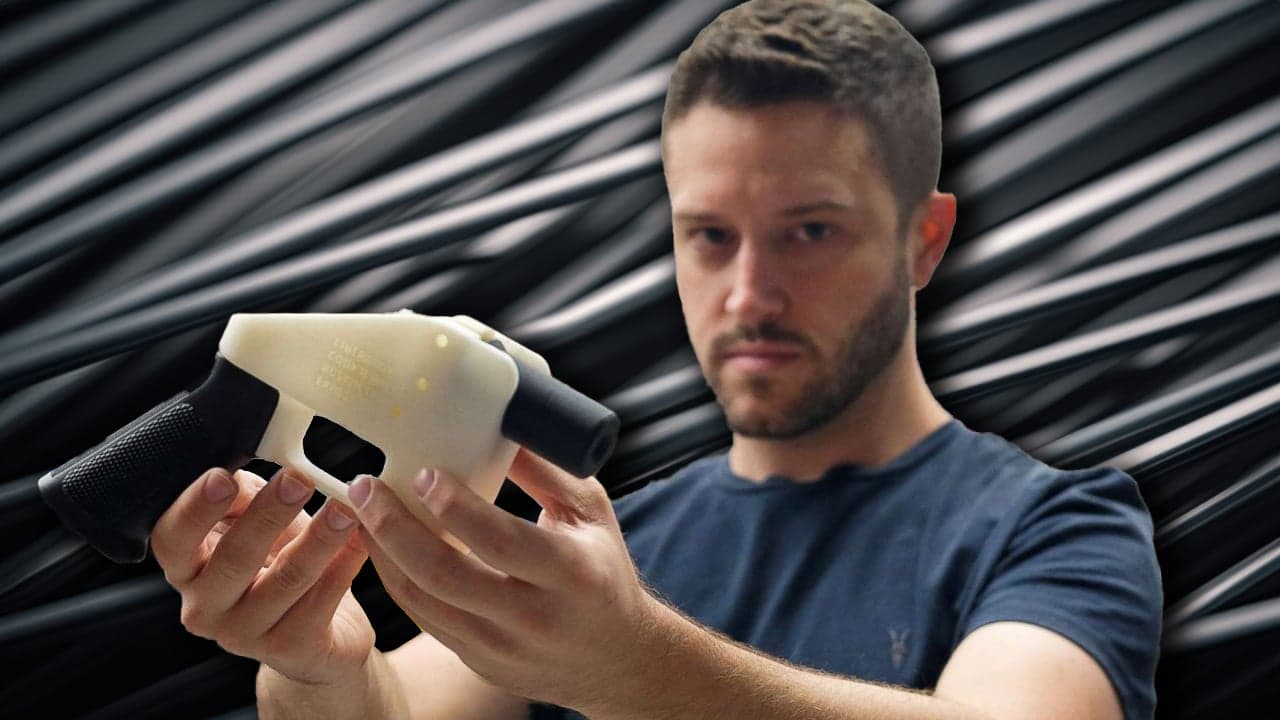
A U.S. appeals court has held that purely functional computer code can fall outside First Amendment protection, a decision that sided with New Jersey’s crackdown on online distribution of files used to make 3D-printed firearms. The ruling affirmed dismissal of the challenge brought by Defense Distributed and the Second Amendment Foundation and leaves in place New Jersey’s 2018 prohibition on distributing such code without a license under N.J. Stat. Ann. § 2C:39-9(l)(2).
The lawsuit began after Defense Distributed, a Texas organization founded by Cody Wilson, received a 2018 cease-and-desist ordering it to stop making digital firearms information available to New Jersey residents. Defense Distributed and the Second Amendment Foundation sued, triggering a venue fight that included the Fifth Circuit’s request to return the case to Texas; the matter nevertheless proceeded before a New Jersey federal judge and ultimately produced the appeals-level ruling now being enforced.
The appeals panel said courts must distinguish expressive code from code that is “purely functional,” and that the plaintiffs supplied “too little information about the code to determine whether the First Amendment applies either way.” The opinion, as summarized in court reporting, indicates that a fact-specific analysis is required to decide whether CAD/CAM files or other digital firearms information are “sufficiently expressive” to receive constitutional protection.
The decision arrives against a backdrop of earlier litigation over online blueprints for guns. In July 2018 the State Department settled a case brought by Defense Distributed; in November 2019 a federal judge in Seattle ruled blueprints could not be posted online; and a January 2020 Fifth Circuit panel declined to revive efforts to publish 3D-gun plans. Defense Distributed’s lawyer Chad Flores previously argued that “The First Amendment protects the freedom of speech from all abridgement, including indirect censorship efforts like this one,” and that “states aren’t allowed to commandeer the federal government to do their unconstitutional bidding, even under the guise of statutory technicalities.”
Acting New Jersey Attorney General Jennifer Davenport said she was “grateful for the ruling.” Anti-gun groups including Everytown for Gun Safety praised the outcome as preserving state authority to address untraceable weapons, while gun-rights advocates criticized the decision as “another erosion of digital freedoms and the right to arms in an era of advancing technology.” Joel Telling, described in reporting as a 3D printing expert, warned of a dangerous precedent for makers and hobbyists. Online reaction included comments such as “This has much larger implications beyond a gun issue” and “That just made the price of the code go up on the underground market.”
Key details remain unclear in public summaries: the full appeals opinion, the issuing court and judges, and the opinion’s vote breakdown have not been released in the excerpts circulated so far. The Biden administration has said it will present new federal rules tightening restrictions on 3D-printed “ghost guns” in the coming weeks. Verify the appeals opinion and the exact text of N.J. Stat. Ann. § 2C:39-9(l)(2) to track how this ruling will affect sharing of CAD/CAM files for single-shot Liberator pistols, AR-15 lower receivers, and other digital firearms information.
This article was produced by Prism’s automated news system from verified source data, official records, and press releases, then run through automated quality and moderation checks before publishing. The system is built and supervised by the people who set the standards it runs under. Read our full AI policy.
Did this article answer your question?