Army 3D printing platoon makes mounts for counter-drone Strykers
A 3D printing platoon in Lithuania made a mount the supply chain could not. The part kept counter-drone Strykers moving during Flytrap 5.0.
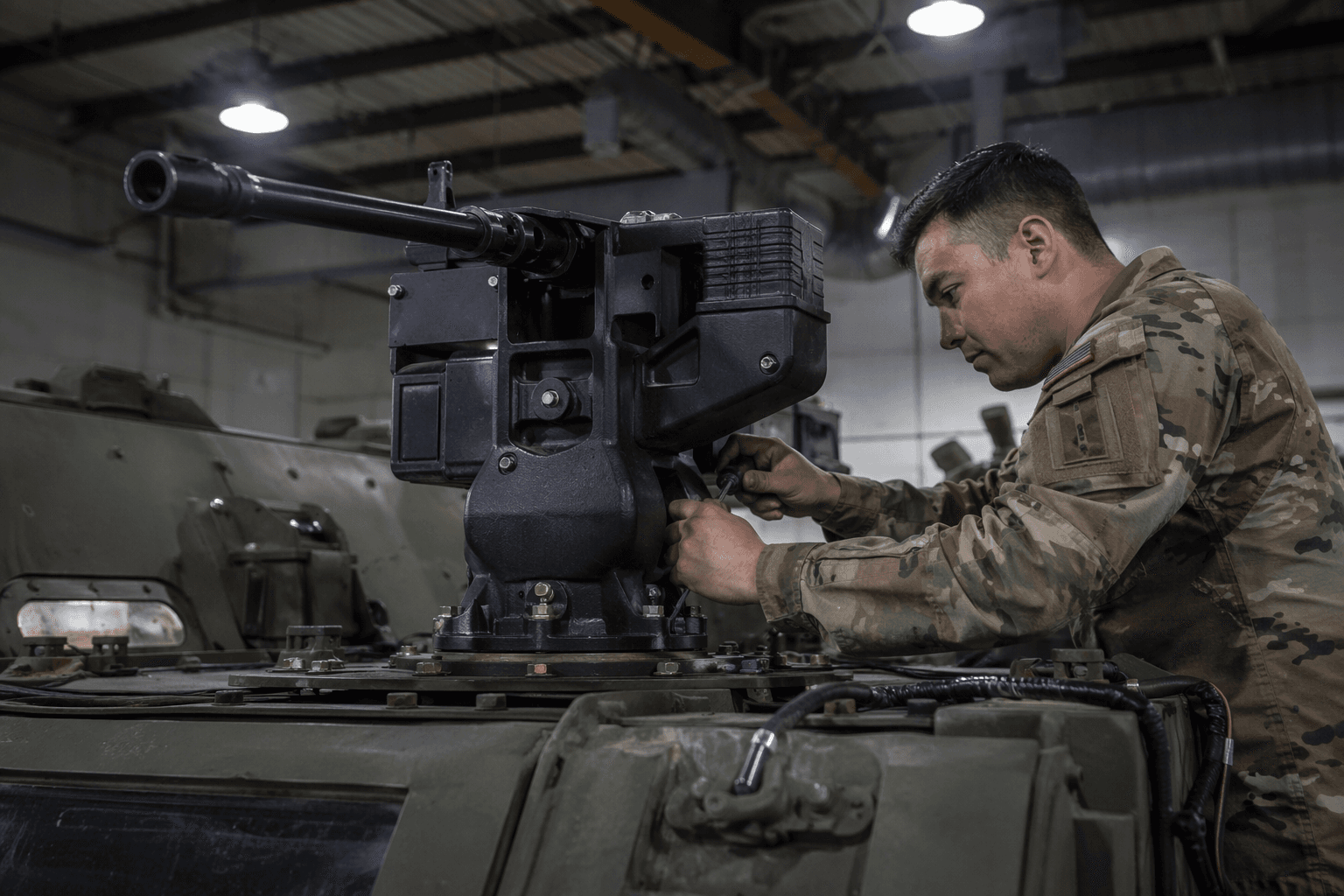
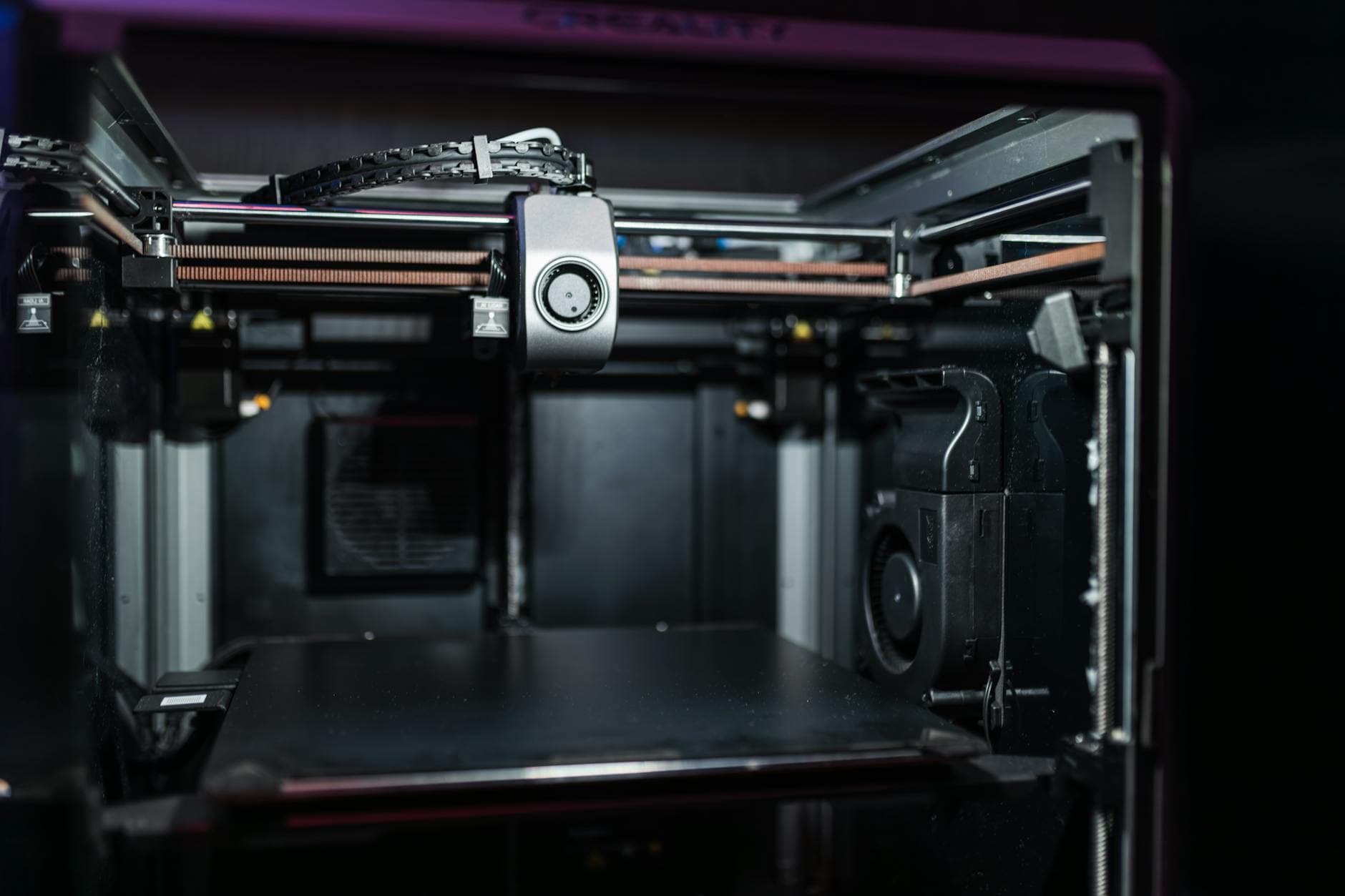
The 2nd Cavalry Regiment’s additive manufacturing platoon turned a missing part into a working fix at Pabradė Training Area in Lithuania, producing mounts, brackets and related hardware for vendor-supplied counter-UAS systems fitted to Stryker combat vehicles. There was no off-the-shelf mount available in theater, so soldiers modeled a subcomponent in CAD and built a usable part on the fly with a mix of 3D printing and subtractive tools.
That quick turn mattered because Flytrap 5.0 was not a lab exercise. Project Flytrap ran from April 27 to May 31, 2026, and Army reporting said nearly 1,000 personnel from the United States, the United Kingdom, allies, partners and industry teammates worked side by side in Lithuania. The month-long event supported NATO’s Eastern Flank Deterrence Initiative and was built around the kind of realistic pressure that comes with counter-drone work, including small UAS threats and swarms. Joint Interagency Task Force 401 said it evaluated more than 20 counter-UAS systems during the exercise, and 2026 was the first year its testing and evaluation standards were applied. The Army also said the Combat Capabilities Development Command helped with data collection.
Maj. Galen King described the printed mount as an 80% solution, the kind of field expedient that bridges commercial hardware and a military platform without waiting for a traditional supply chain. That is the real lesson for 3D printing shops and small makers: if the interface matters more than perfect finish, local fabrication can keep a platform moving while a permanent part is still being designed, approved or shipped. In this case, speed beat stocking a shelf full of spares that might never match the exact need in theater.
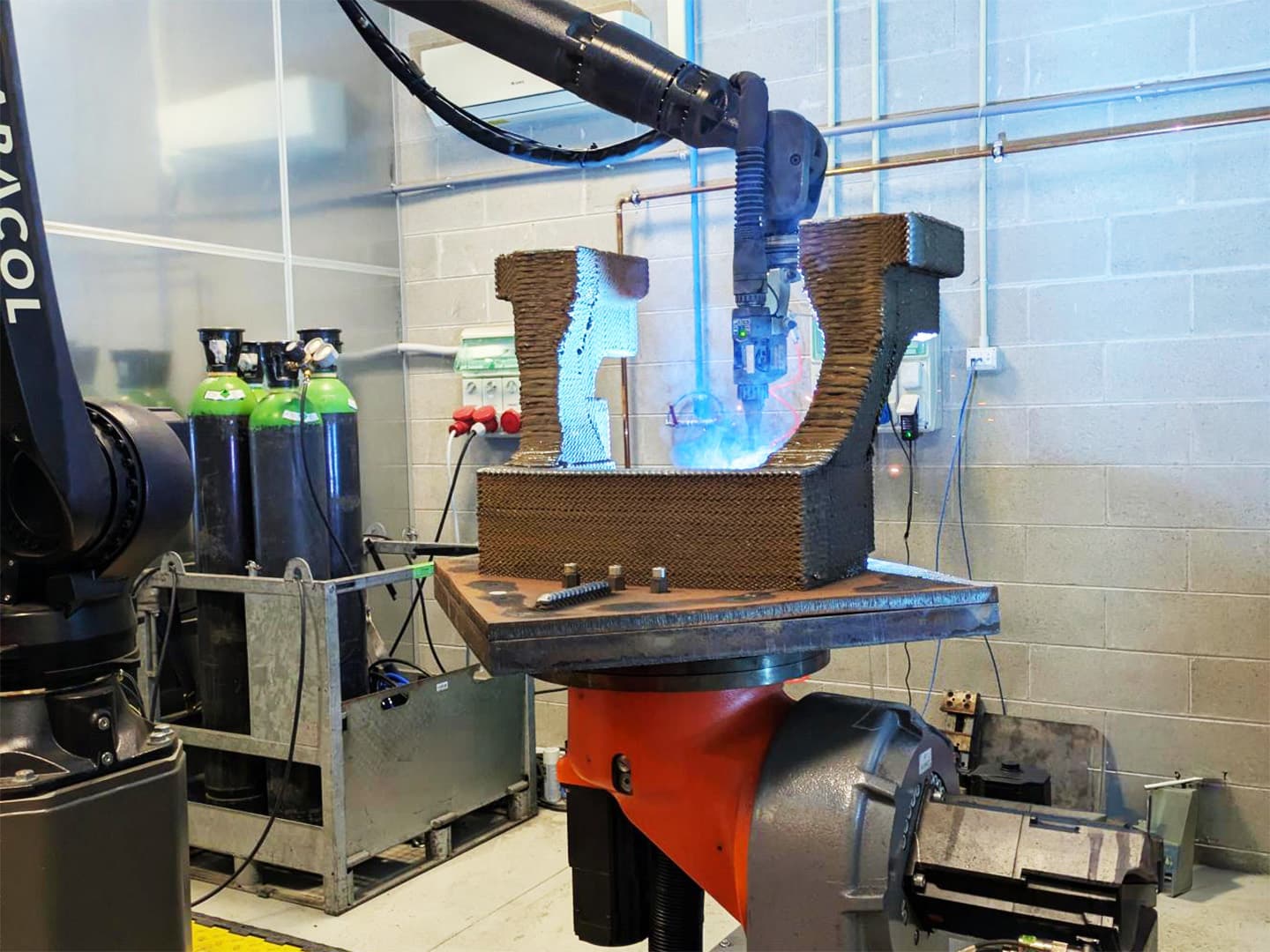
The workflow was not limited to one mount. Sgt. Clarissa De La Cruz, a 91E allied trade specialist trained in welding, machining and 3D printing, led the shop’s broader repair effort, including work on drones used in the exercise. She has pointed to Recreator 3D as a path toward turning bottles into usable filament, and the longer-term goal inside the platoon reaches even further, toward wire arc additive manufacturing and eventually a drone printed from recycled material gathered in the field.
Flytrap 5.0 made the case clearly: when a mount does not exist and the mission cannot wait, the fastest printer is not a prototype tool. It is logistics.
Know something we missed? Have a correction or additional information?
Submit a Tip