NP Aerospace prints 110-kilogram Mastiff suspension part for UK defense
A 110-kilogram Mastiff suspension part was printed, heat-treated and machined for UK defense. NP Aerospace said the move cut lead time by 50%.
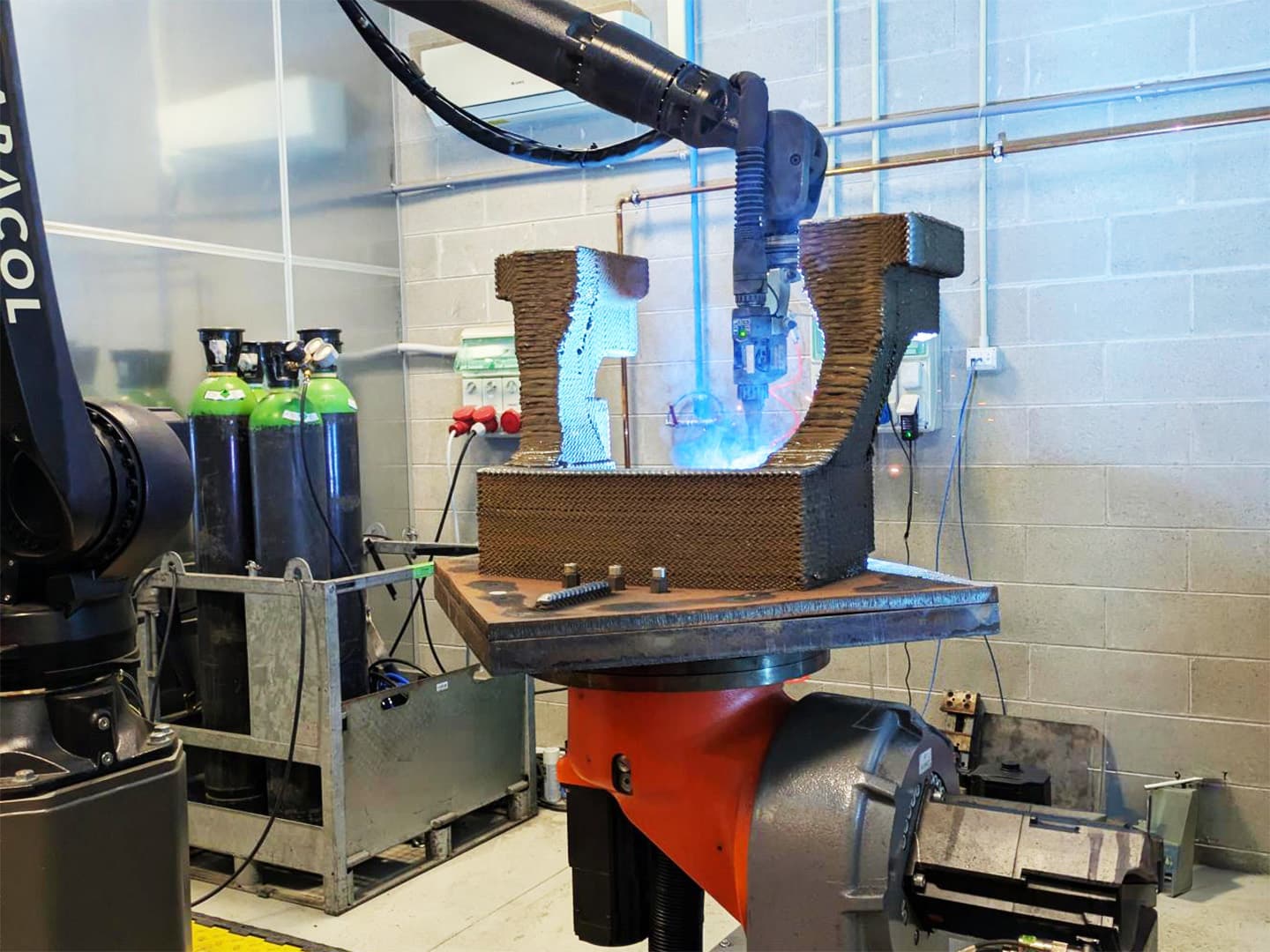
A 110-kilogram suspension and differential carrier is a different kind of 3D printing milestone. NP Aerospace used large-format metal additive manufacturing to make the Mastiff armored patrol vehicle part, pushing the story well past prototypes and into hardware meant to earn its keep on a vehicle built to haul eight troops plus two crew.
The part was produced with Caracol’s VIPRA XP metal WAAM system, working with the Digital Manufacturing Centre under the UK Ministry of Defence’s TAMPA framework. Printed from ER100 in about 60 hours, then heat-treated and machined, the component took a near-net-shape route that sidestepped the tooling demands and geometry limits of conventional casting or forging. Caracol’s setup, which combines cold metal transfer with a 9-axis robotic arm, gave the team the reach to print extreme overhangs and organic forms that would be far harder to pull off on a fixed-axis machine.
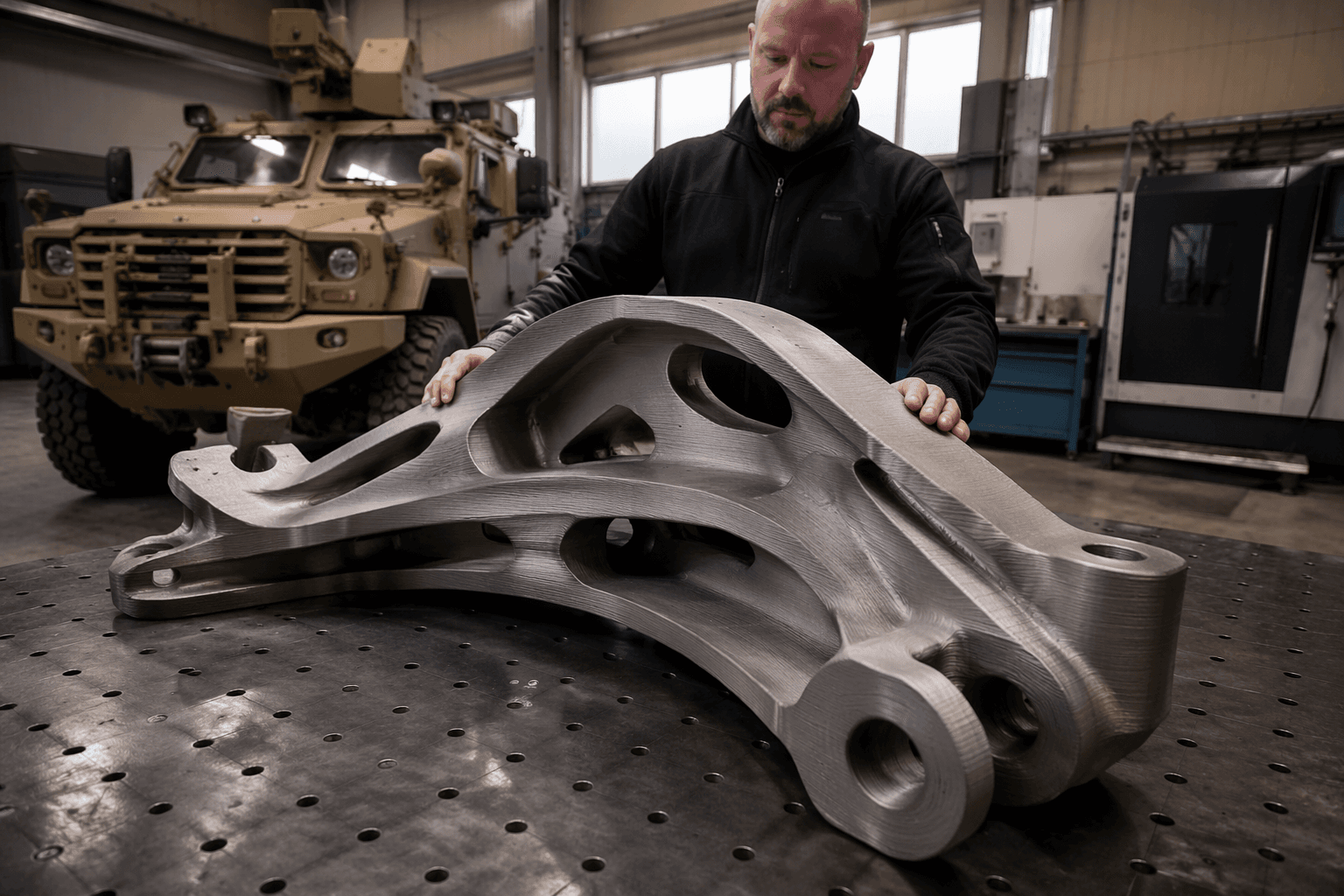
That matters because this was not a showpiece bracket. Mastiff is a heavily armoured 6x6 patrol vehicle and is now on its third variation, according to the British Army. NP Aerospace said the printed part is structurally critical and has to survive harsh loads and shocks, which makes it a good test of how far large-format metal printing has moved toward end-use production for defense. The company said additive manufacturing eliminated tooling, cut lead time by 50%, and opened more design freedom for low-volume parts where conventional methods are slow and expensive.
The program also fits a broader Ministry of Defence push. The department’s 2024 Defence Advanced Manufacturing Strategy says additive manufacturing can improve supply-chain resilience, speed response, shorten lead times, provide access to previously obsolete parts, and improve environmental and operational sustainability. It also says Project TAMPA has already shown that defense supply-chain adoption of additive manufacturing is feasible. The Project TAMPA framework was described in the 2022 tender notice as a multi-supplier arrangement, with estimated purchases of between £3 million and £5 million over seven years.
NP Aerospace has been working in this space for decades, beginning armouring work in the mid-1990s. Its earlier Ridgback and Mastiff upgrades for an urgent requirement in Mali under the PMETS contract were delivered in just over 80 working days, with upgrades that included independent suspension, ride-height control, driveline, steering and braking changes, central tyre inflation systems, and larger-diameter tyres. The new 110-kilogram printed part lands in the same engineering tradition: squeeze more capability out of a mature armored platform, but now with additive manufacturing doing work that once belonged to tooling, long waits, and heavier compromise.
Know something we missed? Have a correction or additional information?
Submit a Tip