Australian musician builds 3D-printed concertinas from scratch
A Broadway and UK-touring accordionist turned a shed in Albany into a concertina workshop, then spent six years and 10 rejected prototypes getting it right.
Eddy Jay did not come to 3D printing from a joinery bench or a lutherie apprenticeship. He came to it because he was not very good at woodwork, so he bought a 3D printer, re-engineered a concertina on a computer, and started building playable instruments out of a shed in Albany, Western Australia.
That is the part that makes this story matter to the 3D printing crowd. Jay, who has performed on Broadway and toured the United Kingdom, was not making shelf décor or a showpiece shell. He was chasing a real acoustic instrument, and the project began as a bet with his father, a concertina player who had wanted to build one himself for decades. The first 10 prototypes were rejected by his father, which is exactly the sort of grind that separates a clever print from a product people will actually play.
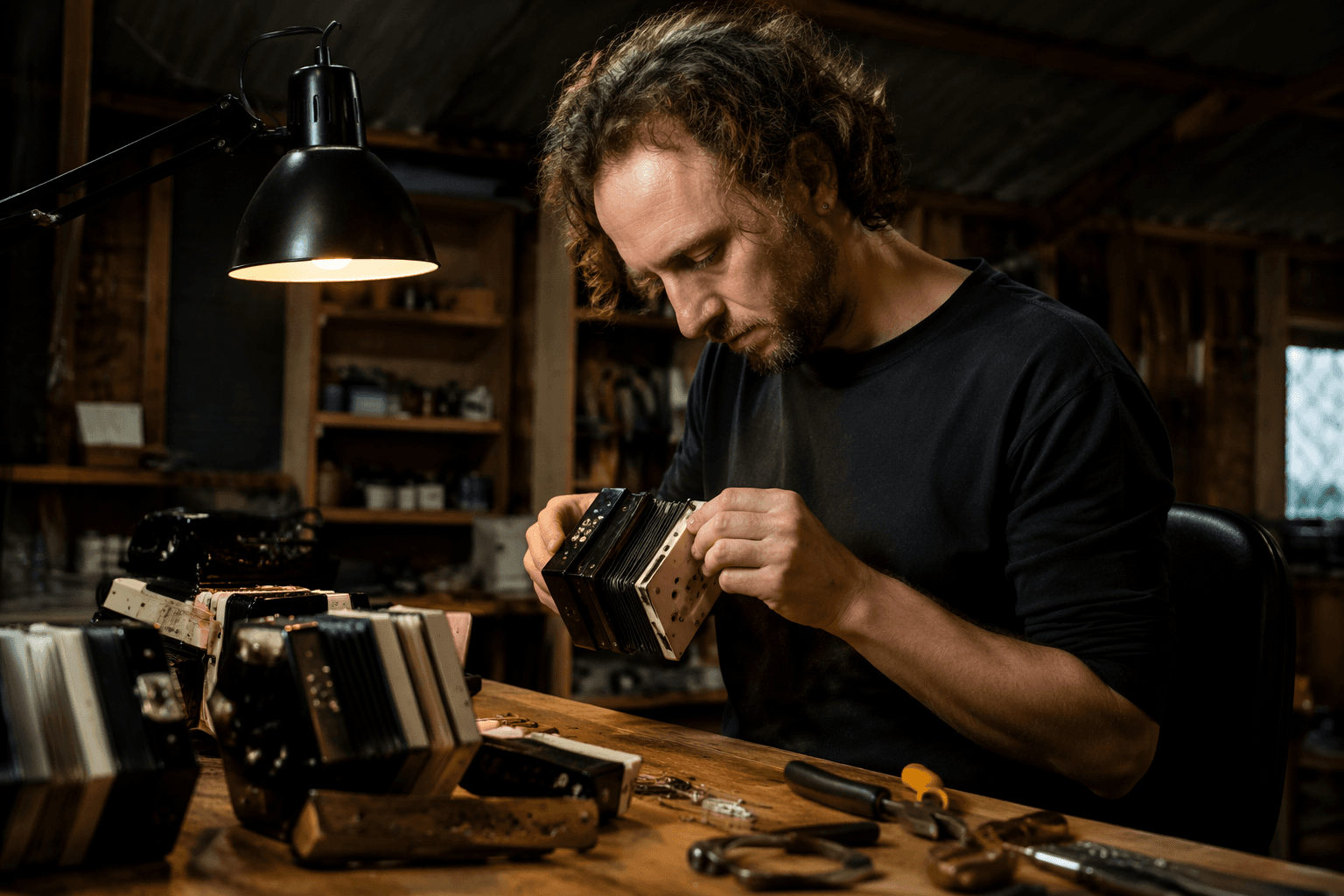
The harder lesson was that plastic does not behave like timber, and Jay had to rethink the whole instrument mechanically and acoustically. The levers, springs and buttons were all new, because the internal architecture had to be redesigned from scratch. Carbon fiber became his preferred material because it produced the loudest and sharpest sound, even if the gray finish was less playful than the early pink, green and rainbow versions. He also built a five-string violin for his wife, Josephine Jay, who described its sound as “smooth,” “velvety smooth” and reverberant. The two even played the hybrid instruments at their wedding.
Jay has now made dozens of concertinas over the past six years, shipping them to customers around the world. Each instrument takes about a month to complete, and he also runs workshops while developing a CNC-routed wooden line based on the same digital designs. That workflow says a lot about where hobby manufacturing is headed: the printer is not always the final machine, but it can still be the engine that gets the geometry, fit and acoustic behavior right before the process moves elsewhere.
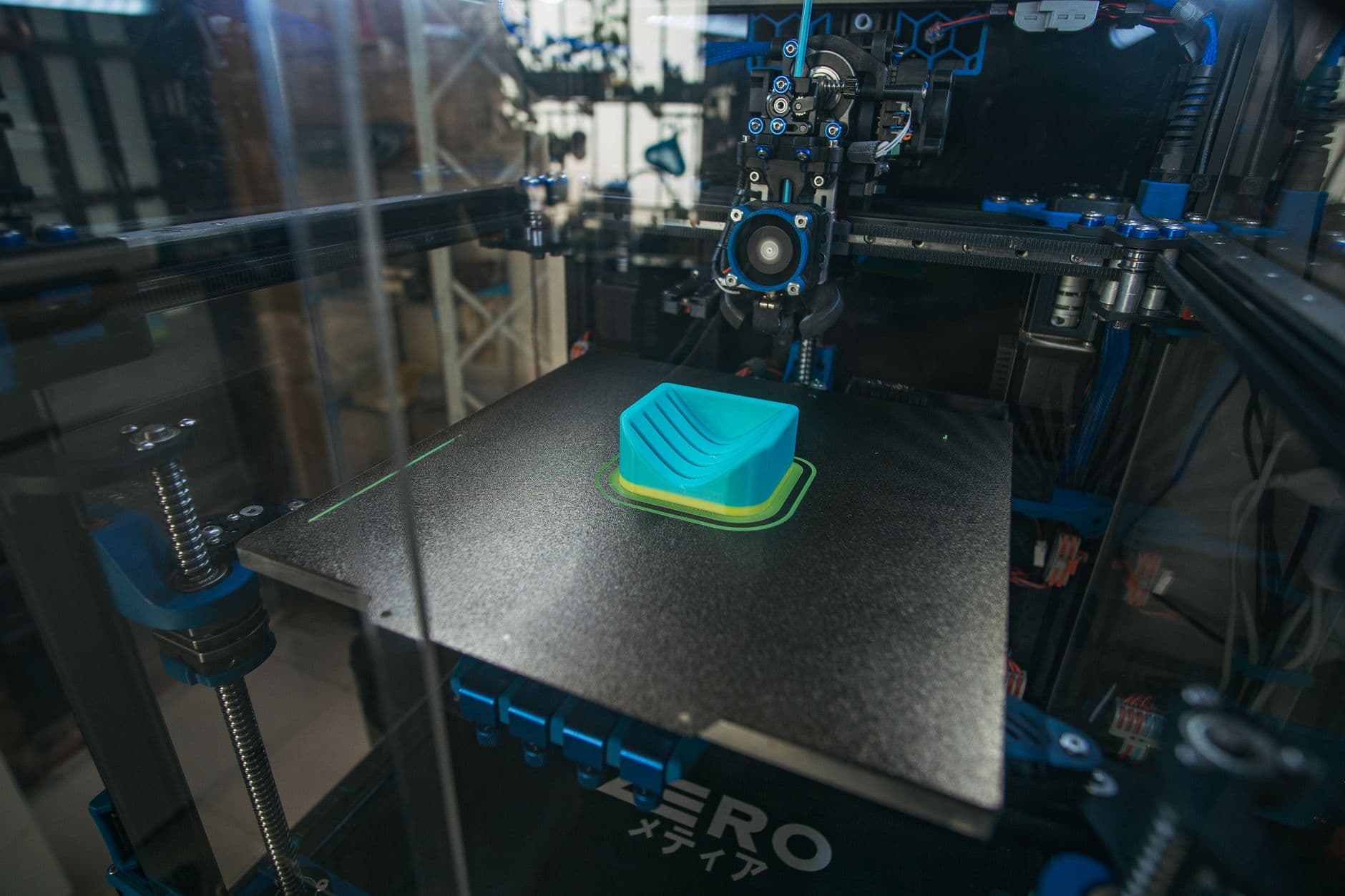
That is why Jay’s work lands differently from the usual 3D-printed novelty. A 2023 Music & Science paper noted that acoustic instruments have stayed remarkably conservative for centuries, even as digital tools transformed other parts of music. Royal College of Music research has gone after accurate historical copies for professional players. Jay sits in a more provocative spot than either of those paths. He is proving that a home workshop, a printer and a stubborn ear can get you to something that is not just printable, but playable enough to sell.
This article was produced by Prism’s automated news system from verified source data, official records, and press releases, then run through automated quality and moderation checks before publishing. The system is built and supervised by the people who set the standards it runs under. Read our full AI policy.
Did this article answer your question?