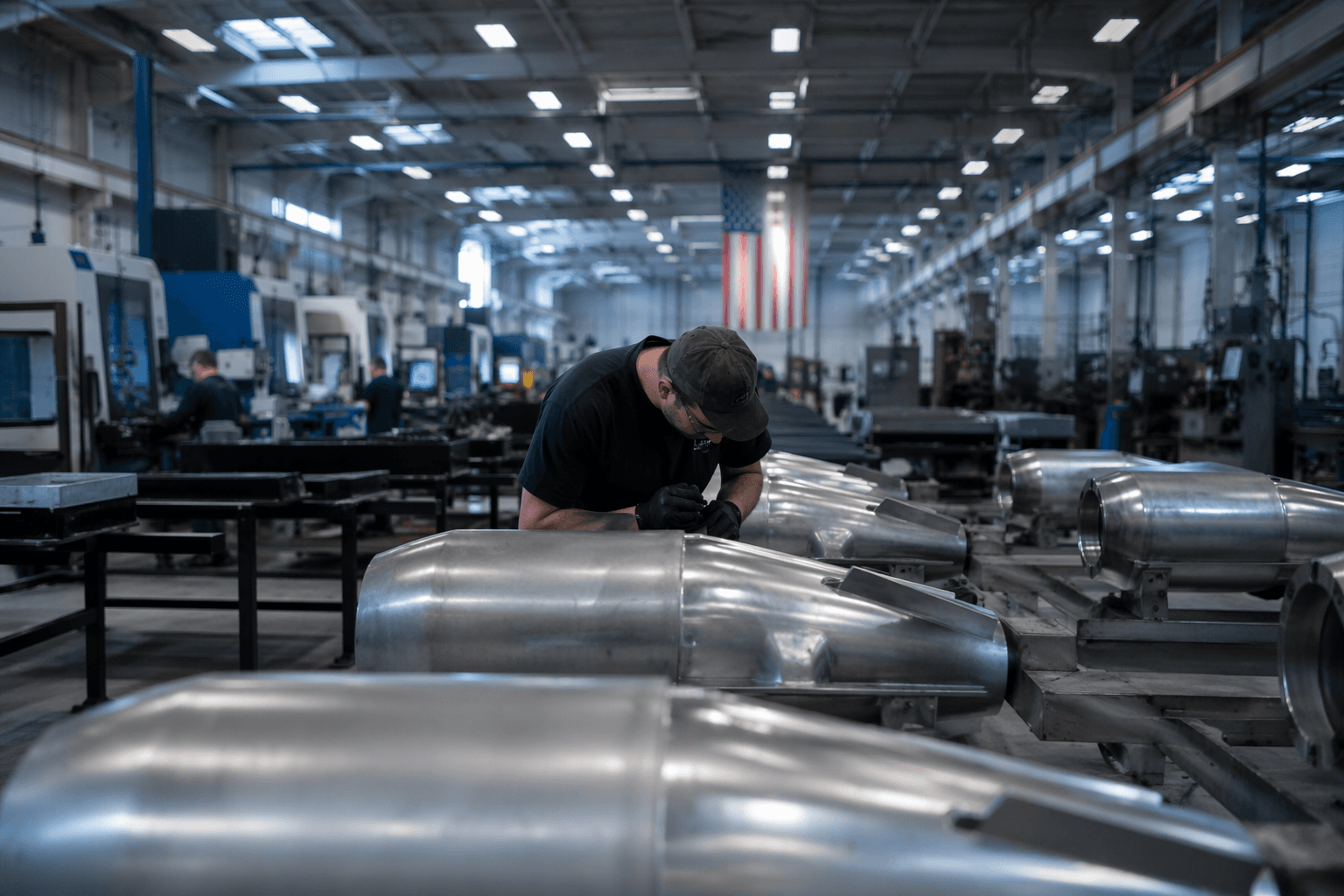
Authentise launches Whisper AI to capture engineering intent in additive workflows
Authentise’s Whisper pushes AI past design chatter and into the messy workflow data that slows print jobs, change control, and compliance.
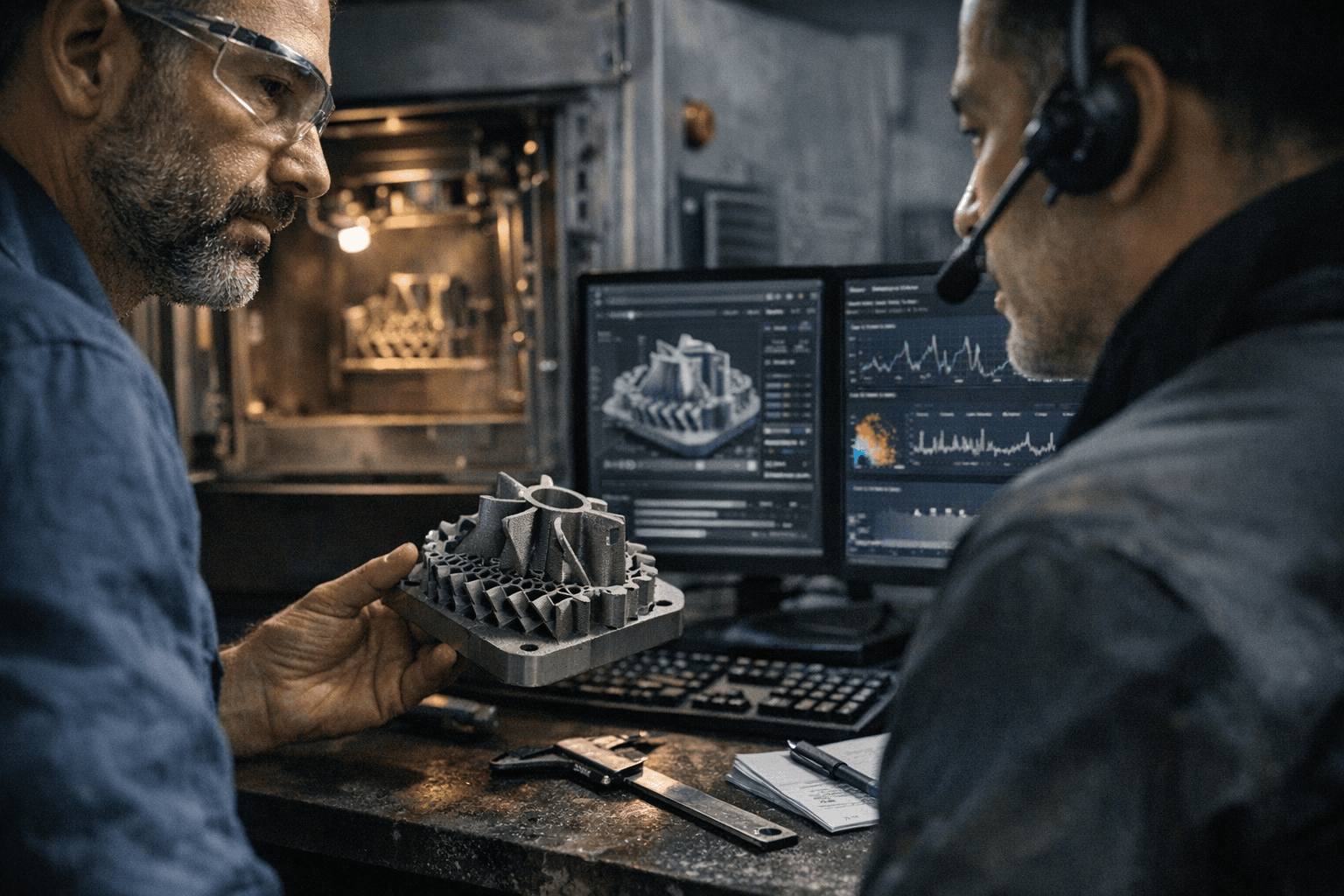
Authentise has launched Whisper, an AI layer aimed at the part of additive manufacturing that still lives in inboxes, chat threads, meeting notes, and half-finished decisions. The pitch is simple but consequential: capture engineering intent as work happens, then turn it into structured records that can flow into ERP, PLM, and QMS systems without forcing engineers to stop and re-enter the same information.
That matters well beyond big factories. If Whisper can reliably preserve why a parameter changed, why a build was delayed, or why a process choice was approved, it could cut down on failed iterations and keep knowledge from disappearing when a project moves from one engineer to another. Authentise says the platform is designed to create provenance and audit trails tied to parts and projects, while also supporting compliance monitoring, live project-health alerts, technical documentation generation, and detection of possible IP leakage or duplication through digital fingerprinting.
The launch landed at RAPID + TCT 2026 in Boston, which ran April 13-16 and remains North America’s biggest additive manufacturing and industrial 3D printing event. Authentise officially announced Whisper on April 15, 2026, and the company’s timing gave the product extra visibility after it recently won the TCT Software Award. For a market that has spent years talking about automation in slicing, nesting, and generative design, Whisper points in a different direction: making the records, approvals, and handoffs around production far less manual.
Authentise CEO Andre Wegner said the company had spent 14 years helping companies digitize workflows, and he framed Whisper as the next step in that effort. The software is released as source-available, with initial access set up for a low upfront commitment and fuller costs only after value is proven, a pricing structure that should attract the kind of operations teams that want to test workflow automation before signing up for a large platform roll-out.
The bigger shift is philosophical. Instead of asking engineers to adopt yet another interface, Whisper is meant to listen in the background, structure what matters, and act inside the tools teams already use. That puts it closer to infrastructure than a chatbot, and it suggests additive software is moving toward something makers and production shops have wanted for years: less chasing context, fewer lost revisions, and a cleaner path from idea to part.
This article was produced by Prism’s automated news system from verified source data, official records, and press releases, then run through automated quality and moderation checks before publishing. The system is built and supervised by the people who set the standards it runs under. Read our full AI policy.
Did this article answer your question?