UK Opens Inquiry Into Security Risks of Chinese 3D Printers
Britain has opened a security inquiry into Chinese-made 3D printers after reports the Army used them to build weapons, putting desktop machines under a new spotlight.
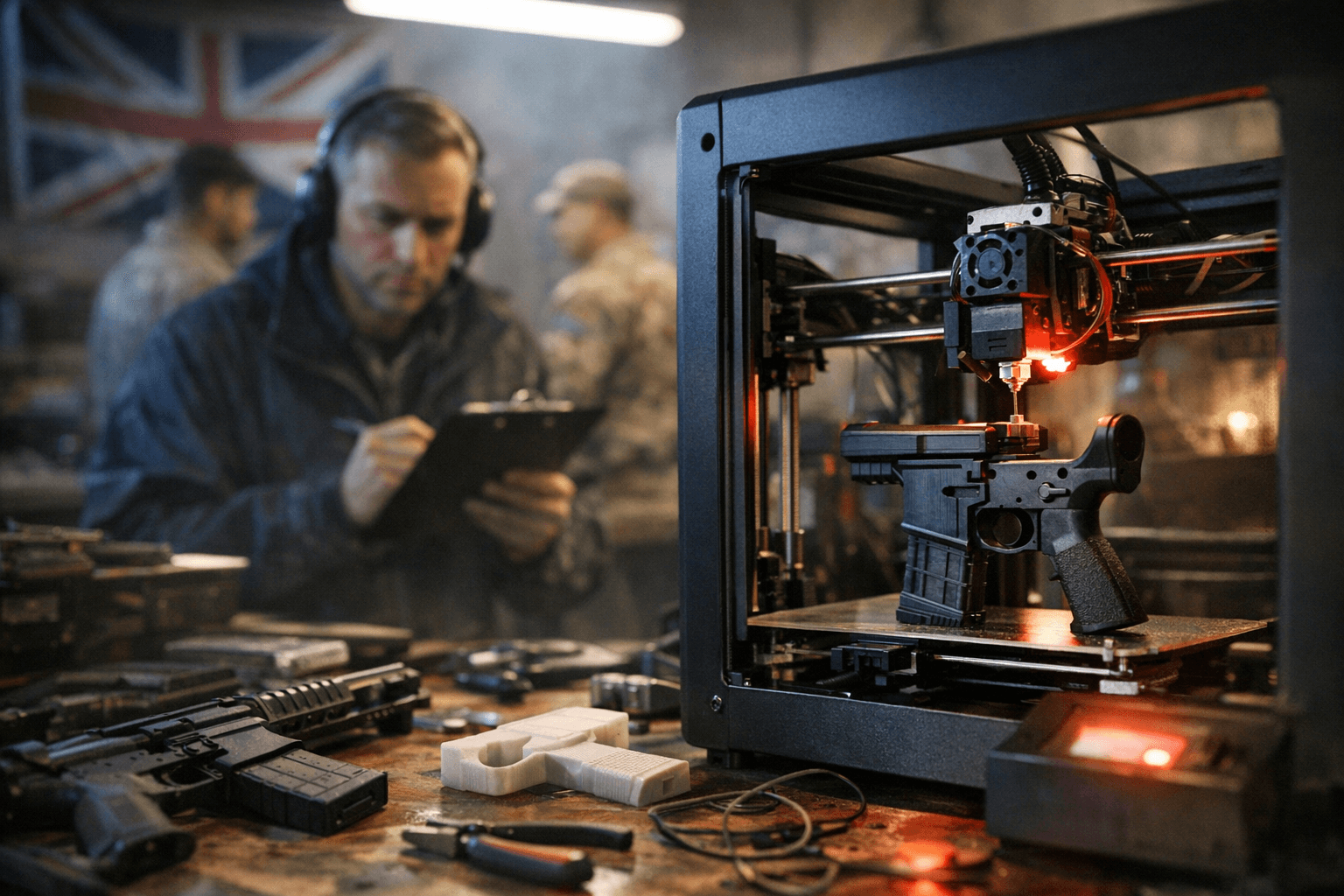
Britain’s defense establishment has pulled Chinese-made 3D printers into a national-security debate after reports that the British Army used them to build weapons. The immediate issue is not a consumer ban, but a shift in how the technology is being viewed: less as a bargain tool for making parts and more as hardware that can sit inside sensitive supply chains.
The Defence Secretary ordered the investigation, pushing the matter beyond a routine procurement check. That matters because 3D printers are no longer simple stand-alone machines. The category now includes networked desktop units, slicers, firmware updates, cloud-linked dashboards, and remote management features, the same plumbing that powers the printers many makers use at home, whether it is an enclosed CoreXY machine, an Ender-style bedslinger, or a resin setup on a workbench.
The security angle is what changes the temperature. If printers can be used in a military setting to produce weapons, then questions about where the hardware came from, how the firmware behaves, and what data the machine sends or receives become harder to dismiss as abstract policy talk. A printer that looks ordinary on a hobby desk can still carry software dependencies, update channels, and connectivity features that make it part of a much larger digital ecosystem.
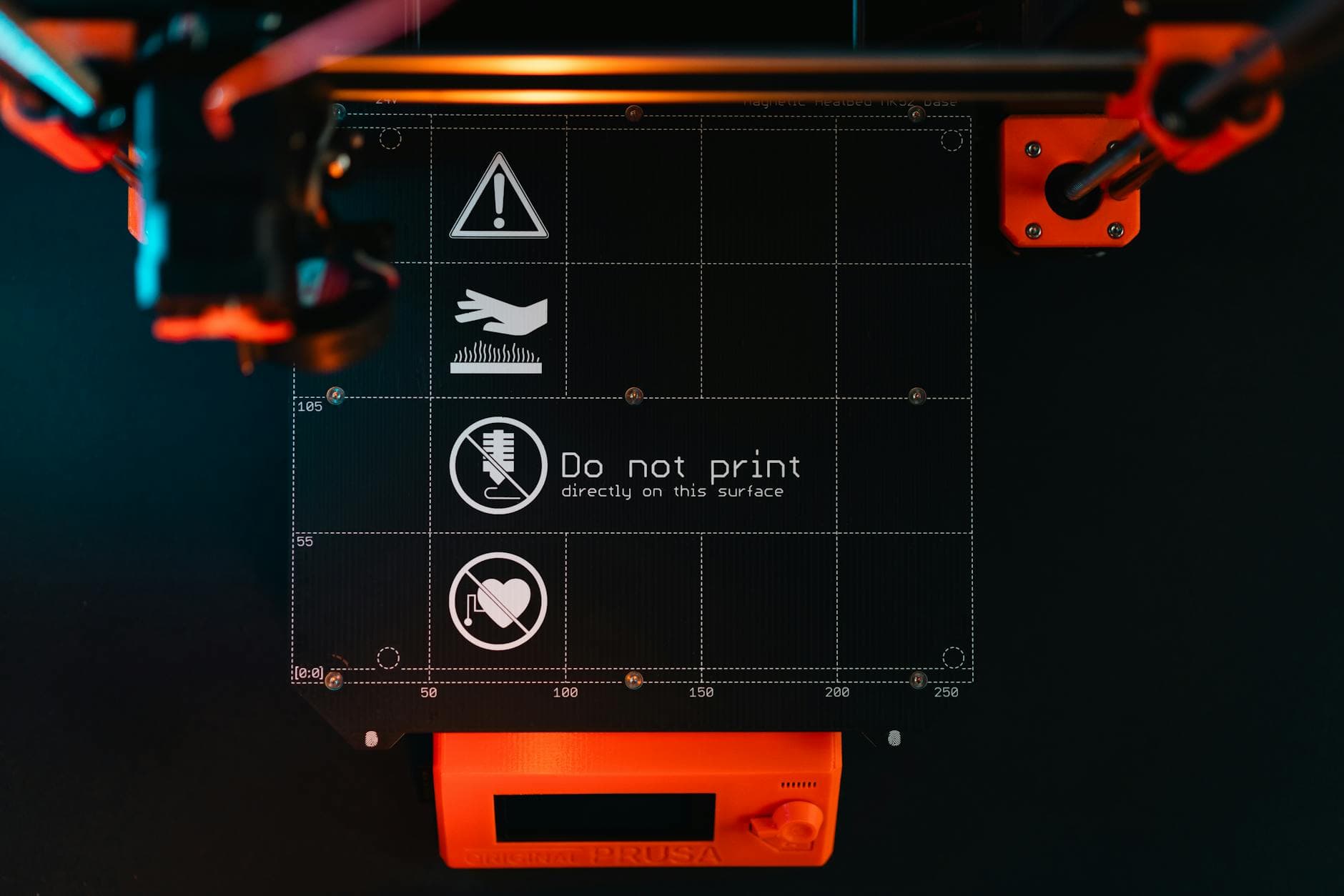
That is why the inquiry could matter well beyond the armed forces. Public institutions often tighten procurement rules after a defense review lands, and the likely pressure points are easy to see: firmware transparency, cloud access, network security, and supply-chain provenance. If the government starts treating imported printers as strategically sensitive equipment, schools, labs, makerspaces, and other public buyers may follow with stricter purchasing rules of their own.
For home users, the short-term reality is calmer than the headlines suggest. No one is announcing a blanket ban on the printer on your desk. Even so, the fact that a military-focused inquiry is now examining Chinese-made machines shows how far 3D printing has moved from hobby status into the same trust-and-security arguments that shape broader electronics policy. The next round of scrutiny may not target the build plate first, but the firmware, the cloud stack, and the supply chain behind it.
This article was produced by Prism’s automated news system from verified source data, official records, and press releases, then run through automated quality and moderation checks before publishing. The system is built and supervised by the people who set the standards it runs under. Read our full AI policy.
Did this article answer your question?