Bambu Lab patent aims to smooth 3D printer power draw
Bambu Lab has patented a way to stagger heater cycles after warmup, a move that could reduce peak draw, improve circuit stability, and get printers ready faster.
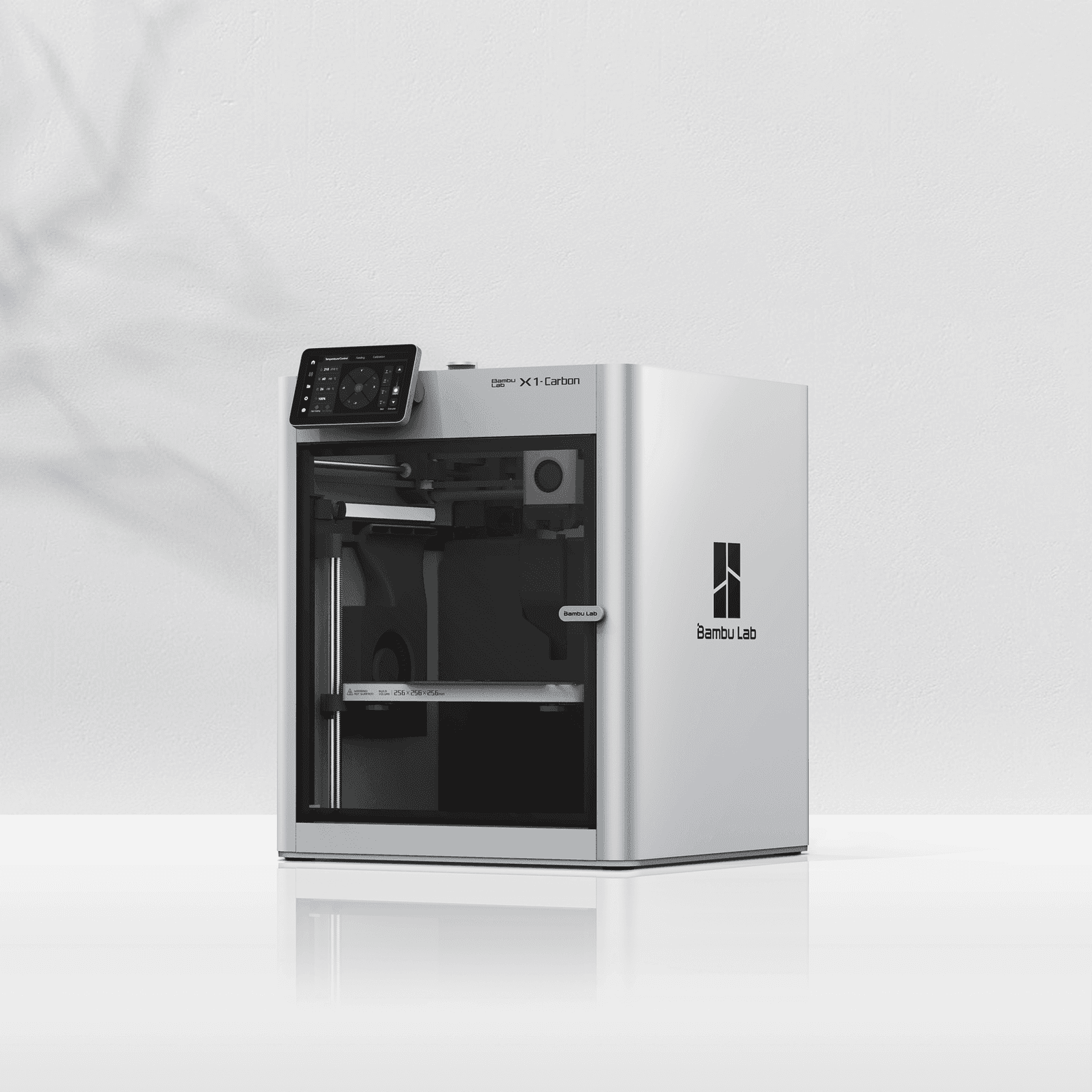
Bambu Lab’s latest patent is not about multicolor tricks or faster motion. It is about something a lot more practical for desktop users: keeping a printer’s power draw under control while still heating up quickly.
Shenzhen Tuozhu Technology Co., Ltd., the company behind Bambu Lab, filed CN-121973446-A on May 12, 2026. The filing describes a control system built around two heating modules and two switches. During warmup, both heaters can pull more power to reach target temperatures faster. Once the hot end, build plate, or chamber reaches set temperature, the printer shifts into a maintenance phase where the duty cycle drops and the switching pattern is staggered instead of synchronized.
That matters because synchronized heating cycles can create sharp spikes in current draw. In a home office, garage, or small print farm, those peaks can make a circuit feel more loaded than it needs to be, and in a marginal setup they can raise the odds of nuisance breaker trips. Smoothing the load without giving up fast warmup is the real promise here, especially as desktop FFF machines add heated chambers and auxiliary thermal systems on top of the hot end and bed.
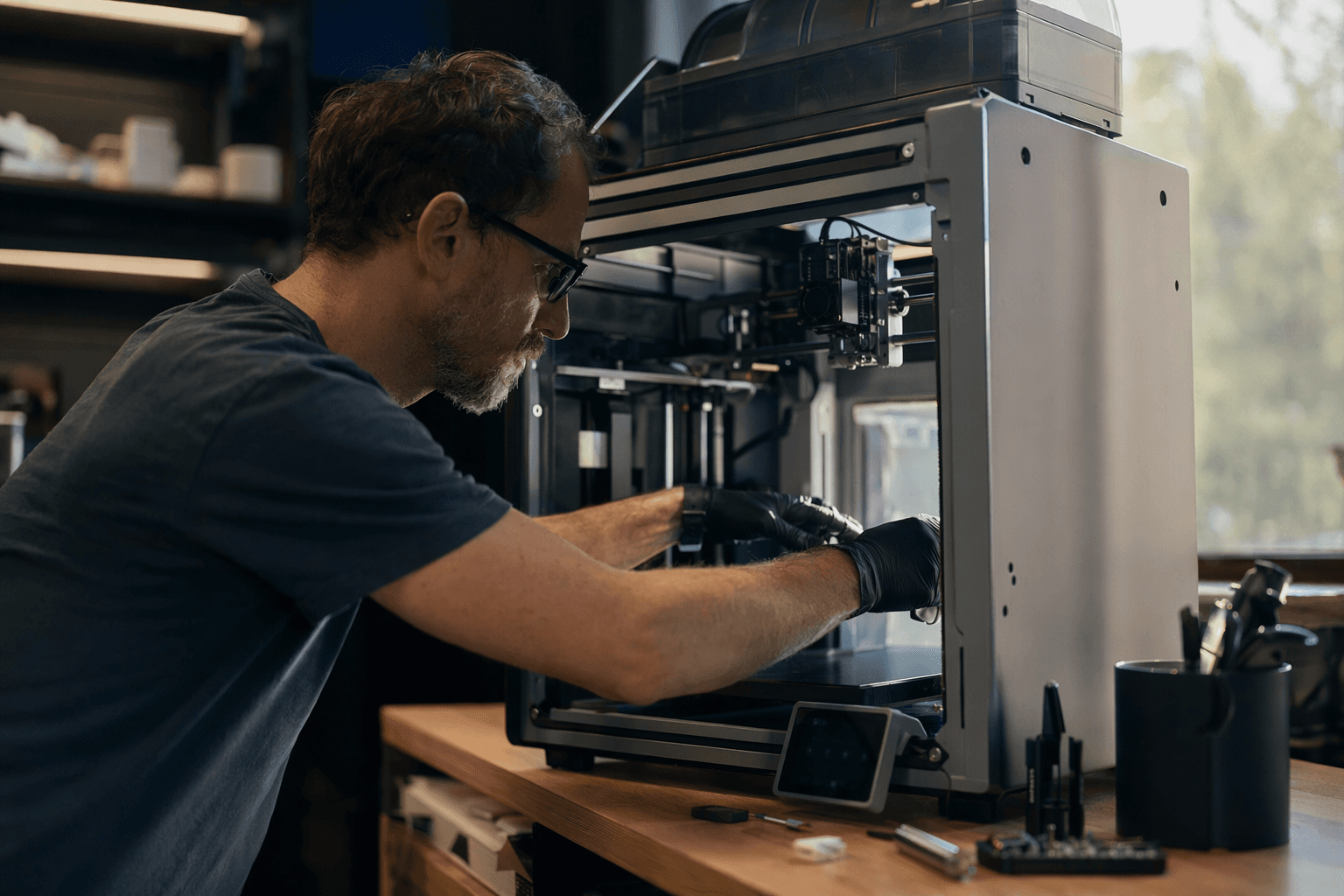
The patent fits neatly with Bambu Lab’s current hardware direction. The H2D’s official specifications list active chamber heating with a maximum chamber temperature of 65 C, a maximum heatbed temperature of 120 C, and electrical requirements of 100-120 VAC or 200-240 VAC at 50/60 Hz. Bambu Lab says the machine can draw up to 2200 W at 220 V or 1320 W at 110 V, while maintaining maximum power for no more than 3 minutes so the heatbed can reach temperature quickly.
That combination makes the new filing feel less like a one-off and more like an engineering follow-through. Bambu Lab has already framed the H2D around thermal control, and users are clearly paying attention. The Bambu Lab Community Forum has active discussion around H2 series power behavior and chamber-heating setups, including aftermarket hardware like BIQU’s Panda Breath chamber heater. That accessory uses a 300W PTC heater, claims up to 60 C chamber temperature, and advertises automatic start-stop control by monitoring bed temperature in real time.
The timing also lands against a tougher backdrop. Stratasys filed a patent infringement lawsuit against Bambu Lab and related entities in 2024 in the U.S. District Court for the Eastern District of Texas, targeting ten patents that include heated build platforms, purge towers, and force detection. Against that kind of pressure, a patent focused on smoothed heater scheduling says a lot about where Bambu sees the next gains: not just in print quality, but in making high-power desktop printers easier to live with every day.
This article was produced by Prism’s automated news system from verified source data, official records, and press releases, then run through automated quality and moderation checks before publishing. The system is built and supervised by the people who set the standards it runs under. Read our full AI policy.
Did this article answer your question?