Tectonic 3D acquires Solvay’s high-performance 3D printing materials portfolio
Tectonic 3D just took over Solvay’s high-heat filament line, and the big signal for makers is continuity: supply, support, and the niche materials that keep the top end of FFF alive.
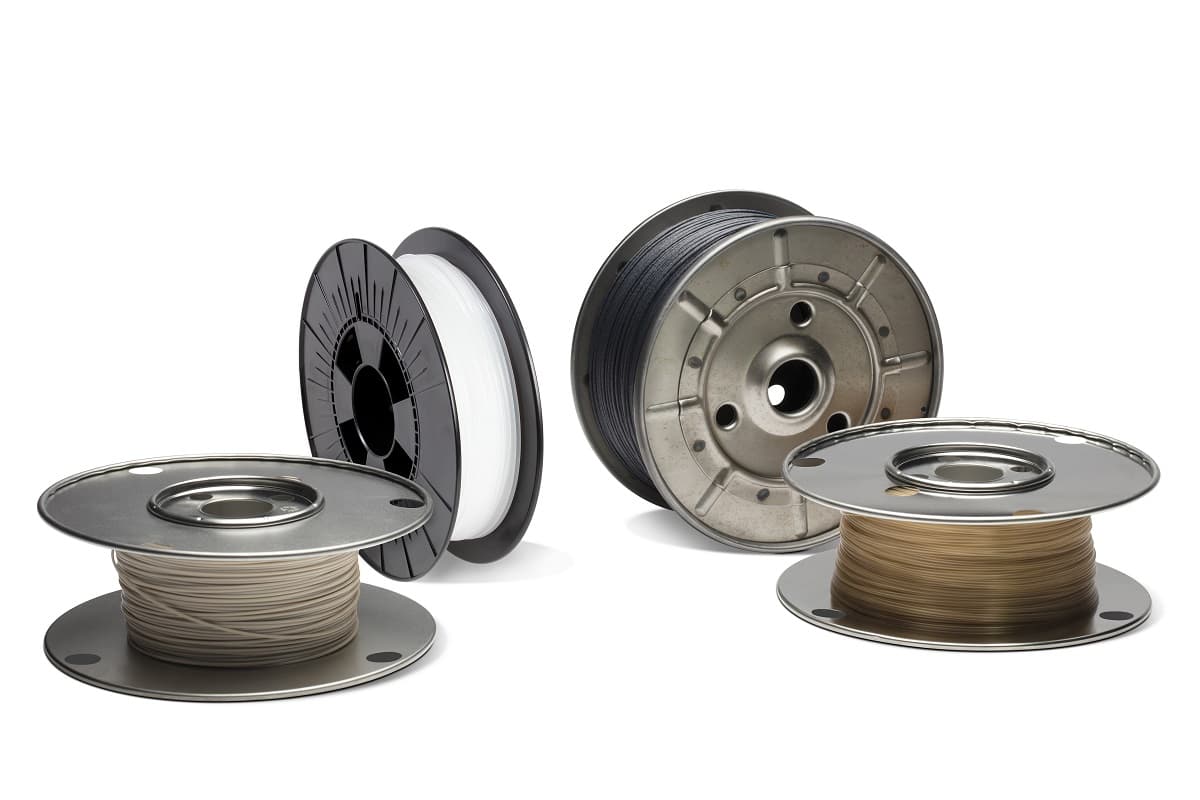
The filaments most desktop users never touch just changed hands, and that matters because this is where high-temperature printing either stays stable or starts getting nervous. Tectonic 3D has acquired Solvay’s 3D printing materials portfolio, moving the Syensqo lineup, including PEEK AM Filament MS NT1, PEEK CF10 LS1, PPSU, NT1 HC, and CF10 HC, into a more focused additive manufacturing house.
For most makers, this is not a PLA shelf reset or a brand-relabeling exercise. It is a handoff in the high-performance corner of the market, where the real questions are whether the filament stays available, whether existing print profiles still make sense, and whether qualified users can keep making parts without rebuilding their whole process. That is why the reassurance from both sides matters so much. Tectonic 3D chief executive Kenneth Kempinski said the company was excited to bring the portfolio in-house and use it to accelerate innovation, deepen application expertise, and create more value for demanding customers. Syensqo’s Brian Alexander said the materials were in good hands and that continuity in production, supply, and technical support would continue.
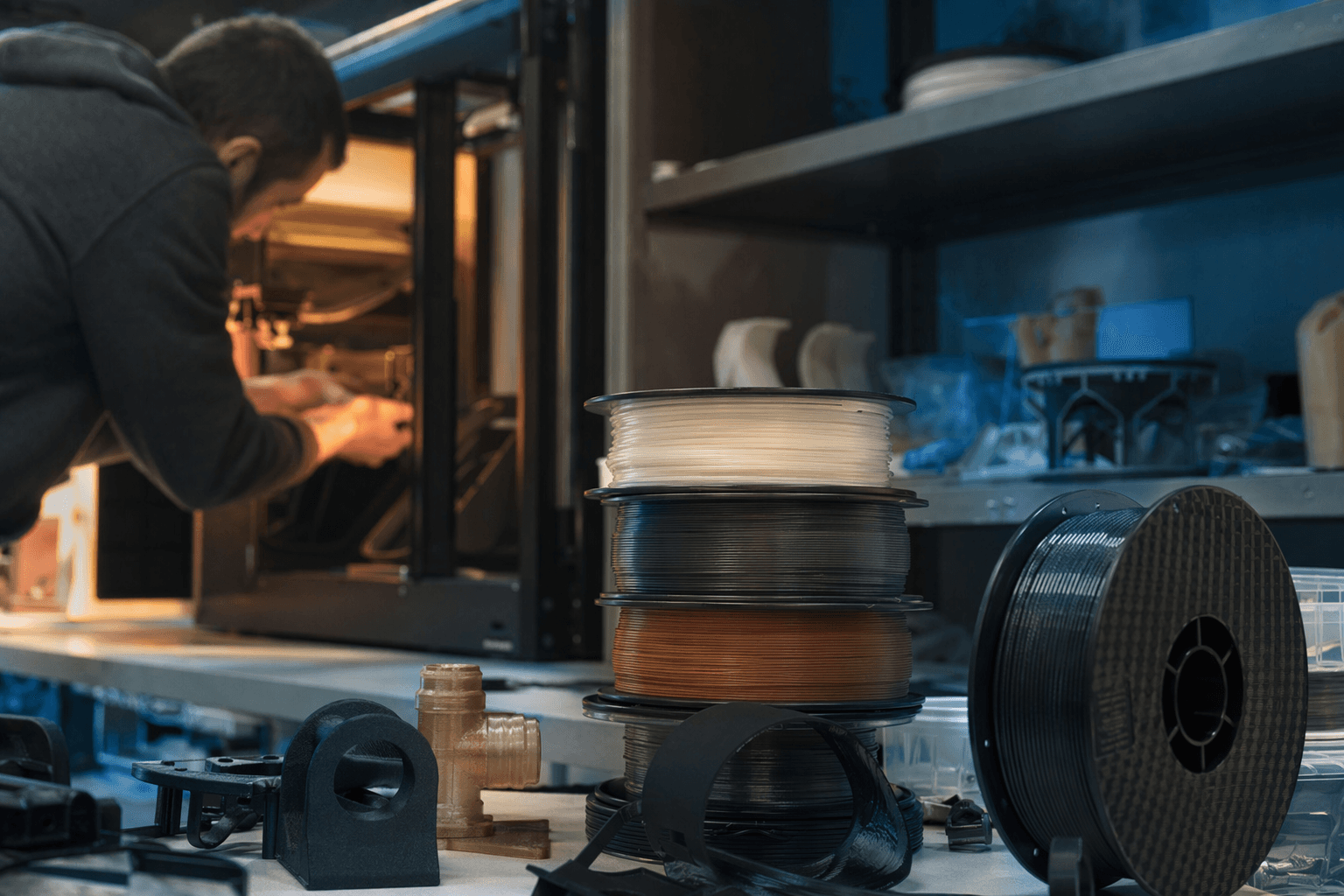
That continuity piece is the heart of the story. These materials are often used for aerospace, industrial, and other mission-critical parts, where a change in ownership can trigger anxiety about requalification, supply stability, and whether a long-running material will quietly disappear. Even if you have never run PEEK CF10 on your own machine, the existence of a healthy supply chain for exotic polymers shapes the whole ecosystem around enclosure design, nozzle choices, drying, and the long tail of engineering filaments.
Syensqo’s own additive manufacturing pages still frame the materials as part of a broader specialty-polymers business, not a consumer-filament line, and the company continues to publish technical data sheets for materials such as KetaSpire CF10 LS1 AM Filament, KetaSpire MS NT1 AM Filament, and Radel MS NT1 AM Filament. That makes this look less like an exit from advanced materials and more like a selective transfer of stewardship to a specialist better positioned to push the portfolio forward.
The deal also fits a bigger industry shift that has been building for years. Solvay had already pushed high-performance PEEK and PPSU filaments for FFF and FDM, later adding carbon-fiber-filled KetaSpire PEEK and Radel PPSU materials to Digimat Additive Manufacturing and then launching more high-performance filaments for FFF printing. Syensqo itself was born from Solvay’s demerger, effective at midnight on December 8, 2023, after shareholders approved the split with 99.53% of positive votes. Now another piece of that legacy has moved again, and for the people printing at the high end, the practical test is simple: the parts, the supply, and the support need to keep showing up.
This article was produced by Prism’s automated news system from verified source data, official records, and press releases, then run through automated quality and moderation checks before publishing. The system is built and supervised by the people who set the standards it runs under. Read our full AI policy.
Did this article answer your question?