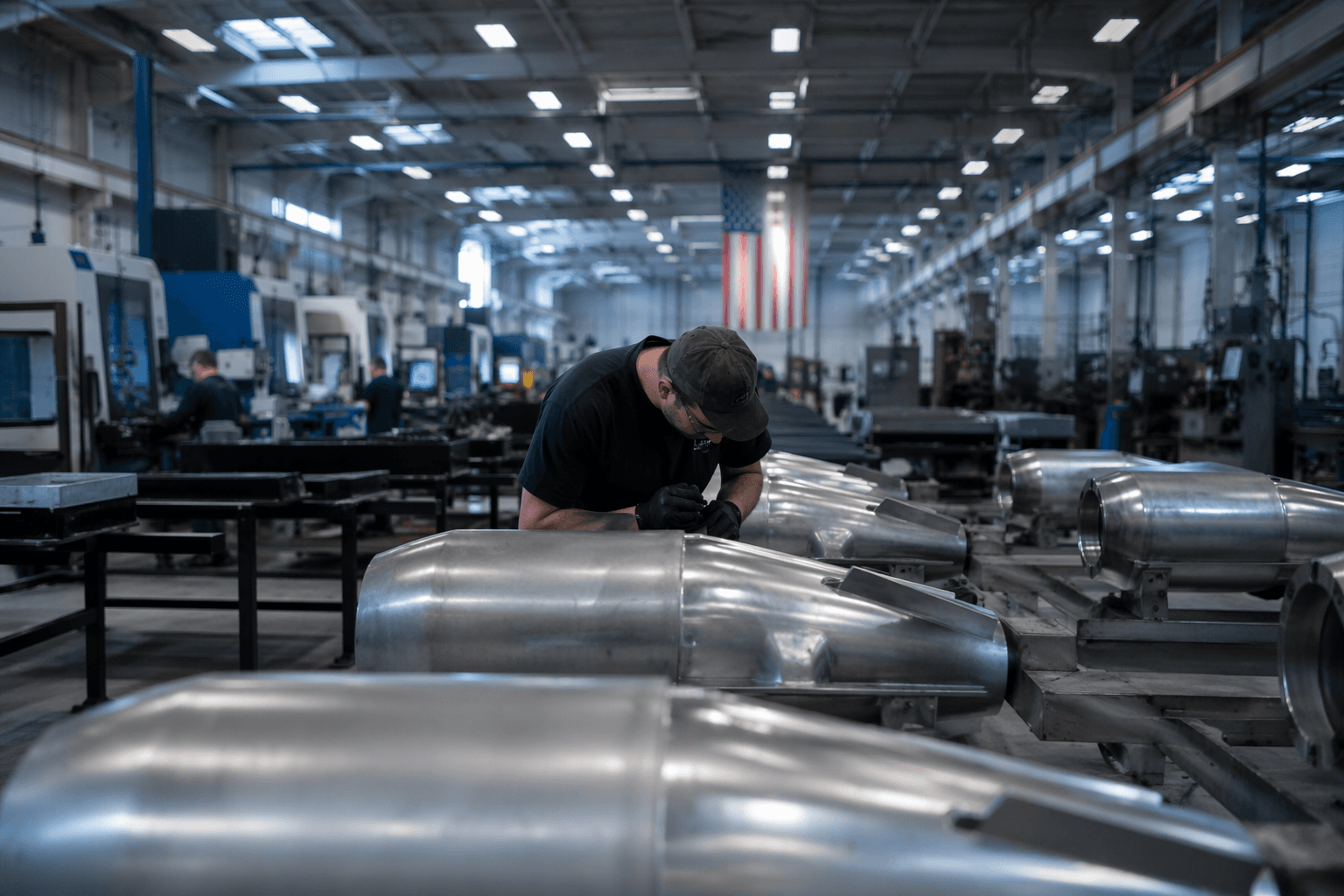
Branch Technology turns NASA 3D printing wins into commercial construction
Branch Technology has moved from NASA's habitat challenge to wall panels and cladding, showing how lattice-heavy printing can leave the lab and cut waste on Earth.
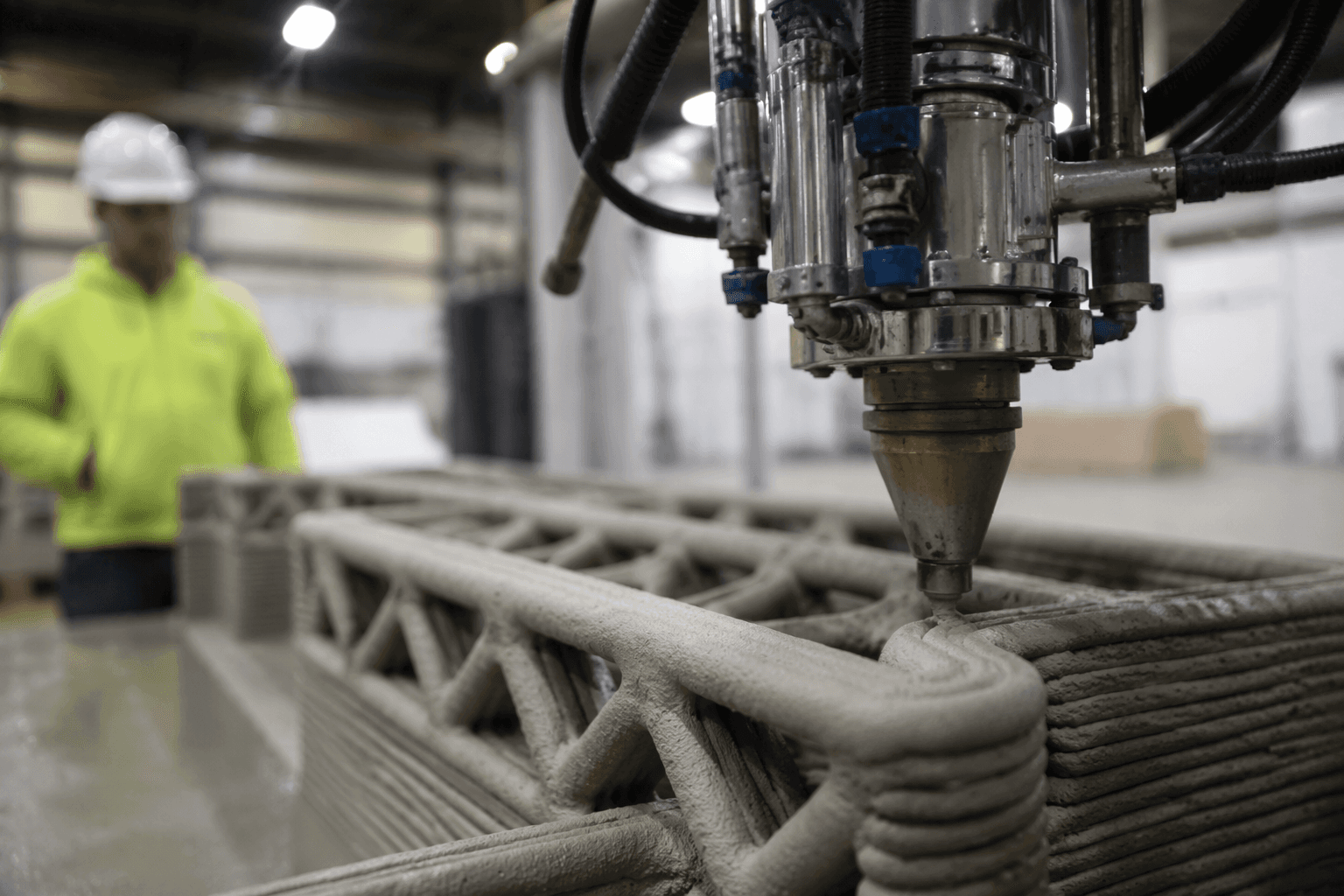
Branch Technology’s NASA win did not stay trapped in a competition trophy case. The Chattanooga company, which took first place with Foster + Partners in Phase 2, Level 3 of NASA’s 3D-Printed Habitat Challenge, is now applying that work through a cooperative agreement with NASA Marshall on commercial construction ideas that favor lighter, stronger, more efficient builds.
That is the useful part for anyone watching additive construction closely: the lesson is not simply “print bigger.” It is print smarter. NASA’s habitat challenge ran from 2015 to 2019, paid out a total of $2,061,023, and was designed to push additive construction for sustainable housing on Earth, the Moon, Mars, and beyond. The original brief was blunt about the end goal, build with resources available on-site, which makes the project as relevant to affordable housing on Earth as it is to deep-space missions.
Branch earned $250,000 for its Phase 2, Level 3 victory in August 2017 after a strength test at Caterpillar Inc.’s Edwards Demonstration and Learning Center in Peoria, Illinois. NASA also reported that Branch picked up $85,930 in an earlier 2017 compression-test stage. Those numbers matter because they show the company was not rewarded for a concept render. It was rewarded for performance under load, the same kind of reality check that separates a clever slicer profile from a part that survives on the machine.
By 2021, Branch had moved into a cooperative agreement with NASA’s Marshall Space Flight Center in Huntsville, Alabama, working with Foster + Partners and Stanford University. That effort included a model lunar habitat outfitted with autonomously produced interior walls, tools, ducting, furniture, and other components. In other words, the thinking has already moved past a single printed shell. It is now about a whole kit of parts that can be manufactured with less waste and assembled into something functional.
NASA Spinoff says Branch has taken its Freeform 3D Printing, also called Cellular Fabrication, into products such as wall panels and cladding. David Goodloe, who leads Branch Technology’s Advanced Concepts team and manages the company’s NASA collaborations, said the process removes a great deal of material that would otherwise be printed solid. That is the bridge hobby printers can actually use now: not lunar bases, but the same structural logic, less solid infill where geometry can do the work. The NASA challenge was about habitats, but the takeaway for builders on the bench is immediate: smarter material placement is already turning into real construction, one panel at a time.
This article was produced by Prism’s automated news system from verified source data, official records, and press releases, then run through automated quality and moderation checks before publishing. The system is built and supervised by the people who set the standards it runs under. Read our full AI policy.
Did this article answer your question?