ChaoXiLi AiScan O1 blends metrology and photorealistic 3D scanning in handheld form
AiScan O1 tries to make handheld scanning useful beyond demos, pairing blue-light MEMS capture with 0.03 mm metrology claims and photorealistic 3DGS in a 770 g unit.
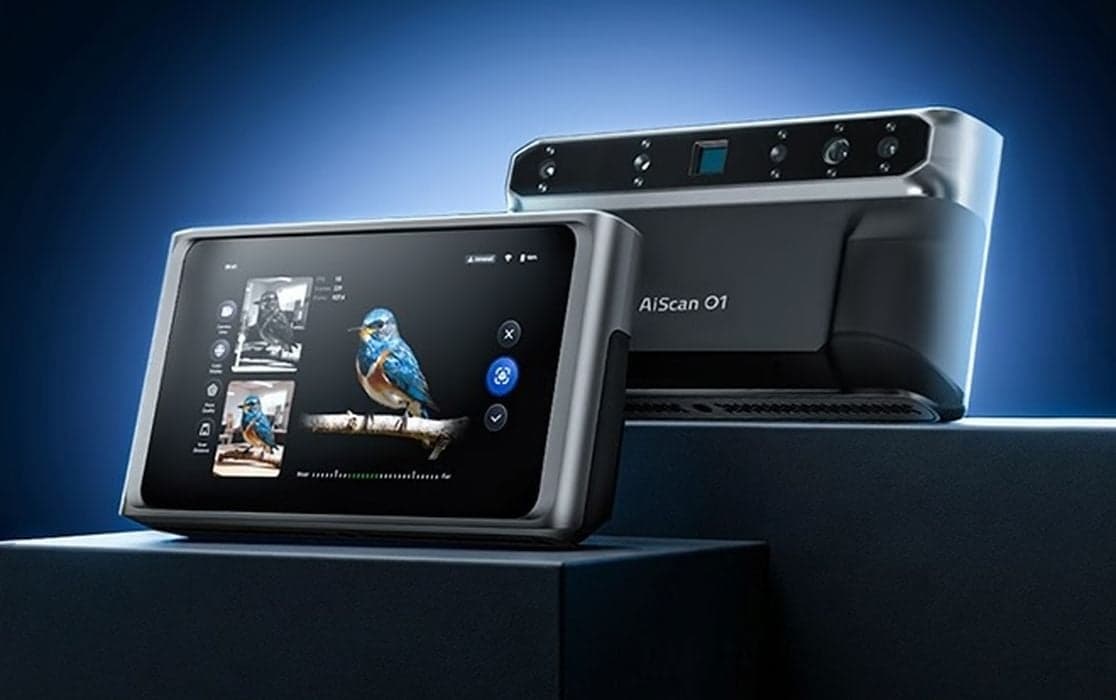
A broken appliance clip, a cosplay prop, or a hand-sculpted figurine is where ChaoXiLi’s AiScan O1 stops being a spec sheet and starts looking like a real tool. The handheld scanner is pitched as a way to capture both fit and finish in one pass, combining blue-light MEMS structured-light geometry capture with on-device 3D Gaussian Splatting, so the same unit can serve a repair job and a presentation-ready asset.
That matters because the hobbyist workflow has usually been split between accuracy and convenience. AiScan O1 is being positioned as a 770 g standalone device with an 8-core processor, 32 GB of RAM, a 7-inch 2K AMOLED touchscreen, and scan-edit-export processing built in. Launch materials say it is aiming for 0.03 mm metrological accuracy while also producing photorealistic 3DGS output, which is a meaningful pairing for makers who want a printable reference model, not just a rough shape.
The practical promise is less time spent fighting the scanner before the work even starts. ChaoXiLi says the system includes built-in AI meant to reduce manual parameter setup and prevent incomplete captures, the kind of issues that can turn a quick scan of a replacement clip into an evening of retakes. Fabbaloo’s Kerry Stevenson noted that the device is designed to handle both small and large area scans, which gives it a broader remit than scanners aimed only at reverse engineering or only at visual capture. That range is the whole point for 3D printing: capture the broken part, clean up the mesh, and move on to the printer without bouncing between multiple tools.
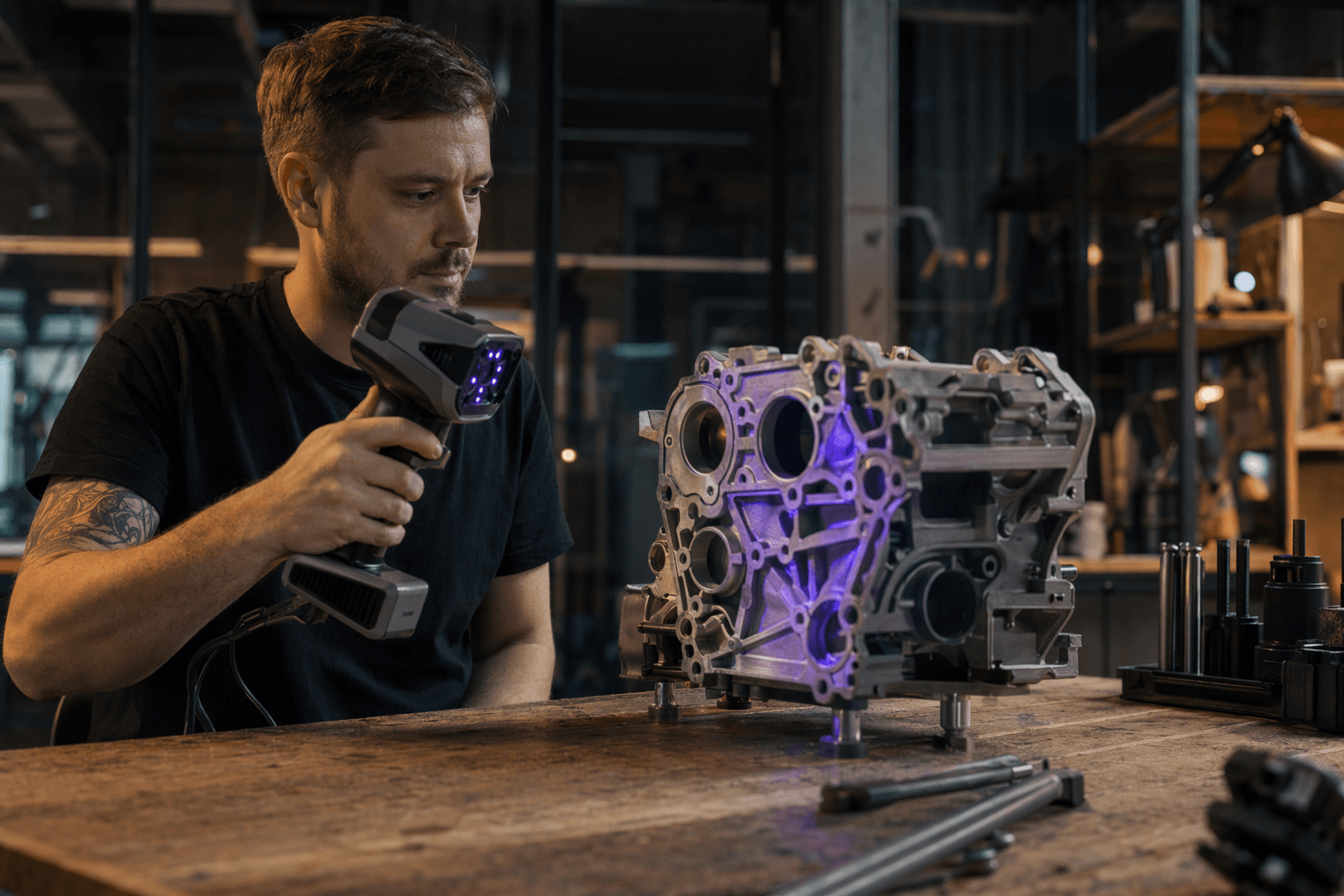
The technology underneath is also a signal of where handheld scanning is headed. 3D Gaussian Splatting is a relatively recent reconstruction and rendering method that has sped up novel view synthesis compared with earlier neural implicit approaches, and AiScan O1 is trying to fold that pipeline into hardware that fits in one hand. For hobbyists, that could mean a scanner that is not just a geometry catcher, but a bridge between dimensional work and photorealistic asset creation, especially when a figurine, prop, or prop detail needs to look right as well as measure right.
The timing fits a market that Grand View Research pegs at about USD 8.04 billion in 2025, with Research and Markets projecting USD 14.7 billion by 2034. ChaoXiLi’s own materials describe the company as a Chinese enterprise focused on AI sensor instruments, including AI acoustics and AI 3D vision, and its corporate page identifies as part of iFlytek. AiScan O1 is listed as launching soon on Kickstarter, but the bigger story is simpler: handheld scanning is starting to look less like a demo trick and more like a usable part of the maker bench.
This article was produced by Prism’s automated news system from verified source data, official records, and press releases, then run through automated quality and moderation checks before publishing. The system is built and supervised by the people who set the standards it runs under. Read our full AI policy.
Did this article answer your question?