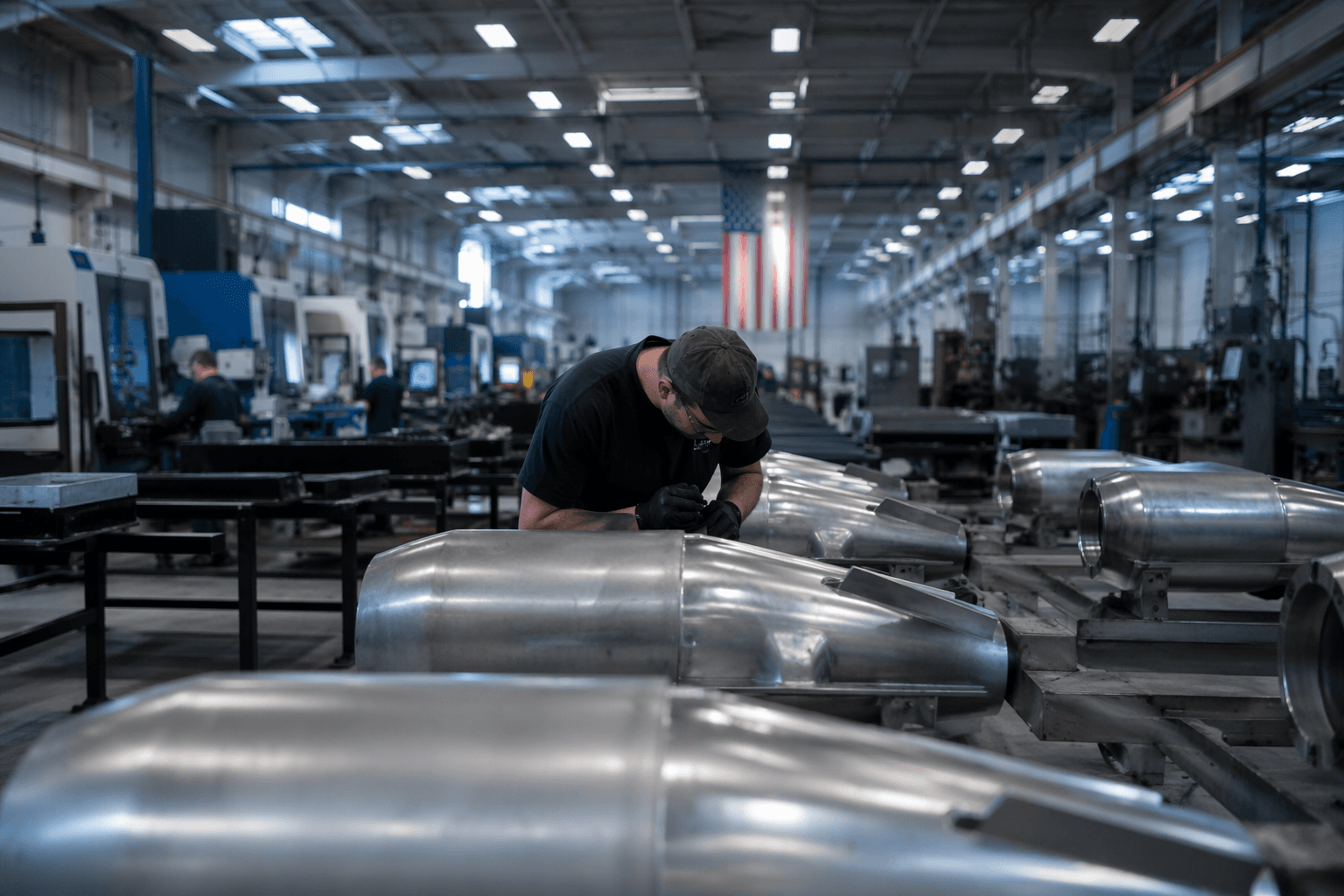
Conflux Technology 3D-Printed Oil Cooler Survives Full Endurance Race Distance
Conflux Technology's metal-printed transmission oil cooler delivered ~20% more heat rejection than the incumbent part, then survived a full endurance race distance on a Multimatic car.
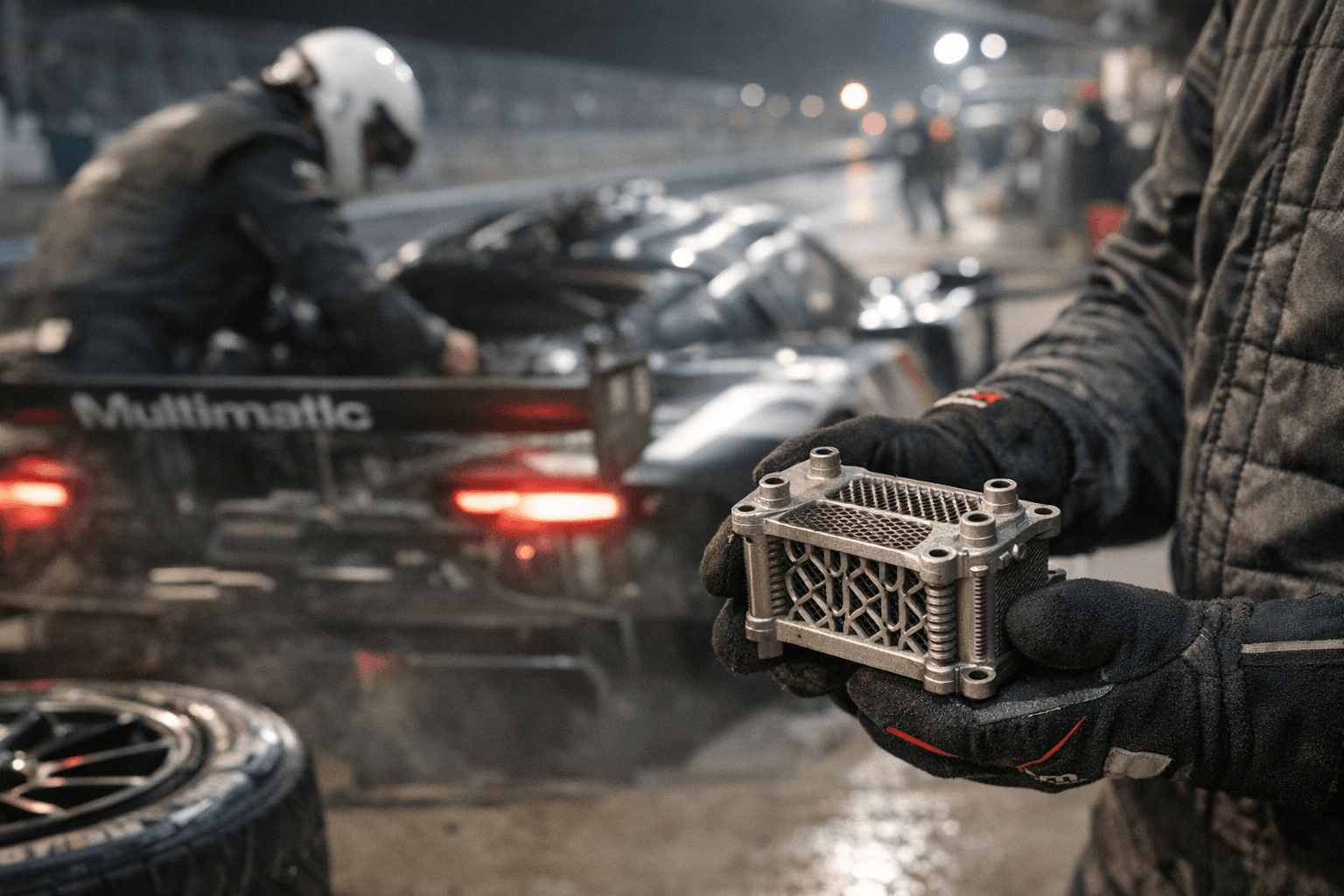
Conflux Technology's configurable, metal-printed transmission oil cooler completed a full-distance endurance race on a Multimatic-engineered car, rejecting approximately 20% more heat than the incumbent solution it replaced while fitting inside the exact same packaging envelope, with no added weight or aerodynamic penalty.
The Australian heat transfer specialist fabricated the cooler in just two weeks using metal additive manufacturing, adapting the unit from its configurable core platform to match the programme's specific boundary conditions. Rather than routing dedicated cooling lines, the design used engine coolant to manage gearbox oil temperatures within a shared water circuit, a compact integration that kept the installation footprint unchanged from the part it displaced.
Glenn Rees, Principal Engineer at Conflux Technology, framed the result in unambiguous terms. "Endurance racing is the ultimate test for any cooling system," he said. "We've shown that our configurable, 3D-printed technology can move from design to race car in weeks, deliver significantly improved performance, and still be trusted to reach the finish line in some of the world's toughest races."
The performance gain traces directly to the core's internal geometry. Conflux engineered highly optimised internal channels specifically to increase heat transfer while simultaneously controlling pressure drop, all within a compact, lightweight envelope. That channel architecture is the product of parametric heat-exchanger design: the company combines advanced simulation, AM design rules, and application-specific optimisation to produce geometries that would be impossible to manufacture by conventional means.
For Multimatic Motorsports, the decision to use Conflux's configurable platform meant gaining a race-proven solution without the cost and delay of a clean-sheet design. Julian Sole, Design Manager at Multimatic Motorsports, described what made the partnership work. "At Multimatic we look for partners who can combine innovation with robust delivery," Sole said. "The Conflux oil cooler, built from their configurable design and packaged efficiently in a very tight space, delivered the reliability we required over a full endurance race distance."
That configurability has direct commercial implications. Conflux's platform allows engineers to rapidly tune geometry for different gearboxes, layouts, and duty cycles, reducing non-recurring engineering costs and shortening programmes' time-to-track without trading away durability or consistency over long stints. According to 3DPrint, the configurable oil cooler architecture is now available for other OEMs and top-level race operations.
The endurance outing adds to Conflux's growing body of work supplying 3D-printed heat exchangers into motorsport and high-performance automotive programmes, with the company using that track record as a validation ground while it pursues broader targets in aerospace and industrial thermal systems. The specific race, circuit, chassis, and gearbox model have not been publicly disclosed by either Conflux or Multimatic.
This article was produced by Prism’s automated news system from verified source data, official records, and press releases, then run through automated quality and moderation checks before publishing. The system is built and supervised by the people who set the standards it runs under. Read our full AI policy.
Did this article answer your question?