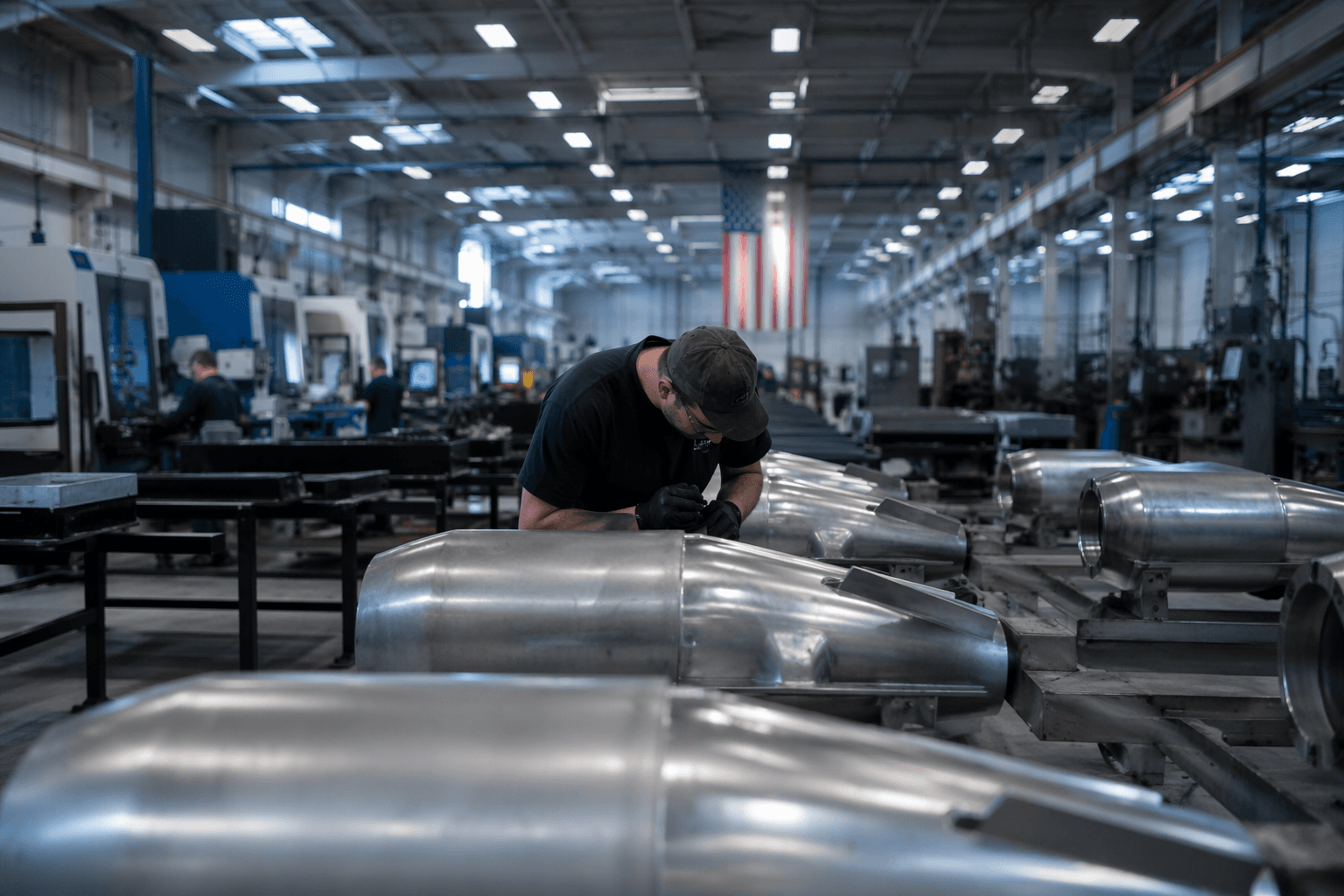
CSEM, LISI and Thales 3D-print stainless-steel pipe with integrated heating
CSEM led a European collaboration with LISI Aerospace AM and Thales Alenia Space to 3D-print a 150 mm, ~115 g stainless-steel pipe segment that includes integrated heating wires.
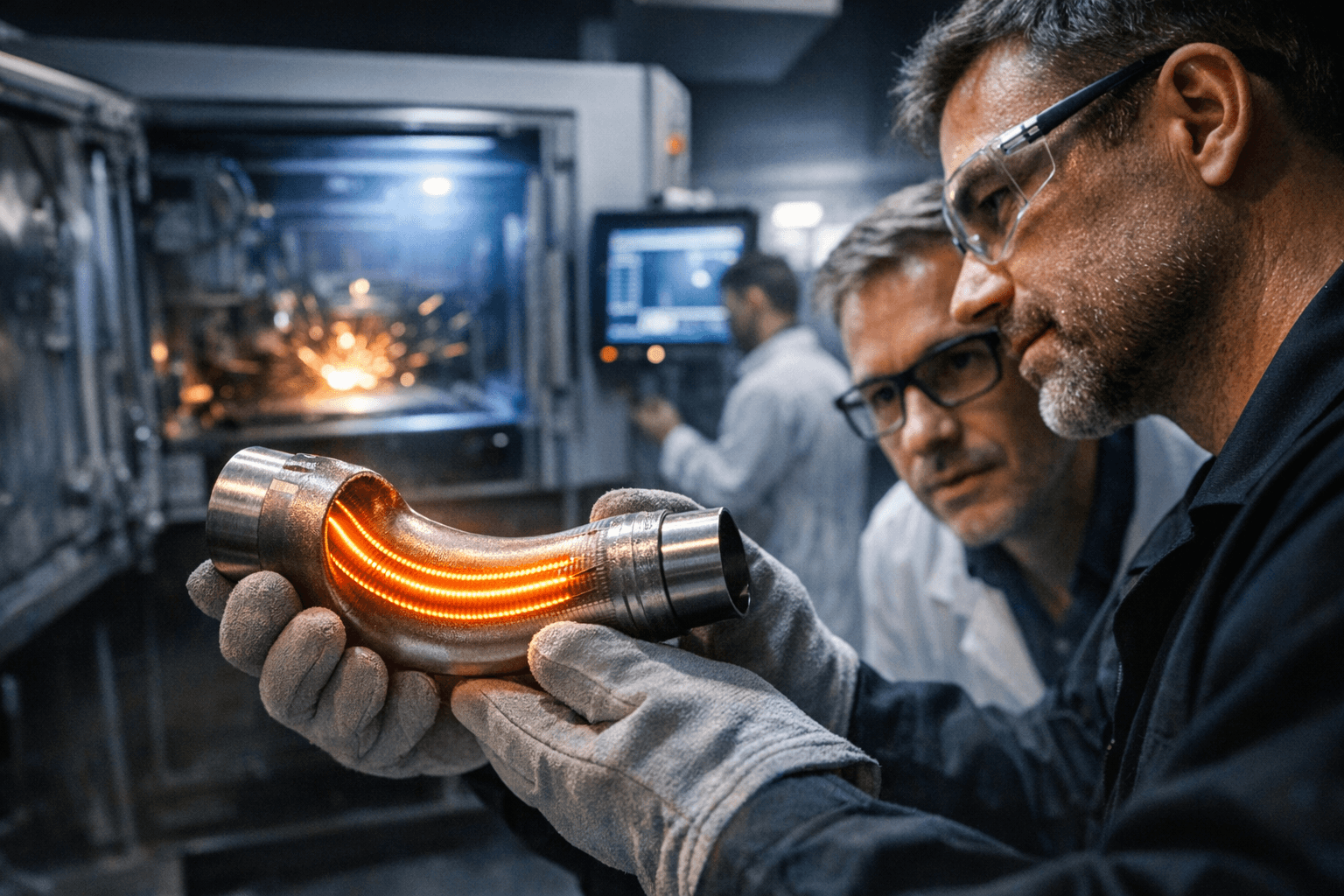
CSEM, working with LISI Aerospace Additive Manufacturing and Thales Alenia Space, produced a 150 mm-long stainless-steel pipe segment weighing approximately 115 g that contains integrated heating wires. The development, reported February 24, 2026, packs a heating function directly into a single printed metal component rather than into an added external blanket or separate heater assembly.
The part’s dimensions and mass, 150 mm long and about 115 g, are central to its pitch: a compact, metal-printed pipe with internal heating capability that could fit into constrained assemblies. CSEM described the piece as a proof of concept for embedding active elements during the additive build, and the involvement of LISI Aerospace Additive Manufacturing signals work done to aerospace tolerance expectations.
LISI Aerospace Additive Manufacturing’s role indicates the project used aerospace-focused additive workflows while Thales Alenia Space’s participation ties the effort to space-sector requirements. The partners intentionally combined CSEM’s research capabilities, LISI’s aerospace AM experience, and Thales Alenia Space’s systems knowledge to validate printing a functional stainless-steel segment with wiring integrated during fabrication.
Embedding heating wires into a stainless-steel printed pipe changes the part’s functional architecture: the heating element becomes part of the structural component rather than a separately installed subsystem. For a 150 mm, ~115 g pipe, that integration can alter routing, mass budgets, and assembly steps in tight builds where LISI Aerospace AM and Thales Alenia Space typically operate.
The February 24, 2026 announcement closes a technical cycle for this prototype and opens practical questions for adoption: how will manufacturing repeatability, electrical connections, and thermal cycling be validated across production runs? CSEM’s leadership in the collaboration suggests further testing and scaling will remain in Swiss labs and partner facilities, with LISI Aerospace Additive Manufacturing and Thales Alenia Space positioned to evaluate the concept against aerospace and space-system acceptance criteria.
This project illustrates a compact, concrete example of multi-company additive engineering: a stainless-steel, 150 mm pipe, roughly 115 g, printed with integrated heating wires by CSEM in partnership with LISI Aerospace AM and Thales Alenia Space. If subsequent testing confirms durability and integration benefits, that single printed piece could shift choices about how heaters and structural conduits are combined in specialized aerospace and space applications.
This article was produced by Prism’s automated news system from verified source data, official records, and press releases, then run through automated quality and moderation checks before publishing. The system is built and supervised by the people who set the standards it runs under. Read our full AI policy.
Did this article answer your question?