Deep learning spots 3D print defects before jobs fail
New papers show camera-based AI catching under-extrusion, layer shifts and spaghetti in real time, with one model hitting 91.7% mAP50 at 71.9 fps.
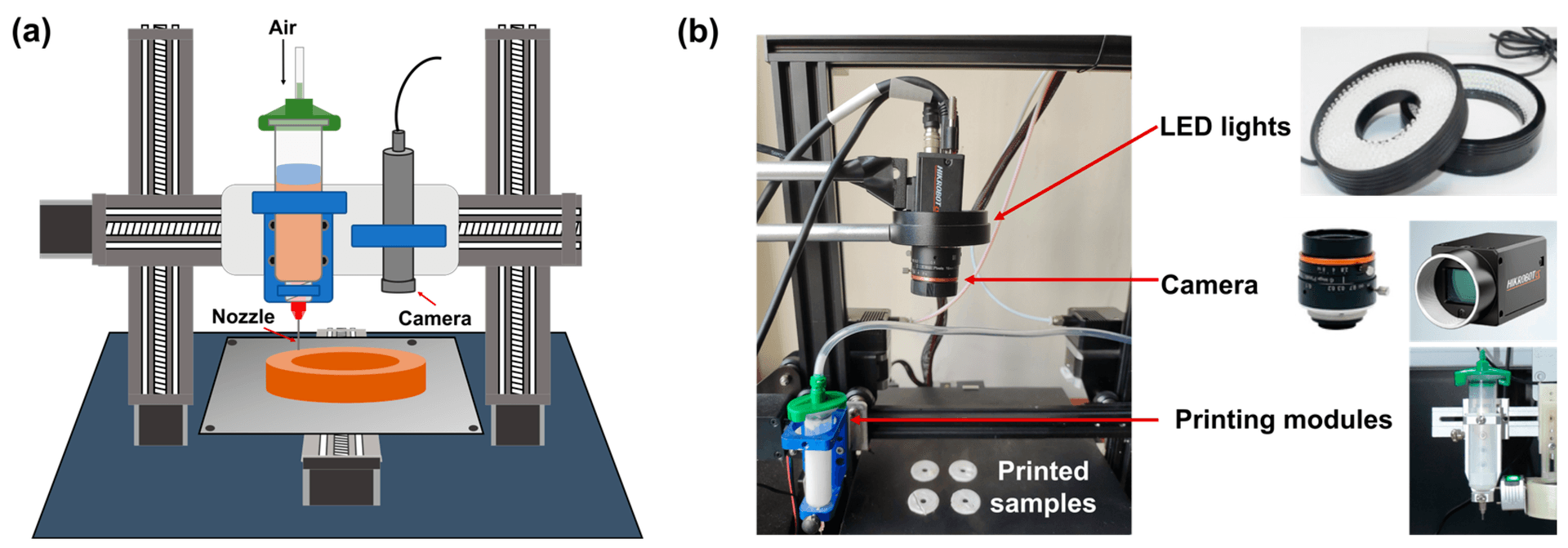
A 2024 Micromachines study pushed real-time defect detection in additive manufacturing to 91.7% mAP50 at 71.9 frames per second, a speed that matters only if the system can still see a bad layer while the printer is laying it down. That is the promise now emerging across 3D-printing research: let a convolutional neural network watch each layer as an image, and it can flag under-extrusion, delamination, layer shifts, wandering strands, or the first signs of spaghetti before the whole build is gone.
The biggest shift is not just accuracy. It is practicality. The 2025 Springer work on material extrusion described a real-time dual-camera defect-detection system on a low-cost embedded platform, which points straight at the hardware hobbyists already own or can add cheaply. Most consumer and prosumer printers already ship with cameras, and even barebones machines can be retrofitted with one. That makes camera-based inspection far more reachable than 3D scanners or CT-style inspection, especially for print farms and small shops that want quality control without stopping every job to babysit the first few layers.
The deeper research arc stretches back to Nature Communications in 2022, where a generalisable error-detection and correction system used a multi-head neural network plus a control loop. That project drew on 1.2 million images from 192 different parts and was designed to work across many geometries, materials, printers, toolpaths, and even extrusion methods. In other words, the field has been moving from simple spaghetti-style alarms toward learned visual features that can recognize messy real-world failures instead of relying on hand-tuned rules.
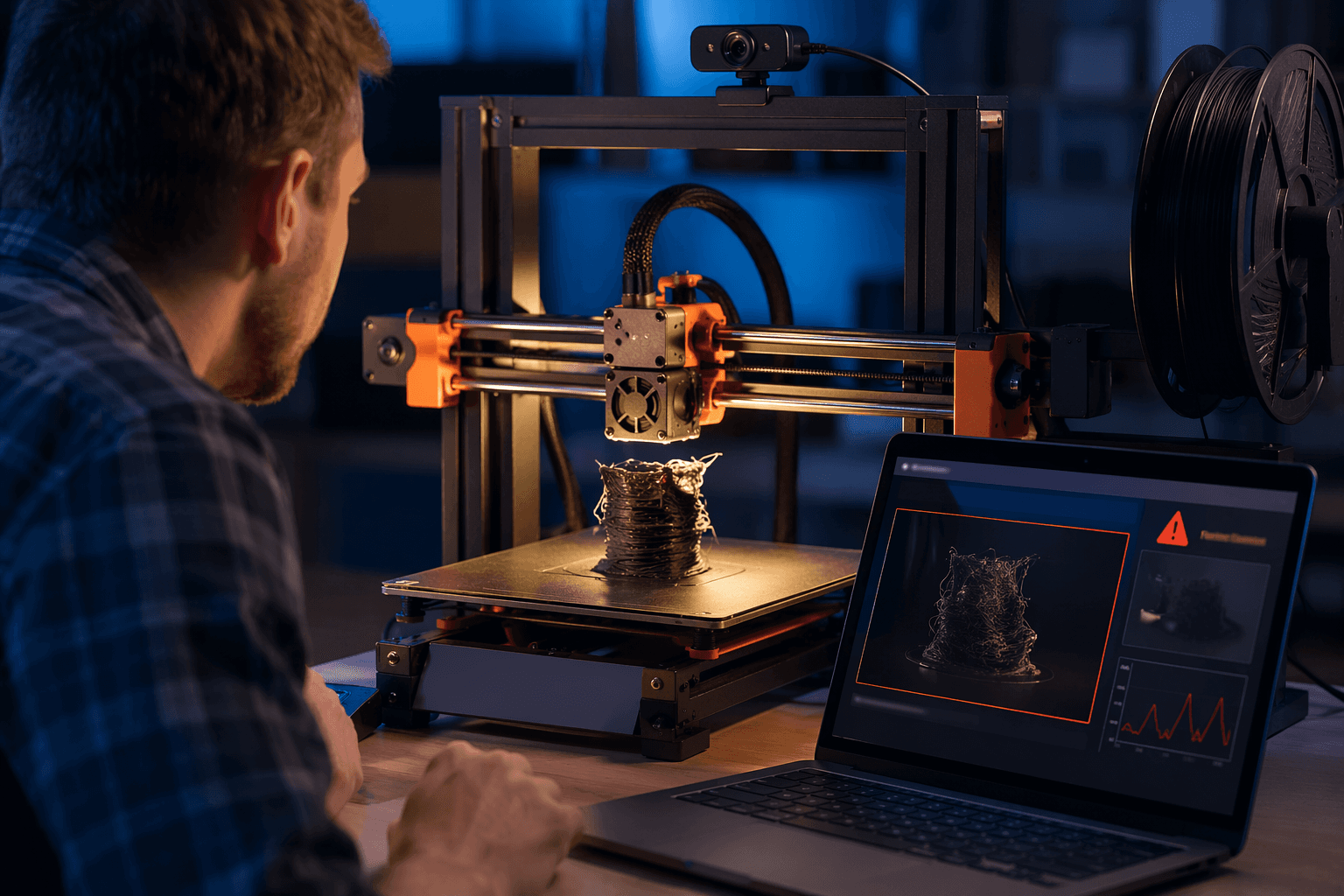
That broader push matters because the value case is obvious: every failed overnight print wastes filament, machine time, and the kind of patience no slicer can replace. Reviews now frame defect detection as important in aerospace, automotive, and healthcare, where bad parts carry far more than hobby frustration. The sticking points are just as clear. Labeled defect datasets are hard to build because failures are rare and expensive to annotate, and camera systems can be thrown off by lighting, lens quality, print orientation, surface color, and printer-to-printer differences. A model that works on one machine or one filament may not transfer cleanly to another, and some setups could still need a desktop GPU to run inference fast enough.
Even with those limits, the direction is hard to miss. The newest systems are not just spotting a bad print after the fact. They are moving toward pausing the job, alerting the user, or adjusting parameters while the part is still salvageable, which is exactly where camera-driven automation starts saving real money and real late-night rescue missions.
This article was produced by Prism’s automated news system from verified source data, official records, and press releases, then run through automated quality and moderation checks before publishing. The system is built and supervised by the people who set the standards it runs under. Read our full AI policy.
Know something we missed? Have a correction or additional information?
Submit a Tip