DEEP Manufacturing and Fortius Metals target production-scale multi-material WAAM
DEEP and Fortius are pushing multi-material WAAM toward production, starting with test samples before a smaller cylinder and a main build expected in July 2026.
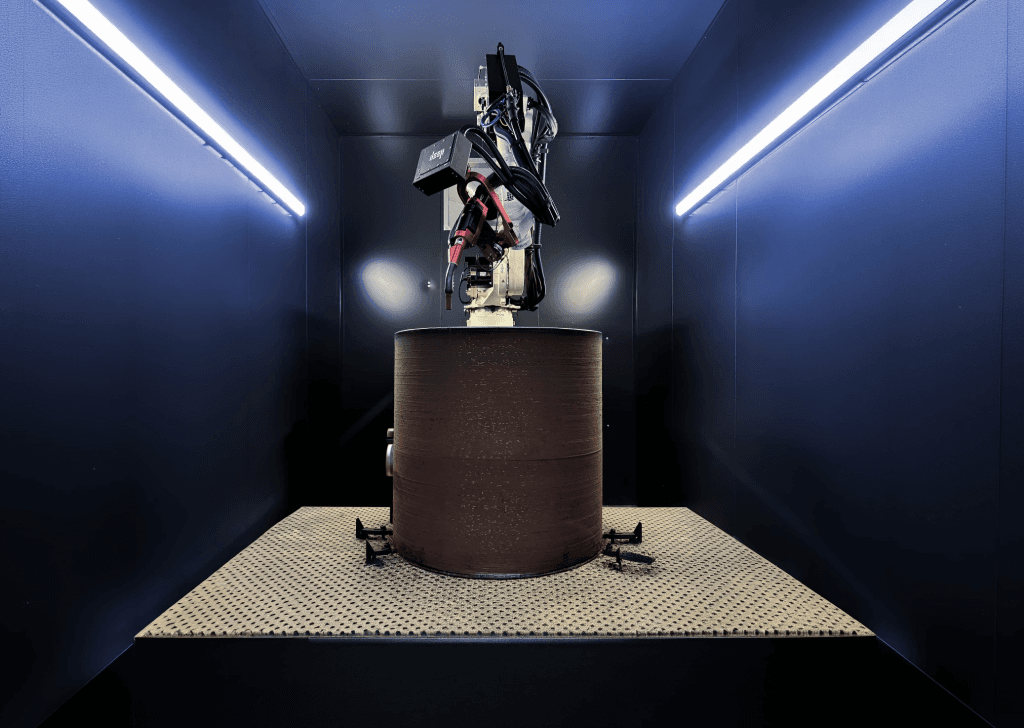
A metal print that can change alloys inside the same build is more than a lab trick, and DEEP Manufacturing and Fortius Metals are trying to prove it at real scale. Their new multi-material wire arc additive manufacturing project centers on a complex metal cylinder and pairs DEEP’s synchronized multi-robot WAAM platform with Fortius’ simulation, toolpath design, and welding-wire development.
The first step is deliberately cautious: test samples, then a smaller cylinder, and only after that the main build expected in July 2026. That sequence matters for anyone watching large-format metal printing, because the hard part is not just laying down metal. It is keeping heat, distortion, and layer behavior under control closely enough that a part prints the same way twice. DEEP has already pointed to thermal distortion and toolpath generation as major barriers, and Fortius is adding a materials and modeling layer aimed at making those variables predictable.
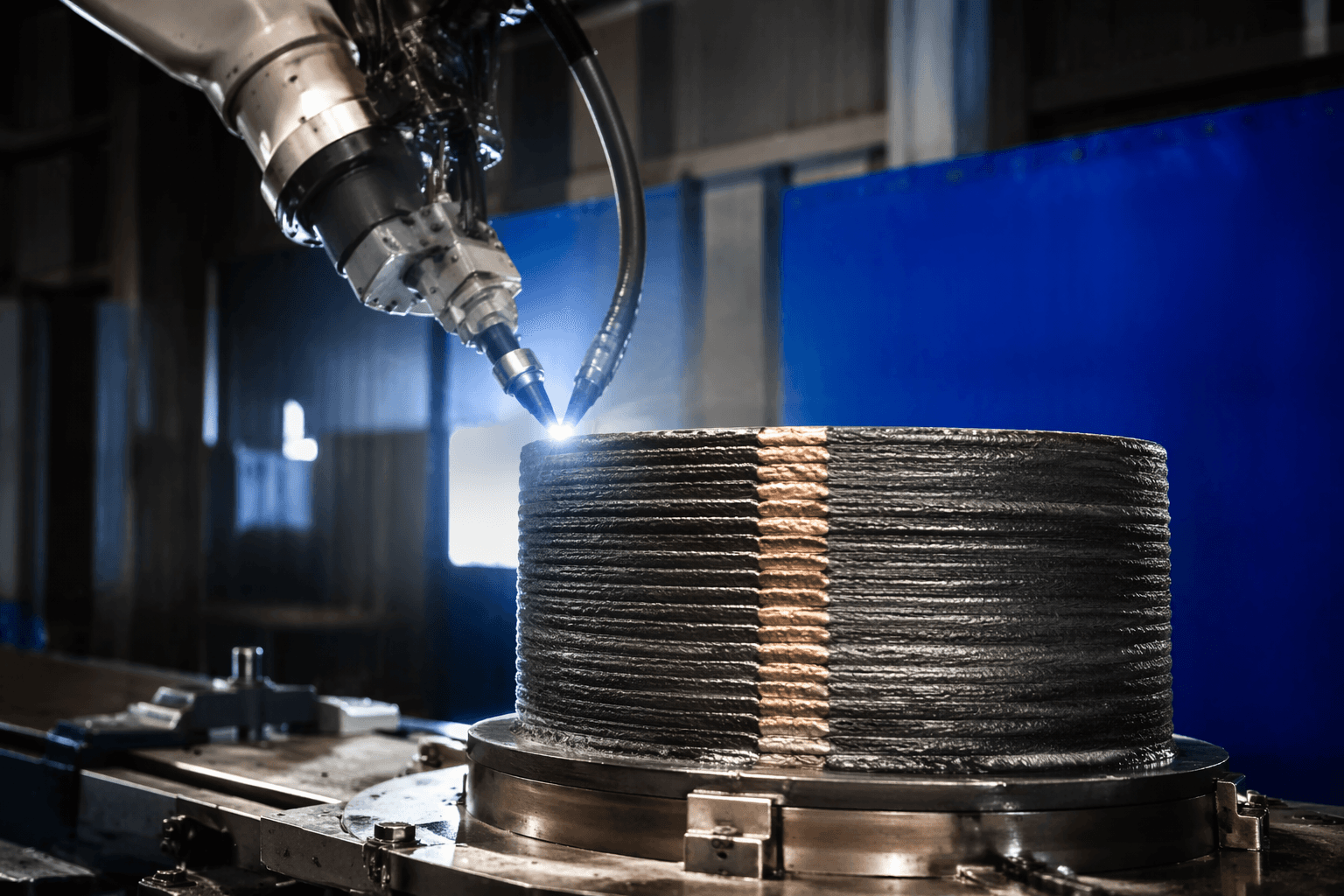
DEEP’s scale gives the project some weight. The company launched in January 2025 after R&D tied to underwater pressure vessel needs, and it says it runs 20 DED-arc systems at its Advanced Manufacturing Centre of Excellence. DEEP says each robotic WAAM system can produce metal parts up to 3 meters in diameter, while its six-arm synchronized setup is built for parts as large as 6.2 meters in diameter and 3.2 meters high. That kind of hardware is what makes multi-material printing interesting beyond shipyards and factories: if different zones of one part can be built with different alloys, design choices start to look less like compromises and more like deliberate placement of properties where they are needed.
Qualification is part of the story too. DEEP says it received DNV Approval in Principle on February 14, 2025 for WAAM production of steel pressure vessels for human occupancy, then full Approval of Manufacture on September 24, 2025 for pressure vessels, pressure vessels for human occupancy, and hull structures and equipment. The company says it is the only DED-Arc provider globally with Approval of Manufacture for steel pressure hulls, hull structures and equipment, and pressure vessels for human occupancy. That certification work is the backdrop for why this collaboration is being treated as engineering validation, not a demo piece.
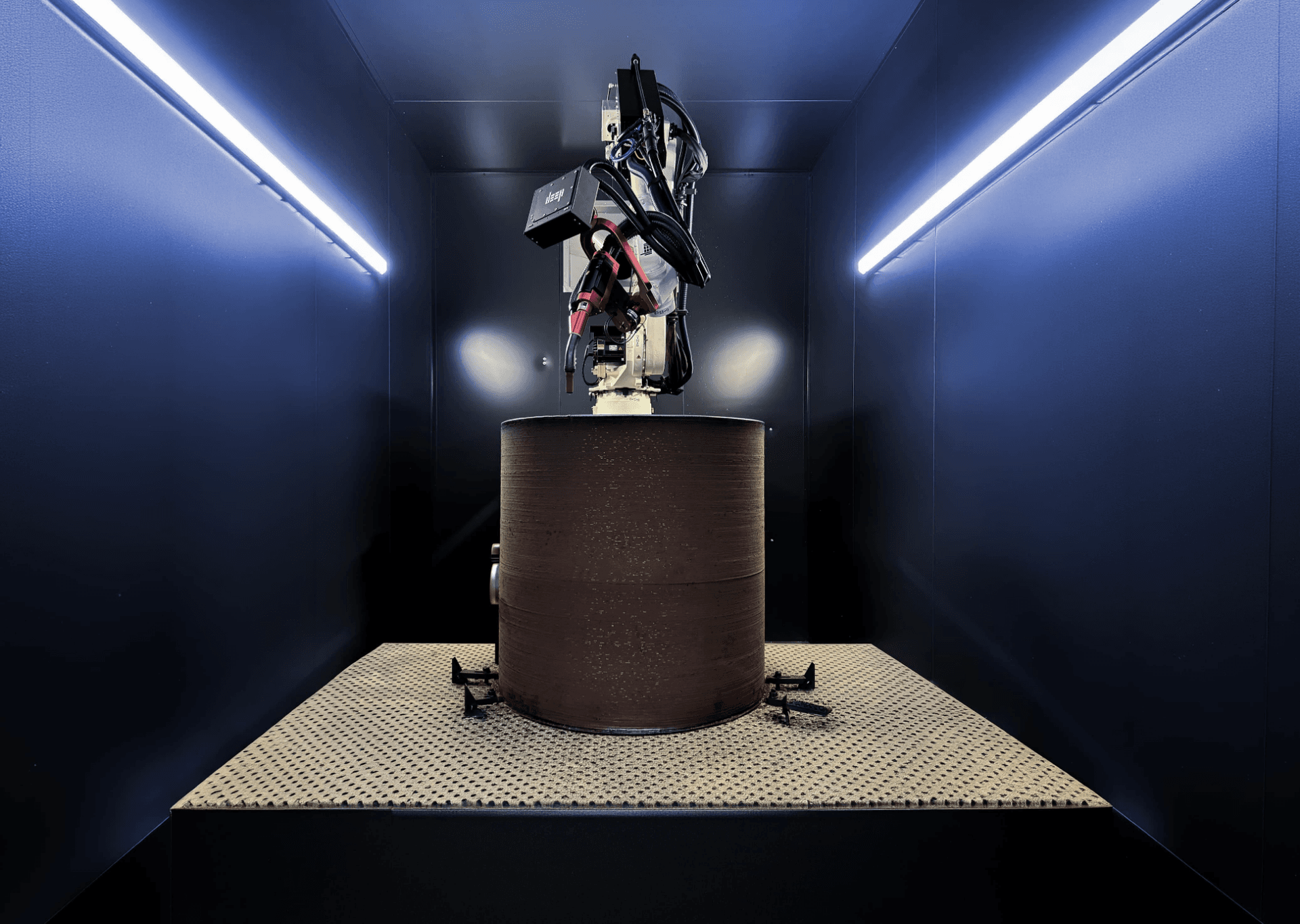
Fortius brings the wire side of the equation. The company develops welding wire for large-format metal 3D printing and robotic welding, including alloys meant to address hot tearing and hot cracking in 1xxx, 2xxx, 6xxx, and 7xxx aluminum families. Fortius, spun out of Elementum 3D technology, lists Jeph Ruppert as CEO and Nick Bagshaw, PhD as CTO. Its business case already extends into demanding industrial markets, and DEEP’s Houston facility shows where the production ambitions are headed, with more than 50,000 square feet on a 3.2-acre site, heavy-lift cranes, four WAAM systems installed, and carbon steel and Inconel 625 in use now.
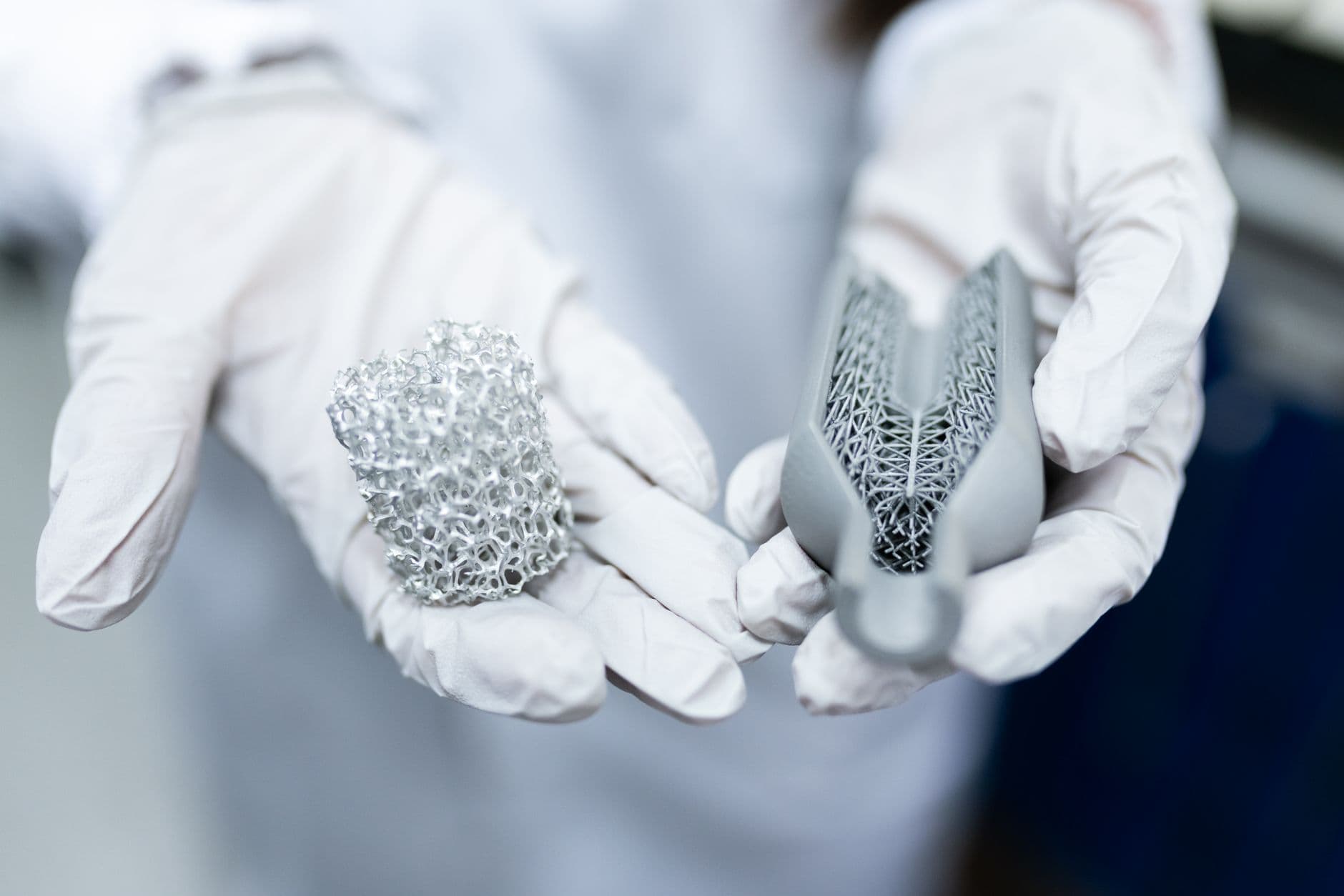
If the cylinder program works, the real takeaway is not just bigger metal parts. It is a glimpse of how future printed hardware may mix strength, corrosion resistance, and thermal behavior inside one build, the kind of capability that could eventually set expectations far beyond pressure vessels and into the broader metal printing world.
This article was produced by Prism’s automated news system from verified source data, official records, and press releases, then run through automated quality and moderation checks before publishing. The system is built and supervised by the people who set the standards it runs under. Read our full AI policy.
Know something we missed? Have a correction or additional information?
Submit a Tip