DEEP Manufacturing Gains ISO 45001, Signalling Safer WAAM for Safety-Critical Parts
DEEP Manufacturing earned ISO 45001 certification on Jan 14, 2026, strengthening WAAM production safety and boosting confidence for safety-critical metal AM parts.
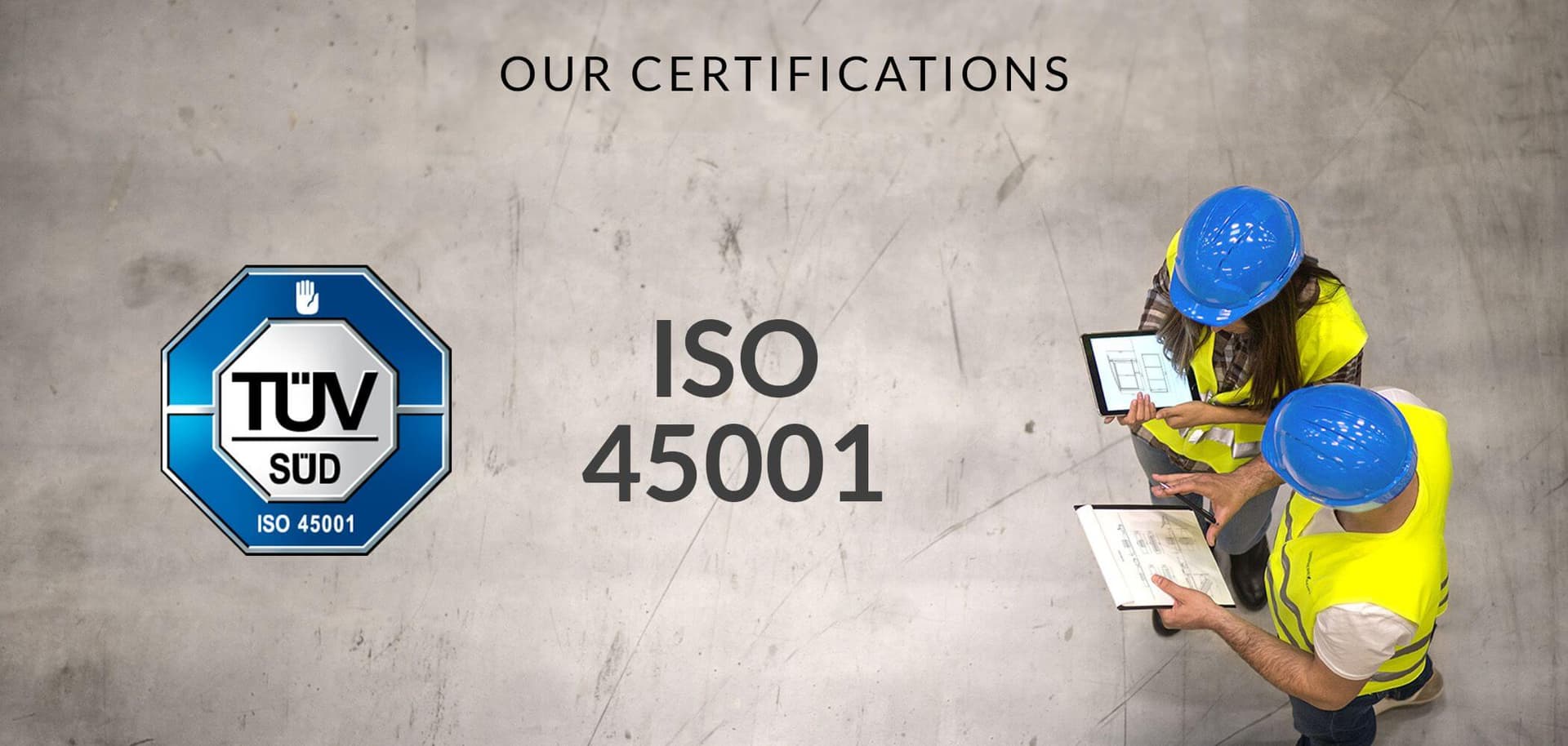
DEEP Manufacturing of Bristol has secured ISO 45001 occupational health and safety certification, a step that tightens operational controls as the company scales wire arc additive manufacturing (WAAM) for safety-critical sectors. The certification was awarded on January 14, 2026 and applies to the company’s WAAM Advanced Manufacturing Centre, which serves offshore, maritime, energy, aerospace and defence customers.
ISO 45001 recognises DEEP’s formal OH&S policy, documented risk assessment procedures, emergency planning and a framework for continuous improvement. That suite of requirements gives buyers and supply chain managers a clearer signal that DEEP is managing workplace hazards and documenting controls as it ramps up large-scale metal AM builds. For a technology like WAAM, where part size, heat input and post-process handling create different operational risks compared with powder bed processes, formalised OH&S systems matter for repeatability and traceability.
The certification complements DEEP’s existing Approval of Manufacture (AoM) for its directed energy deposition (DED) technology. Together, the AoM and ISO 45001 align process qualification and occupational safety credentials, which can simplify technical reviews during procurement and support discussions with certifying authorities and integrators that specify safety-critical components.
For engineers specifying metal AM, procurement officers and workshop managers, the practical value is immediate. ISO 45001 provides a documented framework to assess supplier readiness beyond metallurgical test data and dimensional tolerances. Verify a supplier’s OH&S policy, review their risk assessments for large-scale WAAM cells, and check emergency planning and continuous improvement records as part of qualification packs. Those elements now sit alongside process approvals such as an AoM when qualifying a WAAM source for structural or critical-service parts.
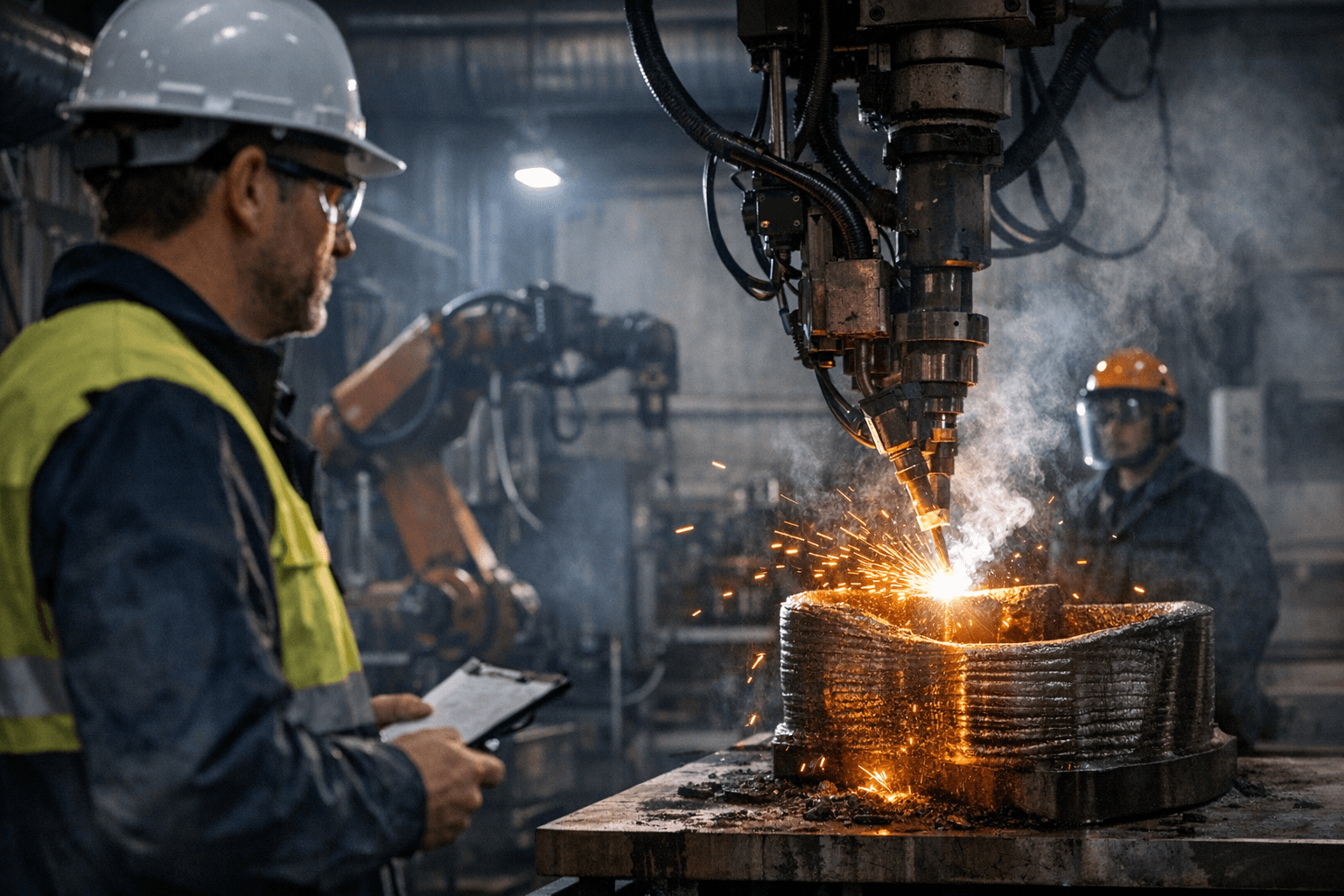
The move also matters to the local manufacturing ecosystem in Bristol and to broader metal AM supply chains. A certified WAAM centre reduces project-level uncertainty when parts are destined for regulated industries, and it creates a stronger baseline for workforce safety as more facilities adopt arc-based deposition at scale.
Expect ISO 45001 to become a more common checkbox for metal AM providers pursuing large contracts or entering regulated sectors. For practitioners and specifiers, the next step is to translate that system-level assurance into demonstrated process control, part-level evidence and documented post-processing to satisfy engineering and regulatory requirements.
Know something we missed? Have a correction or additional information?
Submit a Tip