Eurobearings cuts repair waste 90% with Meltio metal printing
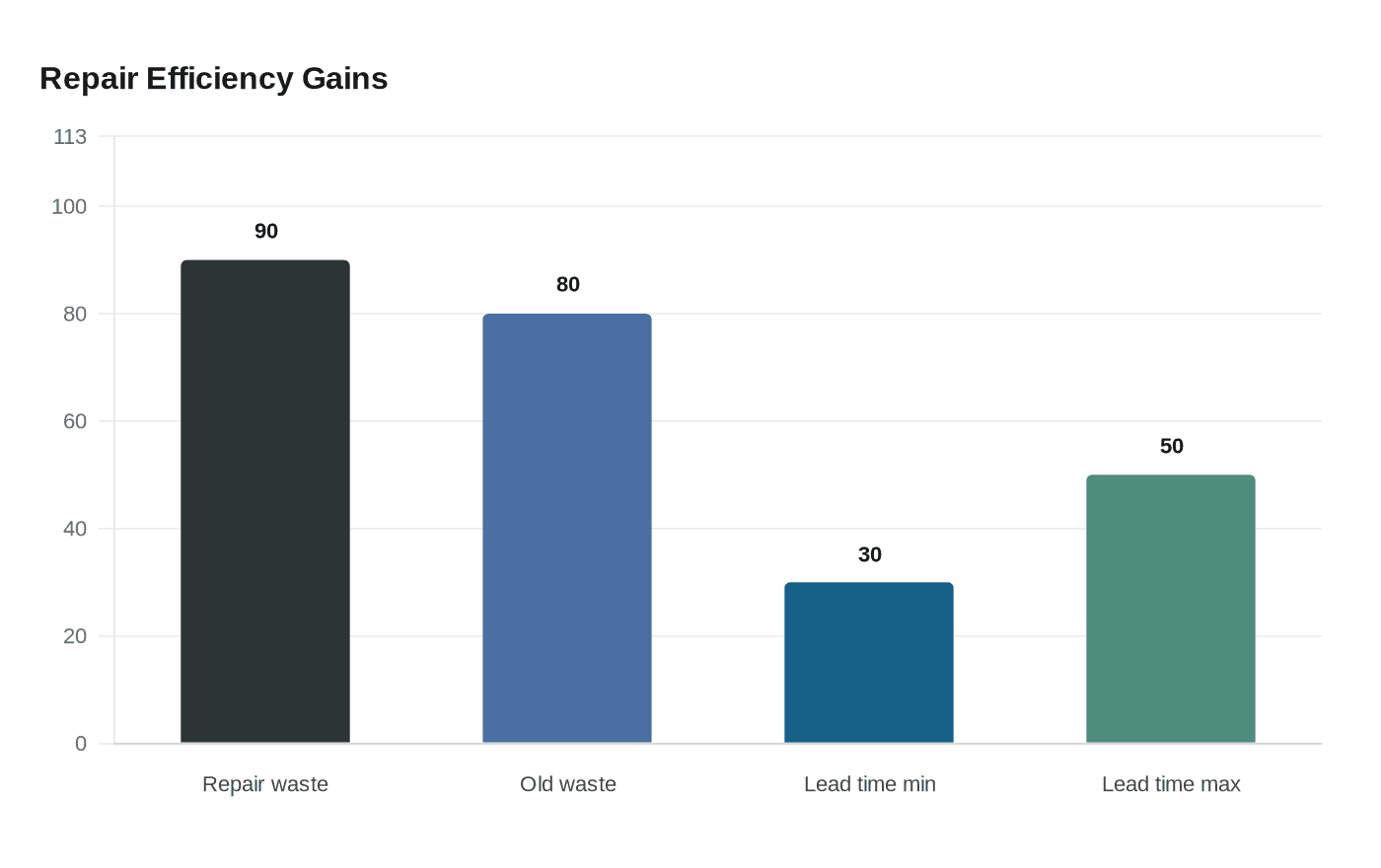
Eurobearings says Meltio metal printing cut repair waste by 90%, turning worn bearing work from block-machining into a faster, add-only rebuild.
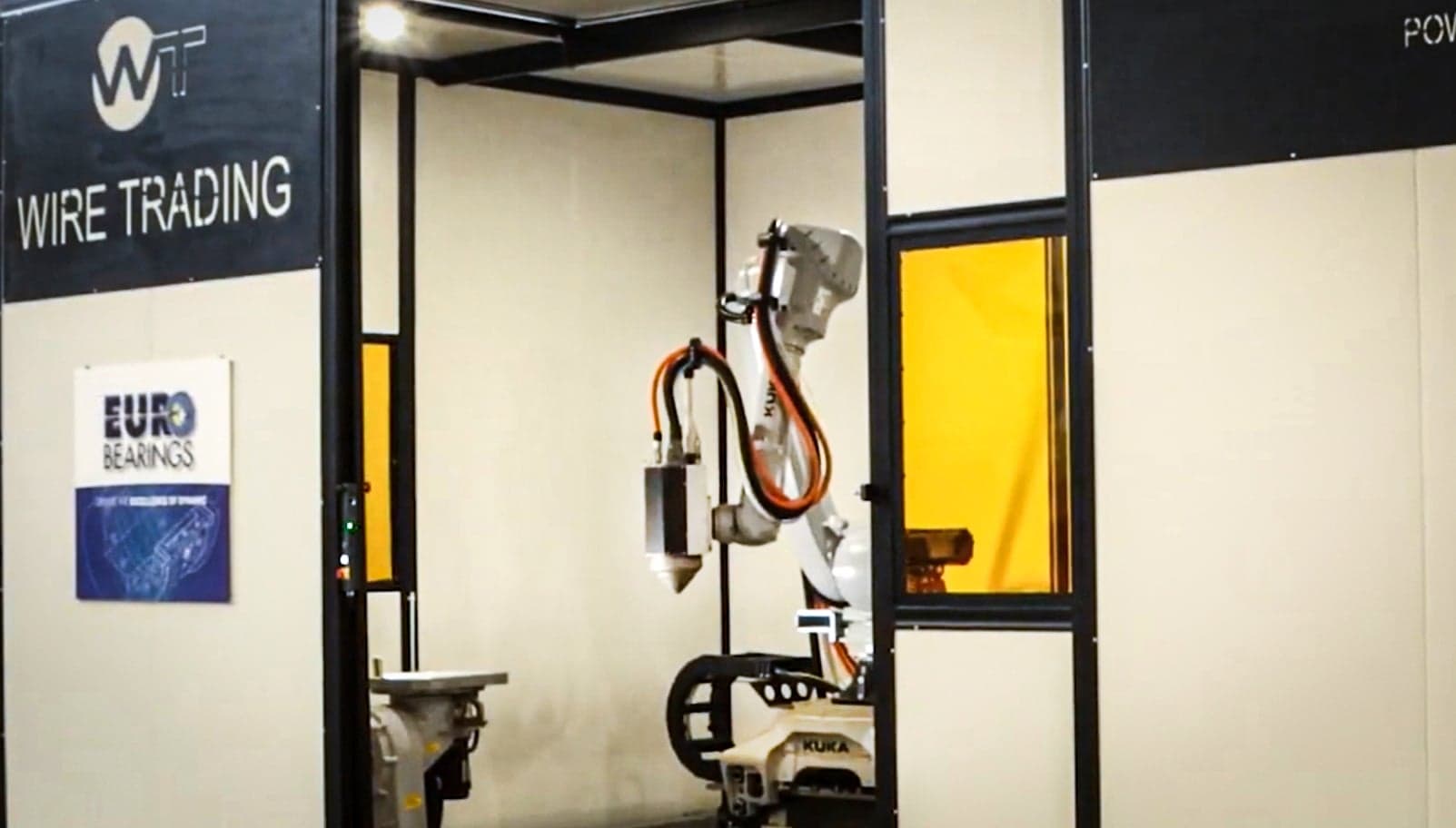
A 90% drop in repair waste is the kind of number that gets your attention fast, and Eurobearings says Meltio’s metal printing setup delivered exactly that. For a company that has spent nearly 30 years rebuilding critical bearings in Cortemaggiore, Italy, the payoff is not just cleaner production. It is faster recovery when a massive part wears out and the clock is already running.
Eurobearings was founded in 1996 and specializes in white metal sliding, thrust and combined bearings for demanding industrial equipment. That work used to depend on casting or machining from solid metal blocks, a subtractive process that Meltio says could waste as much as 80% of the starting material. When you are dealing with oversized parts for turbines, turbo and hydrogenerators, and other heavy-industry machinery, that means a lot of chips, offcuts and scrap before a usable component ever leaves the shop.
The new setup changes the whole logic of the job. Eurobearings installed the Meltio Engine Robot Integration with a KUKA industrial robot mounted on a mobile gantry, giving the shop a larger working envelope for big parts and removing some of the old size limits. Meltio says the system uses directed energy deposition to place babbitt and other alloys directly onto parts, so worn sections can be rebuilt instead of scrapped. In practical terms, that turns additive manufacturing into a repair tool, not just a way to make new components.
The time savings are just as important as the material savings. Meltio says lead times for complex components fell by 30% to 50%, and the near-net-shape approach sharply cuts raw material use. For operators of rotating equipment, that matters because downtime on turbines and cement mills is immediately expensive. A failed bearing can idle an entire line, and waiting weeks for a replacement or subcontracted repair is a costly way to lose production.
That is the real lesson here for anyone who follows 3D printing closely: metal additive is moving beyond novelty parts and into salvage, rebuilds and production rescue work. Eurobearings is treating the printer as a maintenance asset, one that helps keep existing hardware alive longer and reduces the need to start from a solid block every time. For a shop that lives and dies by turnaround time, that is not a lab demo. It is a better way to get machines back in service.
This article was produced by Prism’s automated news system from verified source data, official records, and press releases, then run through automated quality and moderation checks before publishing. The system is built and supervised by the people who set the standards it runs under. Read our full AI policy.
Did this article answer your question?