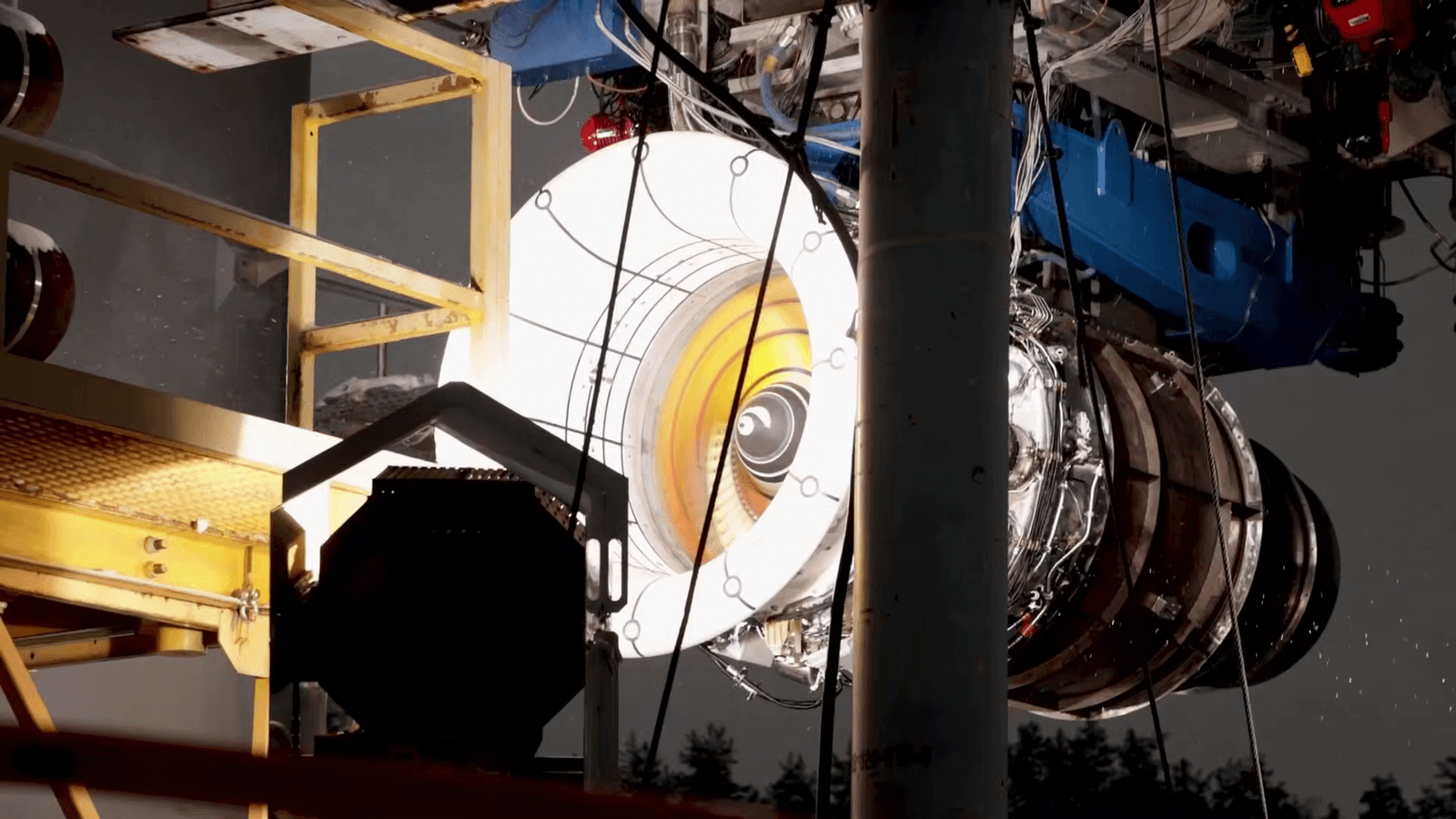
Farsoon expands open materials lineup with three industrial polymers
Farsoon added three industrial powders to its open platform, including a carbon-fiber PEKK and a flame-retardant material certified for FAR 25.853. It also showed a PEBA workflow that can print a pair of shoes in about 12 minutes.
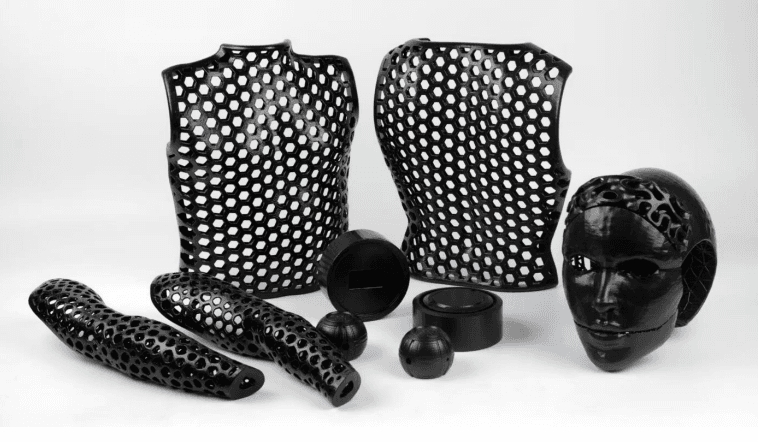
Farsoon widened the case for open material systems with a three-polymer expansion that pushes its industrial LPBF platform beyond machine sales and deeper into repeatable production. The company added HT-23, a PEKK-based powder reinforced with carbon fiber, PA 850 Black, a bio-based polyamide, and FR-106, a flame-retardant material that passes the FAR 25.853 60-second vertical burn requirement.
The new powders were qualified through Advanced Laser Materials, the laser sintering materials provider based in Temple, Texas, and Farsoon said the materials run on its 1001P, 601P, 403P, and 252P systems. That spread matters because it gives users more room to match build volume, thermal demands, and application needs without being locked into a single material path. Farsoon also said users can run qualified third-party materials and fine-tune processing parameters on its open material platform, a reminder that the company is selling a workflow as much as a printer.
That approach fits Farsoon’s broader identity. Founded in 2009 and headquartered in Changsha, China, the company has built its name as a global supplier of industrial polymer and metal LPBF systems. The latest materials announcement, published on March 17, 2026, reinforced that strategy by emphasizing compatibility, parameter control, and application-specific tuning rather than a closed material stack. In a market where aerospace, transportation, and industrial users often care as much about certification and repeatability as they do about raw throughput, those details can be the difference between a demo part and a production program.
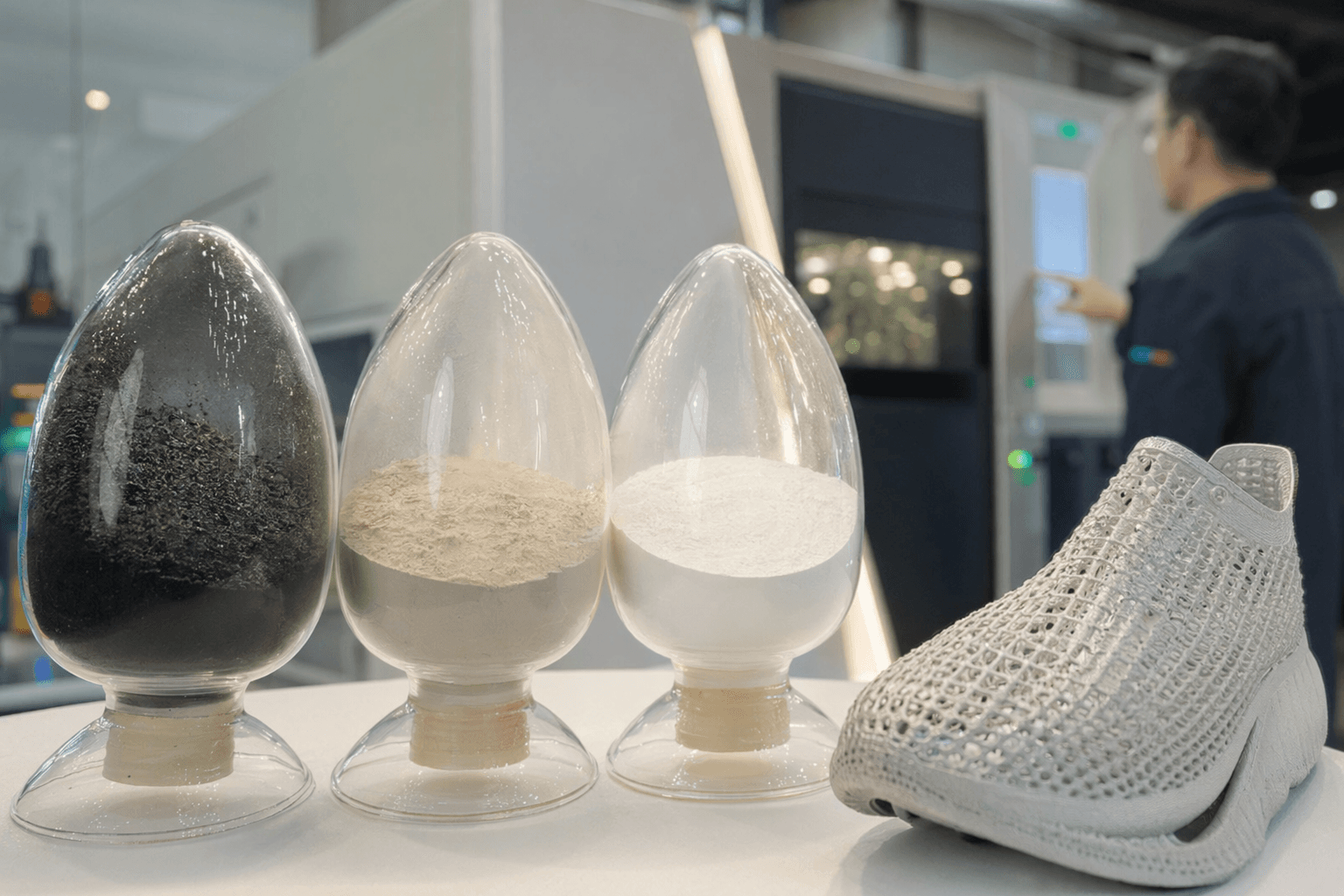
The second half of the announcement pointed in a different direction, toward consumer-adjacent production with real speed. Farsoon presented an SLS process for PEBA aimed at flexible applications in robotics and sports equipment, and it framed the workflow for TCT Asia 2026. The process uses two steps: first the part is 3D printed, then it is physically foamed, driving density down and creating lightweight structures with energy return.
Farsoon highlighted applications in auxetic lattice structures, robotics collision systems, and custom footwear, and one report said the workflow could produce a pair of shoes in about 12 minutes without injection-molding tooling. That kind of turnaround shows why the PEBA story lands beyond materials nerds: it points to short-run manufacturing that can move from design file to wearable part fast enough to matter. For Farsoon, the message is clear. The next phase of additive manufacturing is not just better printers, but approved materials, defined process windows, and production methods that make new categories commercially practical.
This article was produced by Prism’s automated news system from verified source data, official records, and press releases, then run through automated quality and moderation checks before publishing. The system is built and supervised by the people who set the standards it runs under. Read our full AI policy.
Did this article answer your question?