Flashforge launches desktop wax 3D printer for jewelry at JCK Las Vegas
Flashforge put a desktop wax printer in front of jewelers at JCK Las Vegas, pitching a faster way to keep casting patterns in-house.

Flashforge used JCK Las Vegas to push a cleaner fix for a stubborn jewelry workflow: desktop wax patterns for casting, without the footprint and complexity of a larger production system. The company called the WJ51C the world’s first desktop wax 3D printer for jewelry and said it would show live demonstrations at Booth 50122 during the JCK Las Vegas 2026 run at The Venetian Expo in Las Vegas, Nevada.
The WJ51C is aimed squarely at jewelry studios and small manufacturers that need high-precision wax patterns for lost-wax casting and rapid prototyping. Flashforge says the compact machine is based on MJP technology and lists a build volume of 235 x 138 x 100 mm, a resolution of 2900 x 2900 x 1700 DPI, and a 15-micron layer thickness. Those numbers matter more than marketing fluff here: jewelry work lives and dies on surface quality, dimensional fidelity and how much cleanup happens after the print comes off the machine.
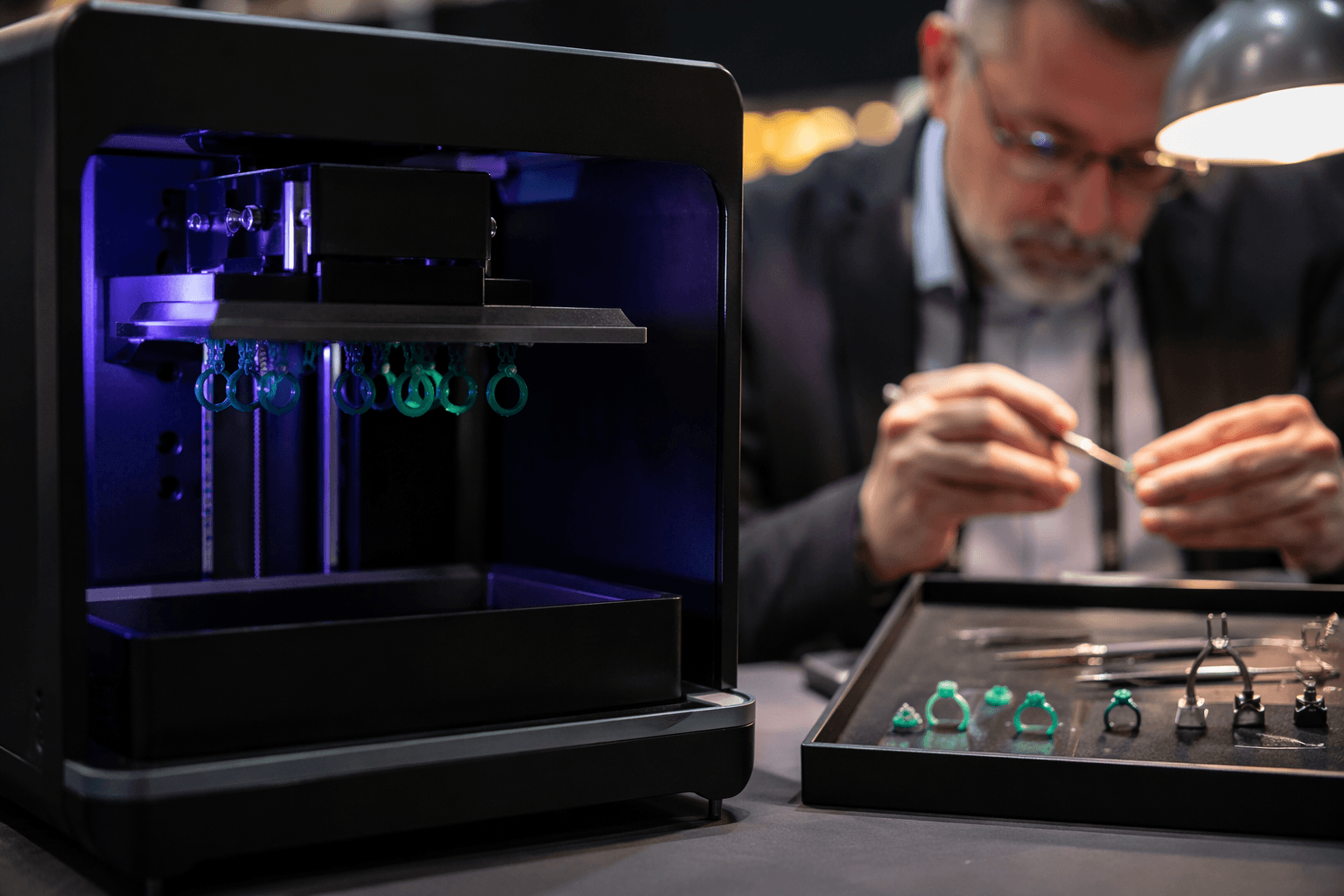
That is the real shift Flashforge is trying to sell. A desktop wax printer changes the workflow by letting smaller shops iterate in-house instead of outsourcing models, which can shorten design cycles and make custom orders easier to handle when a client changes direction late. It also narrows the gap between digital design and casting, so a jeweler can move from file to wax pattern with less back-and-forth and fewer external dependencies.
The timing is part of the pitch too. Flashforge’s launch materials point to record-high gold prices and a shortage of skilled craftsmen, both of which have squeezed traditional jewelry production. In that context, a tabletop system that brings industrial-style wax output into a studio-sized footprint is meant to look less like a novelty and more like a practical production tool.

Flashforge is also not walking into jewelry printing cold. The company says its WaxJet series has topped 2,500 installations worldwide since launching in 2020, which gives the WJ51C some credibility beyond a one-off show-floor announcement. More broadly, it fits the same pattern seen across desktop 3D printing lately: machines that started by serving hobbyists are moving into more specialized, prosumer use cases where a recognizable brand can still make a niche workflow feel accessible.
This article was produced by Prism’s automated news system from verified source data, official records, and press releases, then run through automated quality and moderation checks before publishing. The system is built and supervised by the people who set the standards it runs under. Read our full AI policy.
Did this article answer your question?