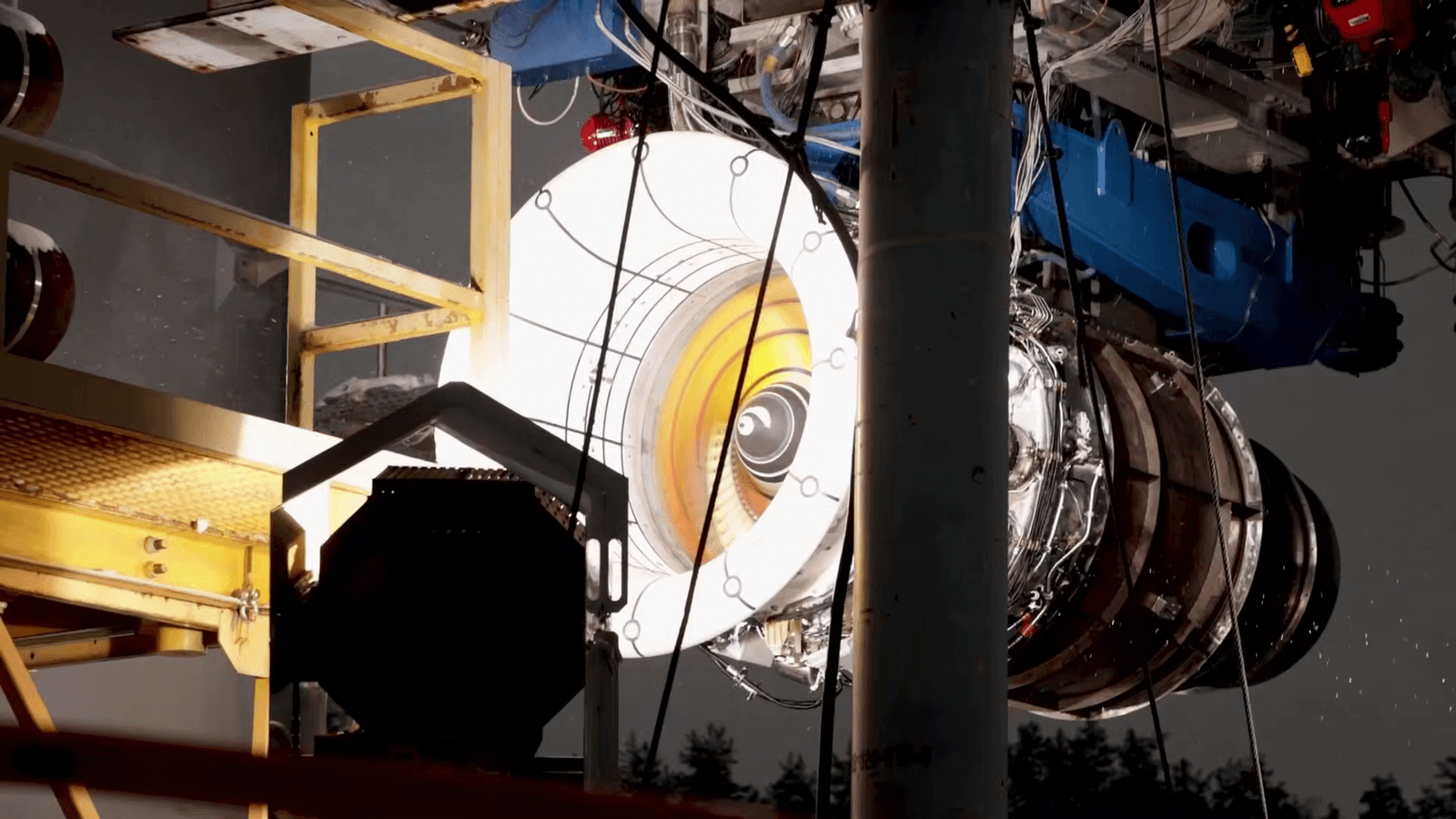
Ford and Sharrow cut propeller casting lead time to two weeks
Ford and Sharrow turned a 130-day propeller casting chain into a two-week workflow, showing how 3D printing pays off most when it speeds the mold path.
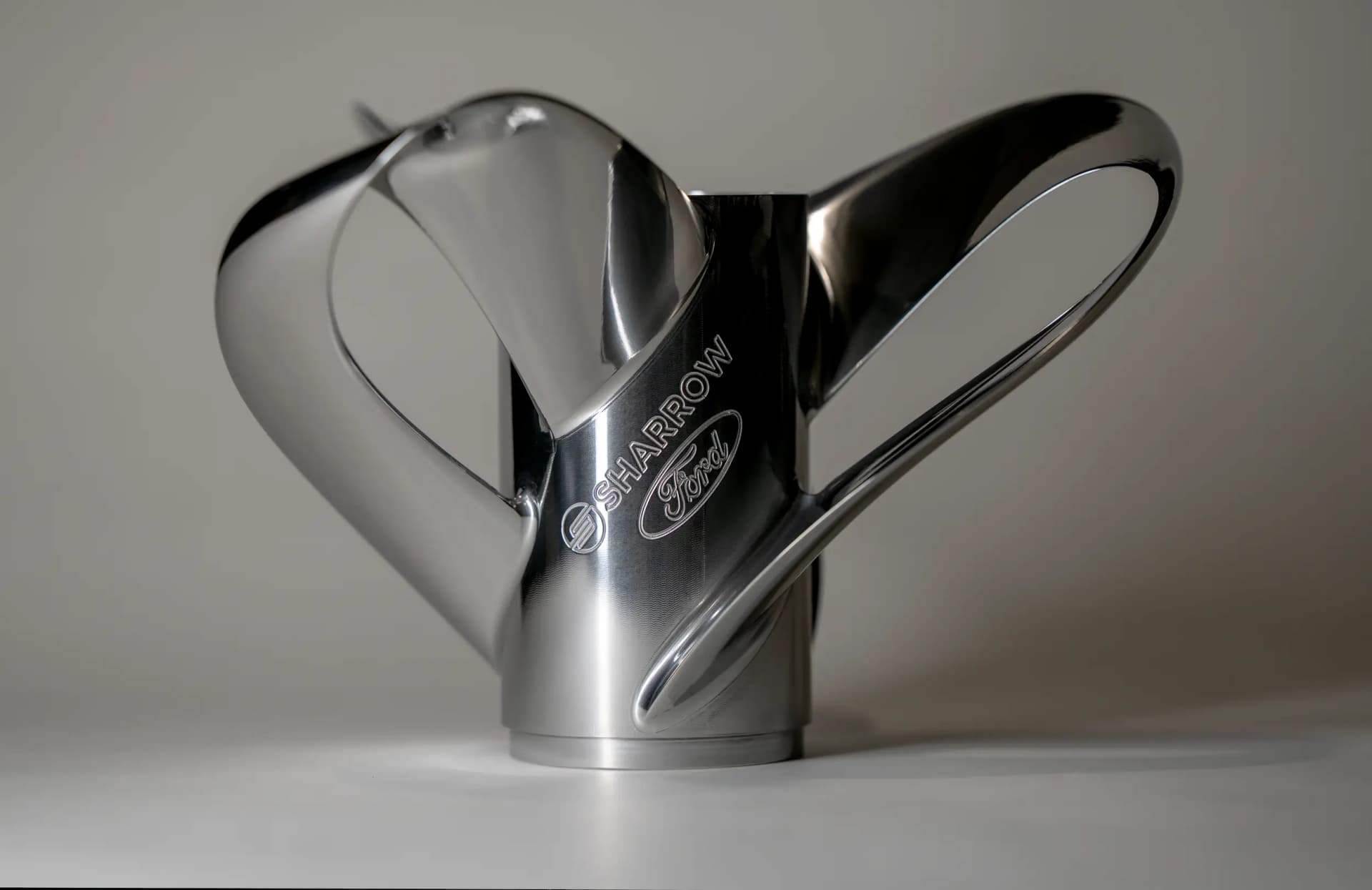
Ford Motor Company and Sharrow Engineering cut one of the slowest parts of propeller production from as many as 130 days to about two weeks, and the real breakthrough was not the finished blade. It was the tooling path. By moving the part into a 3D-printed sand-casting workflow, Ford’s Advanced Industrial Technology and Platforms team and Sharrow turned a traditional, multi-stage casting process into something that could keep up with real commercial demand.
The two companies spent about nine months adapting Sharrow’s precision-engineered propeller design to the printed-sand process. Michigan Central connected the partners, and the work was aimed at preserving the geometry and surface quality a marine propeller needs while stripping months out of the schedule. Ford and Sharrow announced the collaboration on April 9, 2026, just ahead of the summer boating season, which made the timing feel less like a lab demo and more like a production fix.

That matters because Sharrow was already past the invention stage. Gregory Sharrow originally developed the propeller in 2012 while looking for a quieter prop for filming orchestras from drones, then launched Sharrow Marine in 2019 for nautical applications. The company says it holds more than 200 patents worldwide, and earlier material described the Sharrow Propeller as the first major advancement in propeller technology since the 1830s. A Michigan Central fact sheet says Sharrow has scaled Michigan-based manufacturing to more than 600 propellers per month and moved its global headquarters to Newlab at Michigan Central, where it also launched Sharrow Labs.
Ford’s role fits the broader Detroit manufacturing playbook. Michigan Central describes itself as a 30-acre innovation district in Corktown, with 18,000 square feet of advanced prototyping and fabrication space at Newlab and nearby industrial-zoned property for scaling. That gave Sharrow access to a casting and prototyping ecosystem built for exactly this kind of problem: move a design from concept to validated production without resetting the entire toolchain every time the part changes.
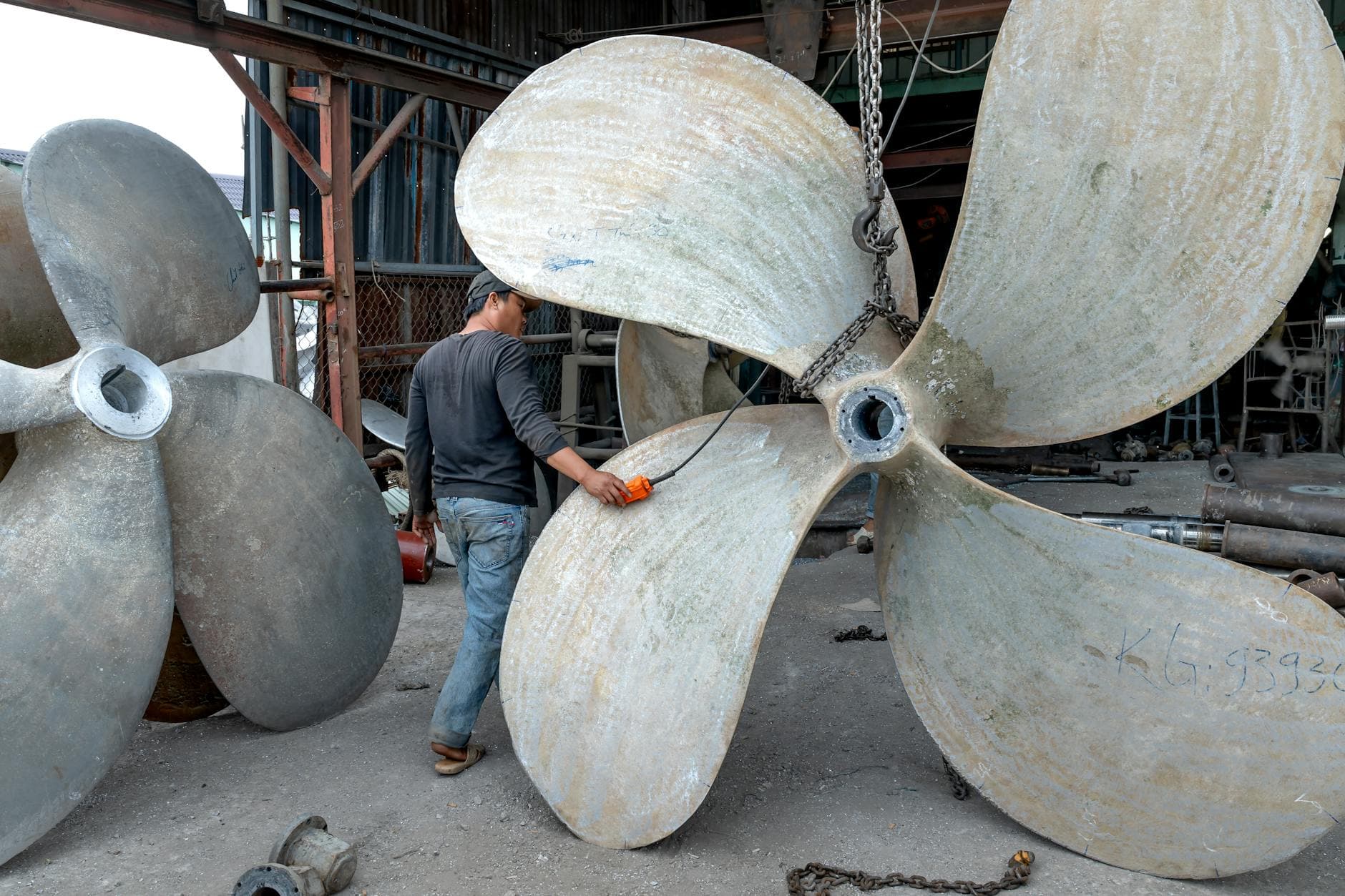
For foundry users, engine restorers, boat builders, and anyone making custom metal parts, the lesson is simple. Print the mold path, not necessarily the end-use object. In this case, 3D printing did not replace casting. It made casting faster, cheaper to iterate, and far less punishing when the design needed another pass. That is where additive manufacturing keeps proving itself, and Ford and Sharrow just put a hard number on it: 130 days down to two weeks.
This article was produced by Prism’s automated news system from verified source data, official records, and press releases, then run through automated quality and moderation checks before publishing. The system is built and supervised by the people who set the standards it runs under. Read our full AI policy.
Did this article answer your question?