GLB DP-C1 raises doubts about safe home metal 3D printing
A 300W, garage-sized metal printer sounds like a breakthrough until the safety, powder handling, and finishing work come into view.
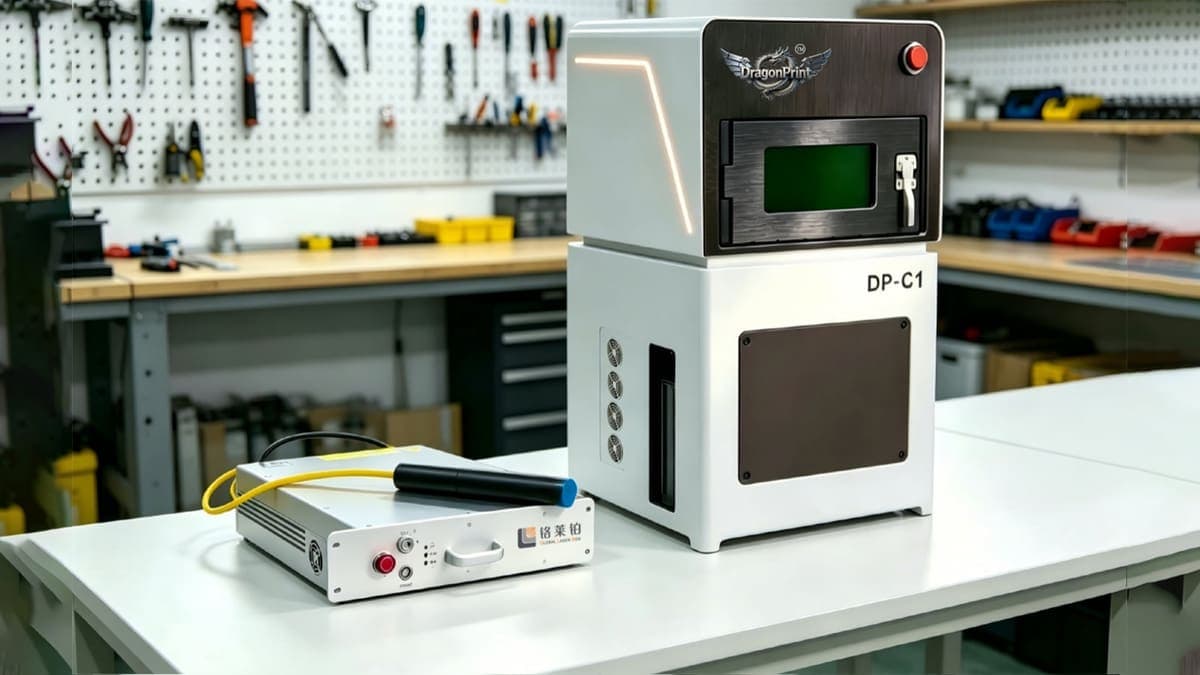
A garage-sized metal printer with a 300W laser sounds like the kind of machine that could pull laser powder bed fusion out of the lab and into the workshop. The GLB DP-C1 is being pitched that way, with a compact footprint, a stainless steel powder workflow, and an advertised price around $4,888, but the machine’s glossy promise runs straight into the hard realities of metal AM safety.
The DP-C1’s own product page lists a 108×100 mm build size and overall dimensions of 500×515×830 mm, a footprint that fits the fantasy of a desktop metal printer better than any industrial cabinet does. GLB, also branded as Global Laser Box, says the machine is aimed at garage-studio DIY metal parts, jewelry, and custom crafts. That makes the pitch unusually direct: this is not being framed as a lab tool or a factory cell, but as something that could sit where a hobby machine normally would.
That is also where the doubts start. All3DP’s June 22 look at the DP-C1 treated the machine as a consumer-grade, garage-friendly metal printer, but questioned whether it is safe to put that kind of laser and powder system into a home workspace. The marketing leans heavily on AI-styled imagery, which does little to answer basic questions about the hardware’s maturity, enclosure design, or how much of the workflow is actually ready for casual use.

Those questions matter because metal printing is not just about the printer. OSHA says laser systems need proper enclosure, guarding, interlocks, and emergency shut-off systems in applicable settings. NIOSH’s guidance on metal-powder 3D printing highlights the risks tied to powder handling, the metals in the powder, and how the workspace is set up. Formlabs’ safety materials add another layer: materials should be checked with SDS and TDS documents, and powder-based workflows can require enclosed handling, HEPA filtration, grounding, and tight control of humidity and contamination.
The price gap only sharpens the contrast. Formlabs’ Fuse 1+ SLS printer starts at $24,649, which shows how expensive mature powder workflows still are even before post-processing, cleanup, and safety infrastructure enter the picture. Desktop Metal, founded in 2015, set out to make metal 3D printing accessible to engineers, designers, medical professionals, and manufacturers, not to suggest the process had become simple.
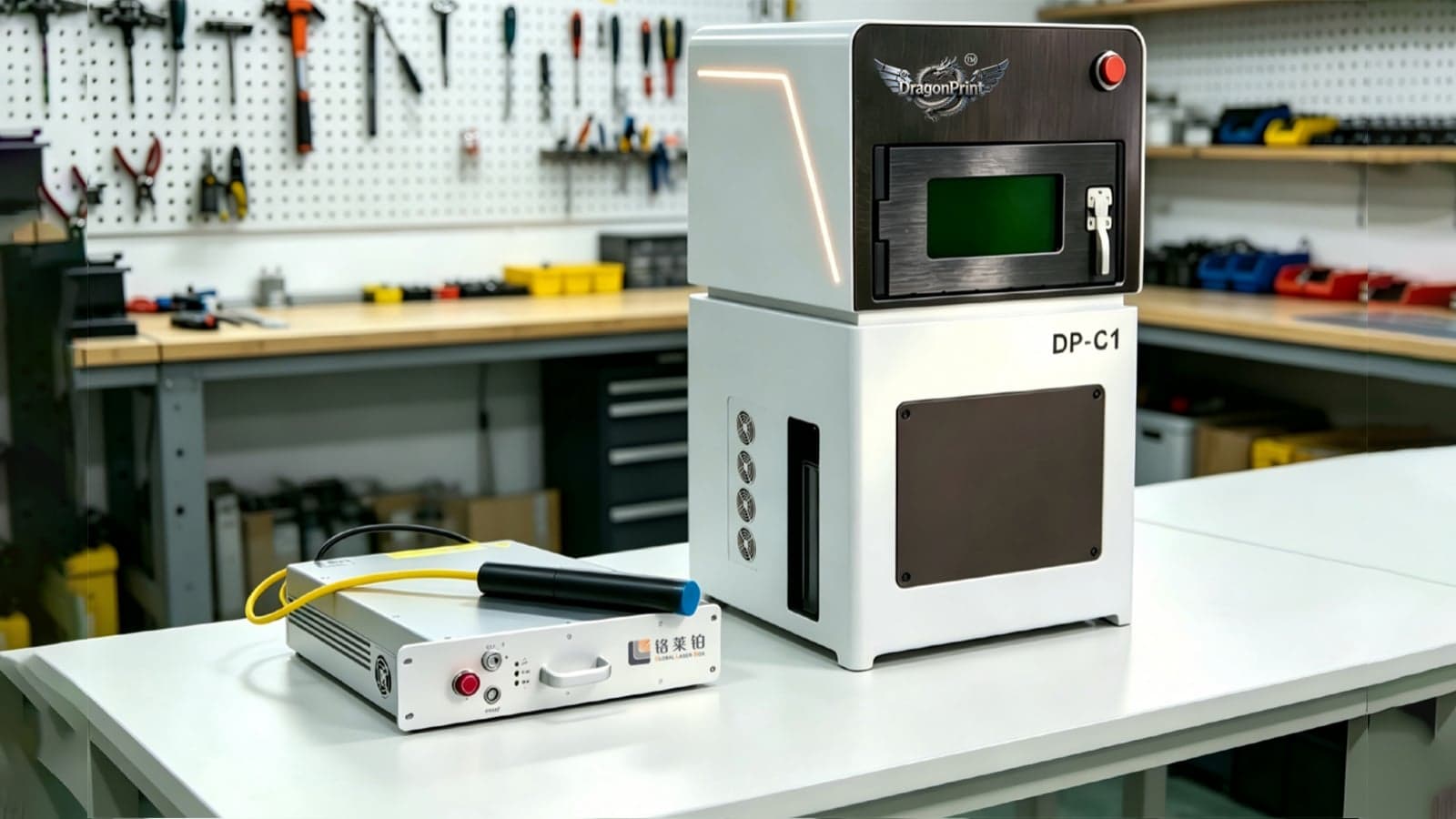
Jiangsu Chromium Platinum Digital Technology, the company behind the machine, was founded in 2023 and is based in Yancheng, Jiangsu Province. Its international premiere is scheduled for the 2026 Global Consumer Electronics Expo in Shenzhen, running June 24 to 26, which places the DP-C1 in front of a consumer-tech crowd just as scrutiny over its real-world safety is getting sharper. That is the tension at the center of the DP-C1: the box looks small, but the burden of making metal safely still looks very large.
This article was produced by Prism’s automated news system from verified source data, official records, and press releases, then run through automated quality and moderation checks before publishing. The system is built and supervised by the people who set the standards it runs under. Read our full AI policy.
Did this article answer your question?