Hackaday test pits Stratasys ABS against Bambu Lab performance
A $200 head-to-head shows when Stratasys ABS earns its keep and when a tuned Bambu Lab setup closes the gap on speed, heat, and toughness.

Industrial ABS has a reputation for being the serious answer, the material you reach for when a part has to do more than look good on a bench. This comparison makes that reputation earn its keep by asking a simpler question: what do you actually buy when you pay for Stratasys-grade ABS instead of trusting a well-tuned Bambu Lab workflow?
My Tech Fun turned that question into a real test, using a spool of Stratasys ABSplus P430 sourced through a US viewer and comparing output from a Stratasys Fortus 450mc service with a Bambu Lab printer. The viewer’s company had already moved away from Stratasys to Bambu Lab machines, which gives the whole exercise a procurement angle that feels familiar to anyone who has had to justify a machine choice to themselves or to a shop manager. The comparison cost about $200 to produce, and the Stratasys side was handled through paid services from Varinex, so this was not a casual brand dunk. It was a practical look at where the premium workflow changes the part and where it mainly changes the bill.
What the industrial side is really selling
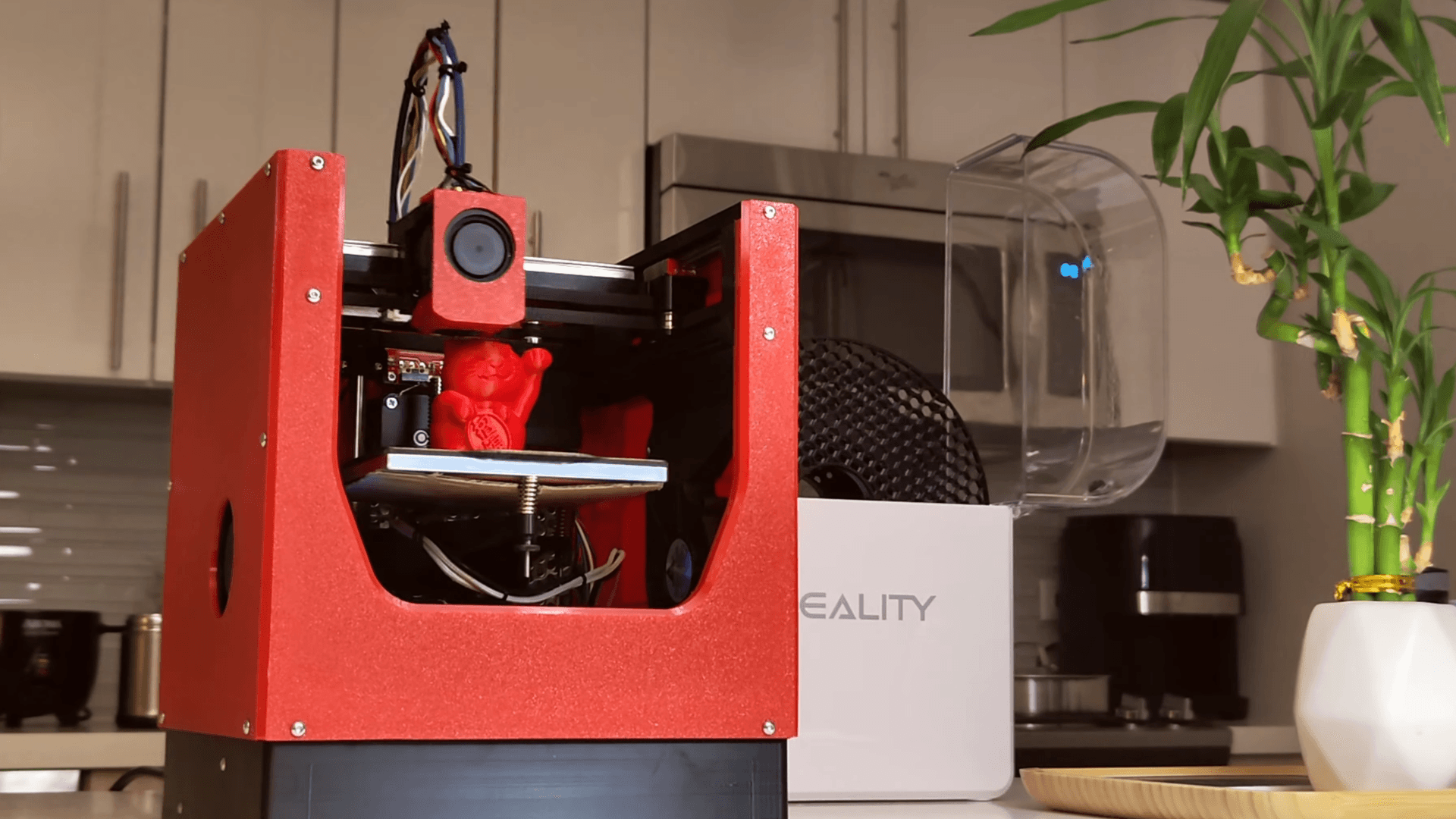
Stratasys positions the Fortus 450mc as a factory-floor-ready industrial FDM printer for advanced prototyping, tool production, and end-use parts. The machine’s 406 x 355 x 406 mm build envelope is big enough to matter, not just in the abstract but in the kind of parts that need room to breathe without being split into awkward sections. Stratasys also lists an optional Fortus FDC material delivery and drying cabinet, which tells you a lot about the world this machine expects to live in: controlled material handling, repeatable output, and less improvisation.
That context matters because Stratasys does not pitch ABS as just another spool. The company says ABSplus P430 is a functional ABS prototype material with up to 80% of the strength of injection-molded ABS, while ABS-M30 is described as 25-70 percent stronger than standard Stratasys ABS, with stronger tensile, impact, and flexural properties plus stronger layer bonding. Those are the kinds of claims that matter when a bracket, fixture, or housing has to survive more than a weekend test fit. In other words, industrial ABS is not only about raw plastic, but about the controlled process around it.
The sectors Stratasys names for the Fortus 450mc, aerospace, automotive, manufacturing, railway, oil and gas, and defense, also explain why the machine exists in the first place. Those are environments where the difference between “prints fine” and “prints predictably under load” is worth real money. That is the frame this comparison brings back to the desktop side of the hobby.
What the consumer workflow can still do surprisingly well
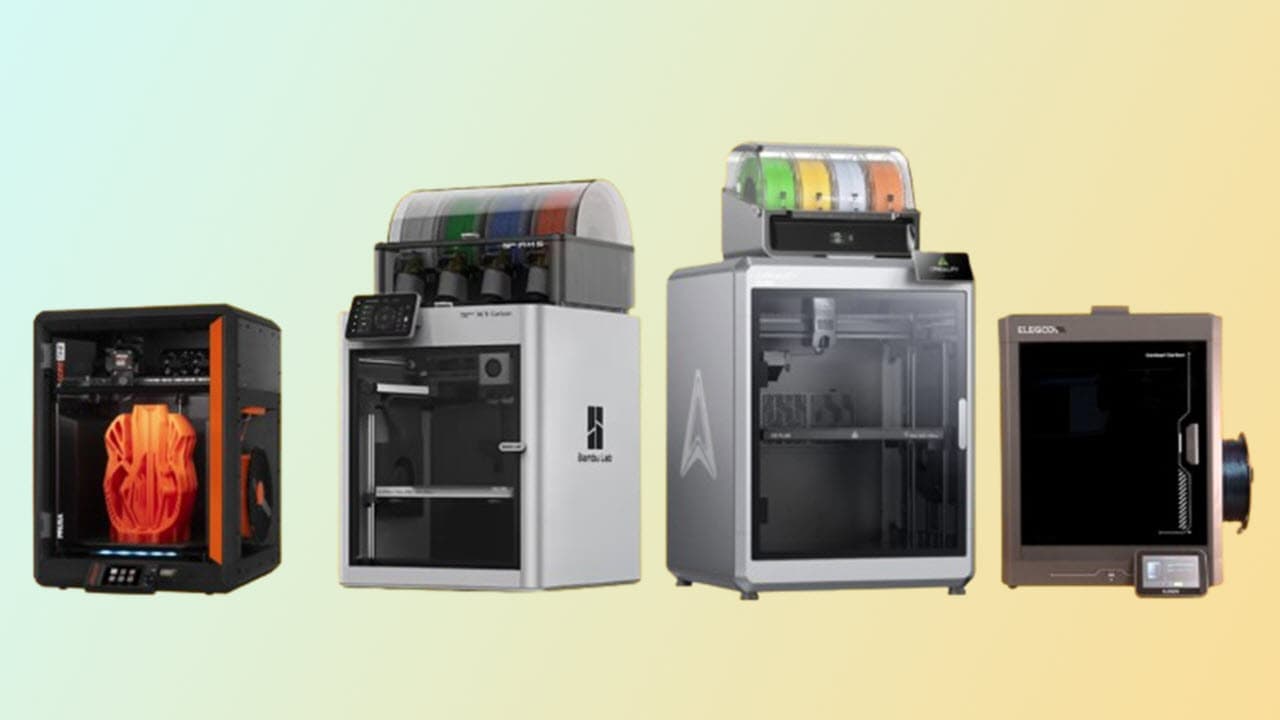
Bambu Lab’s own ABS guidance is useful because it shows how far a consumer-style setup has to go to make ABS behave. The company lists a heat deflection temperature of 87 °C for its ABS filament and recommends a nozzle temperature of 240-280 °C, a bed temperature of 90-100 °C, and drying at 80 °C for 8 hours or 90-100 °C for 12 hours depending on the setup. It also warns that ABS can warp, release pungent fumes, and needs an enclosure plus good ventilation.
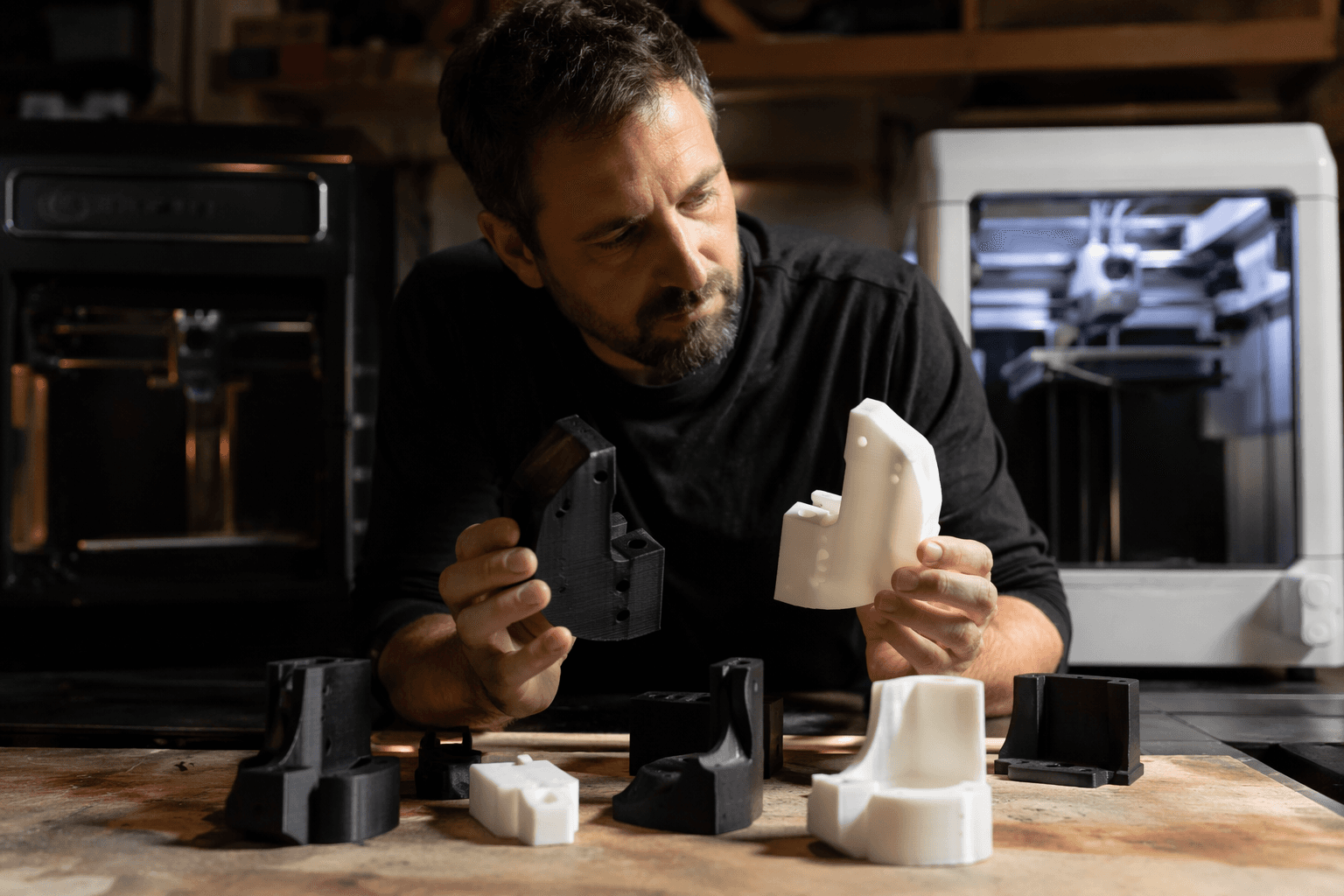
That is the first big lesson from the comparison: ABS performance is not just a material label. It is temperature, airflow, drying, and process control. The most interesting result in the test was that the older Stratasys ABS type reportedly performed best when printed on the Bambu Lab machine at its preferred temperature setting, which is a sharp reminder that material behavior can beat brand prestige when the profile is dialed in correctly.
The timing difference sharpened that point even more. The Stratasys print took about 14 hours, while the Bambu Lab version took roughly 3.5 hours. For a hobbyist, that is not a small convenience, it is the difference between a one-day print and something you can iterate on the same afternoon. If the part behaves the way you need after a shorter run, the premium machine may not buy you enough to justify the wait, let alone the extra cost.
Where the break-even actually lives
This is the part of the story that matters most to desktop users: industrial ABS pays off when you need confidence in the whole chain, not just a finished part. If a print has to resist heat, hold shape over time, survive flexing, or stay stable under load, then the stronger layer bonding and better-controlled workflow can matter more than the sticker price of the filament or the prestige of the machine. If you need bigger build space, a drying cabinet, or a more production-minded setup, the Fortus 450mc style of system has a real argument.
But the comparison also shows how much can be gained by being picky about the basics. The test did not read like a simple “industrial good, consumer bad” verdict. It read like a reminder that material, temperature, workflow, and part geometry are often the real battlefield. When those line up, a Bambu Lab setup can make industrial ABS behave in ways that narrow the gap more than the logo on the printer would suggest.
That is why this test lands so well for the desktop crowd. It does not just ask whether Stratasys ABS is stronger. It asks whether the extra strength, control, and enclosure logic are the thing your part actually needs, or whether smart tuning and a better workflow are enough to get you there faster. On that score, the most useful answer is not prestige, it is fit for purpose, and this comparison makes that plain.
This article was produced by Prism’s automated news system from verified source data, official records, and press releases, then run through automated quality and moderation checks before publishing. The system is built and supervised by the people who set the standards it runs under. Read our full AI policy.
Know something we missed? Have a correction or additional information?
Submit a Tip