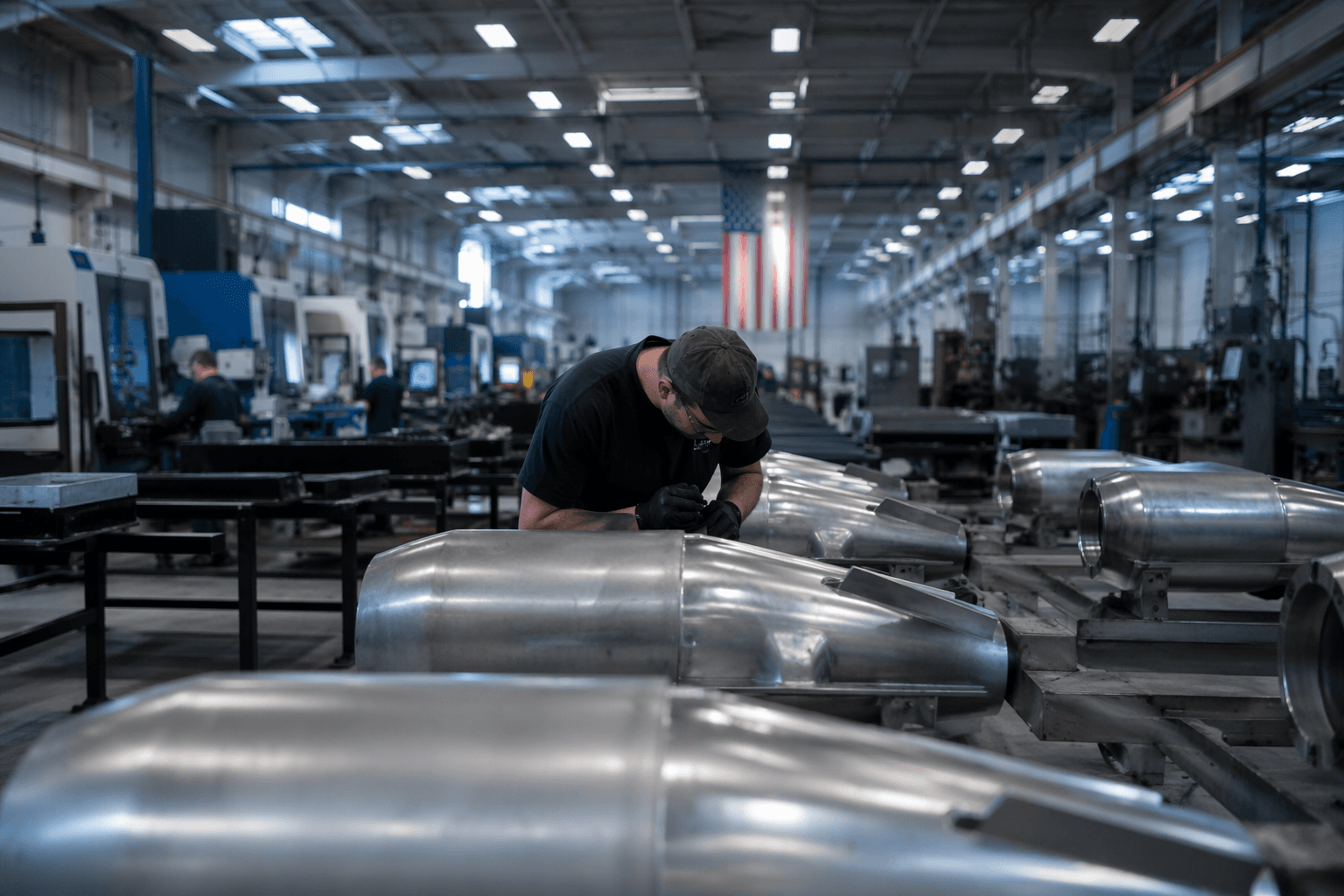
Hiroshima University Researchers 3D Print Ultra-Hard Tungsten Carbide Using Hot-Wire Laser
Hiroshima University researchers 3D printed tungsten carbide–cobalt exceeding 1,400 HV hardness using a hot-wire laser and nickel interlayer, with zero visible defects.
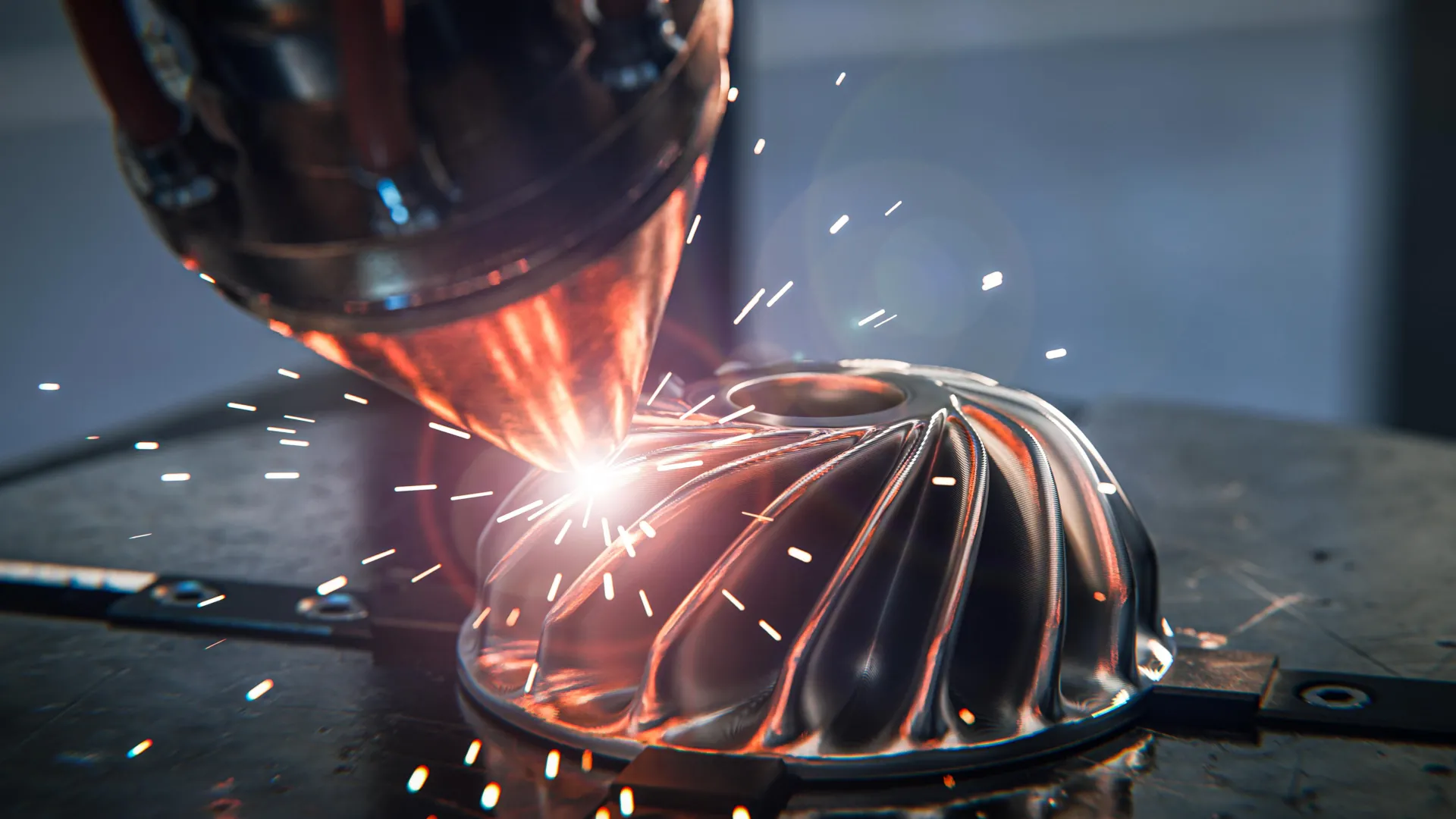
Tungsten carbide–cobalt has long resisted the promises of additive manufacturing. The material is brutally hard, which is exactly why industrial cutting tools depend on it, but that same property makes laser-based deposition a minefield of decomposition, pore formation, and structural breakdown. A team led by Keita Marumoto, assistant professor at Hiroshima University's Graduate School of Advanced Science and Engineering, has now published results showing a viable path through that minefield.
The approach centers on a hot-wire laser irradiation method that softens sintered WC–Co rods rather than fully melting them. That distinction matters enormously. Conventional powder-based AM processes and full-melt laser routes expose WC–Co to thermal conditions that crack the tungsten carbide into weaker phases and leave behind pores that undermine hardness. By feeding solid sintered rods and applying heat carefully, the Hiroshima team sidestepped the worst of those failure modes.
The results reported in the International Journal of Refractory Metals and Hard Materials are striking: hardness exceeding 1,400 HV with no visible holes or WC breakdown, provided temperatures were held above cobalt's melting point but below the threshold that triggers excessive WC grain growth. A nickel-based alloy interlayer placed between deposits further stabilized the microstructure and improved bonding between layers.
Tool path turned out to be a critical variable. The team tested two strategies: a rod-leading method and a laser-leading method. High-speed camera footage captured during rod-leading trials revealed the problem directly; that approach was more likely to produce WC breakdown in the top layers of a build. The laser-leading method, combined with the Ni interlayer and tighter thermal control, maintained structural integrity throughout.
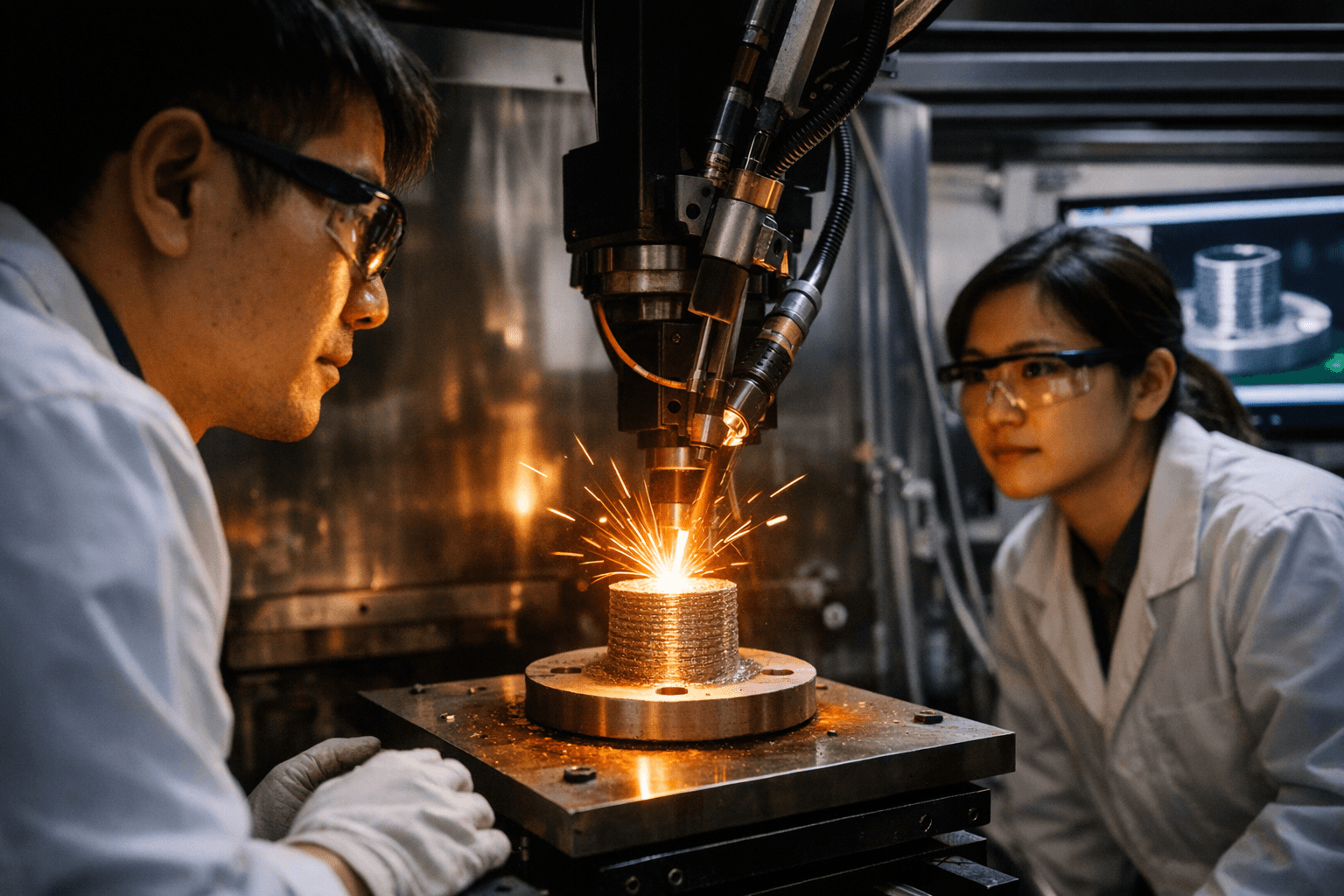
The practical implications go beyond simply printing a hard part. "By using additive manufacturing, cemented carbide can be deposited only where it is needed," Marumoto said. That selectivity addresses one of the core economic problems with WC–Co fabrication: tungsten and cobalt are expensive, and conventional powder metallurgy and high-pressure sintering processes waste significant quantities of both. Localized deposition also opens the door to multi-material components, placing ultra-hard carbide at a cutting edge while a tougher base metal handles structural load elsewhere.
The research was a collaboration between Hiroshima University and Mitsubishi Materials Hardmetal Corporation, whose researchers Takashi Abe, Keigo Nagamori, Hiroshi Ichikawa, and Akio Nishiyama are listed as co-authors alongside Marumoto and Motomichi Yamamoto. The paper, published under DOI 10.1016/j.ijrmhm.2025.107624, is set to appear in the April 2026 print issue of the journal.
Exact process parameters, including laser power, wire preheating current, scanning speed, and the precise numerical temperature window, remain to be examined in the full paper, as does quantitative microstructural data beyond hardness. Scale-up economics and any plans for industrial trials with Mitsubishi Materials Hardmetal Corporation have not been disclosed. What the published results do establish is that defect-free WC–Co at cutting-tool-grade hardness is achievable through additive manufacturing, which is further than the field has reliably gotten before.
This article was produced by Prism’s automated news system from verified source data, official records, and press releases, then run through automated quality and moderation checks before publishing. The system is built and supervised by the people who set the standards it runs under. Read our full AI policy.
Did this article answer your question?