Illinois researchers 3D print copper cold plates for better cooling
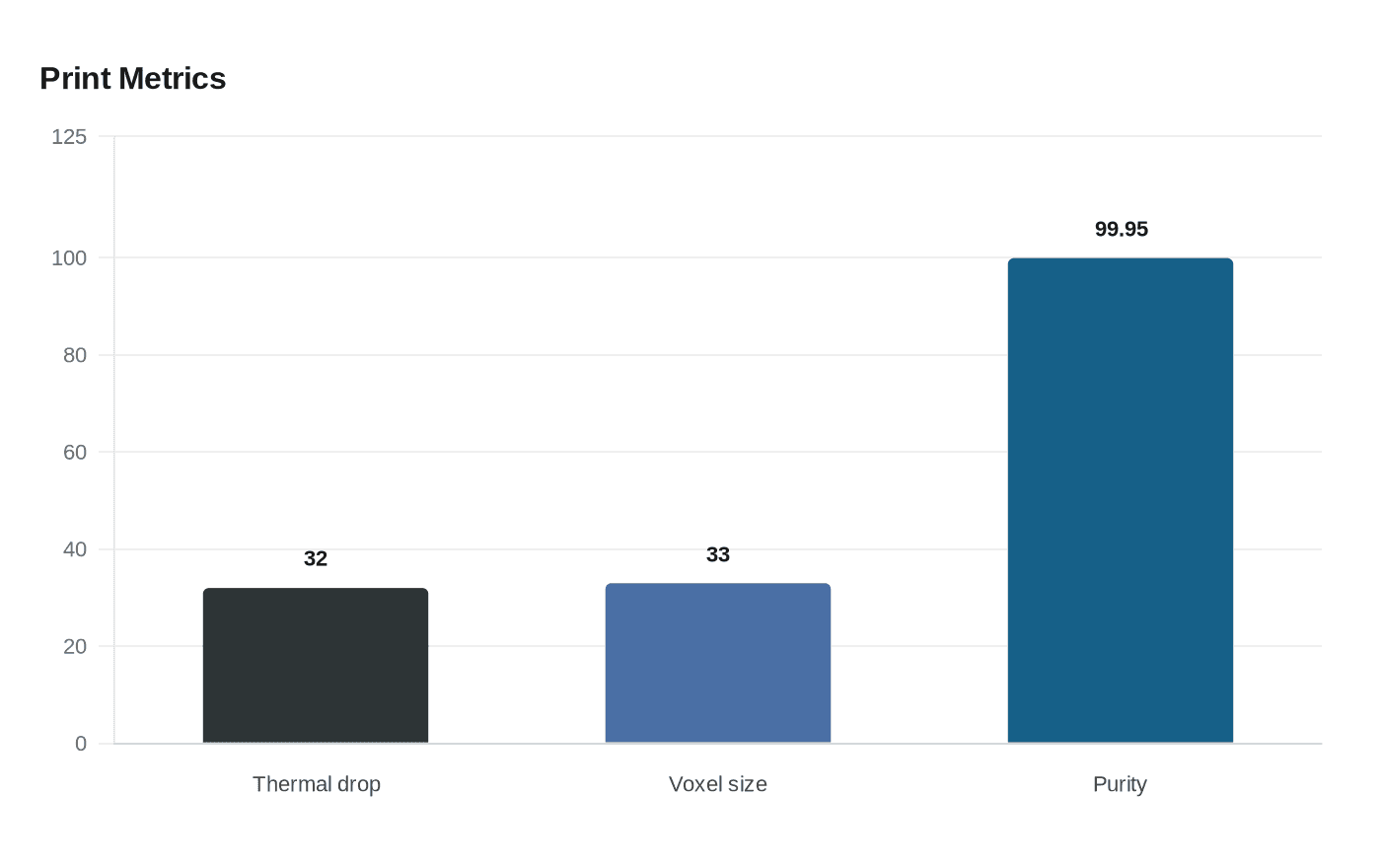
Topology-optimized copper cold plates print fin shapes machining cannot, cutting thermal resistance by up to 32% and hinting at smarter cooling for hot electronics.

The geometry problem copper finally solves
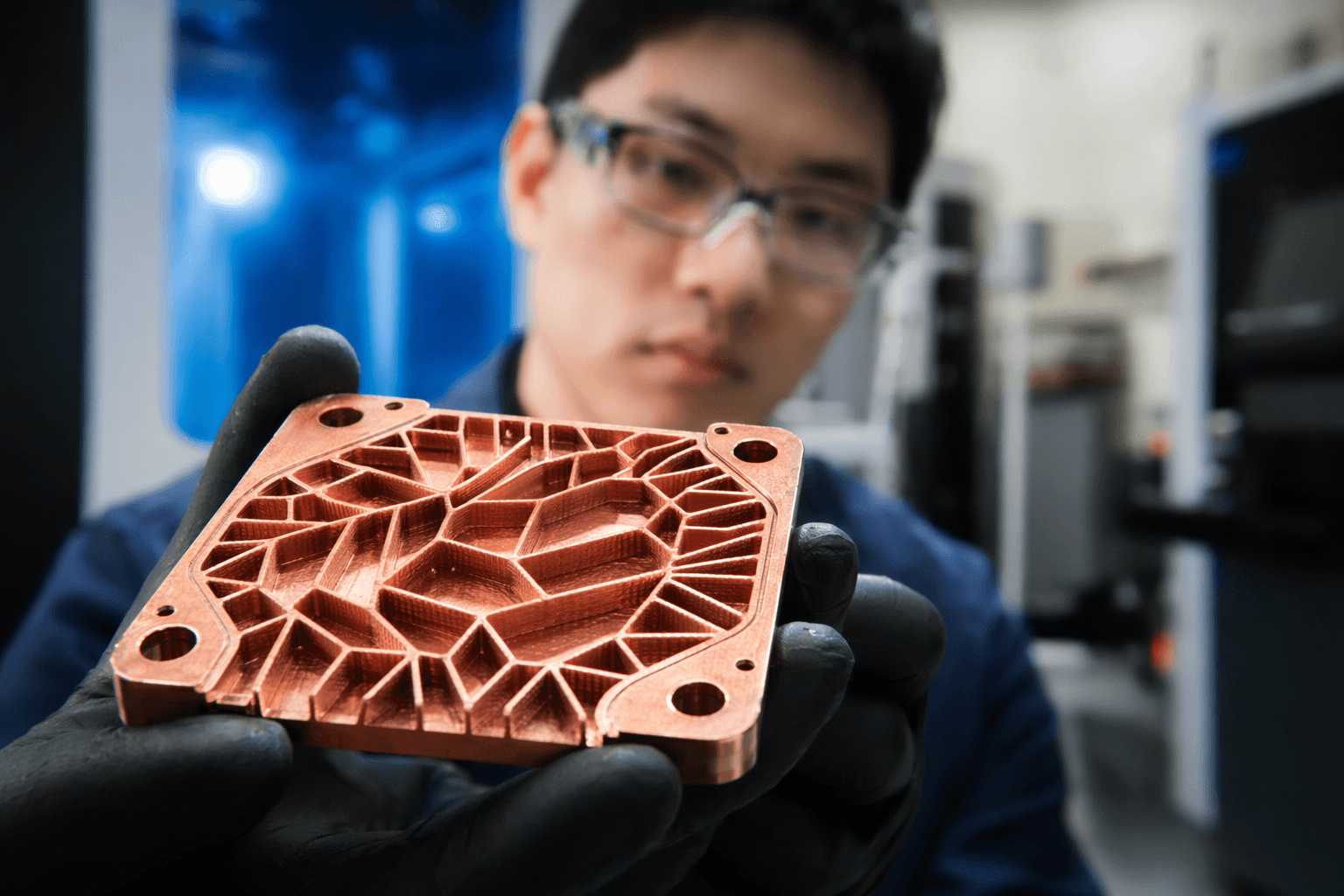
The big win here is not just that Illinois researchers printed a copper cold plate. It is that they printed a fin geometry conventional machining cannot really touch, then proved that geometry matters with a thermal resistance drop of up to 32%. For anyone watching CPUs, GPUs, laser heads, and high-power electronics creep hotter year after year, that is the kind of cooling result that changes the conversation from “can we make it?” to “how soon can we use it?”
The core issue is simple: heat wants more surface area, smarter flow paths, and tighter control than most metalworking methods want to give it. Conventional machining can do a lot, but once fin structures shrink into microscale territory, tools, tolerances, and part geometry start fighting each other. Melt-based metal additive manufacturing has its own problem with copper, because copper reflects energy and moves heat so efficiently that it is hard to process cleanly without compromising the part.
From optimized CAD to printable copper
Topology optimization sets the fin map
The starting point was not a printer, but a computational design problem. The team used topology optimization to search for the most thermally efficient fin architecture, which is exactly the right move when the goal is to move more heat with less penalty. That matters because thermal hardware is often handcuffed by manufacturability before it ever gets a chance to prove what the geometry can really do.
This is the part that should make cooling nerds pay attention. A design can look perfect in simulation and still be useless if no fabrication process can reproduce the tiny channels, branching fins, and narrow features that make it effective. The Illinois work is basically a bridge between the design tool and the real part.
ECAM turns that map into metal
The printing side came from Fabric8Labs’ electrochemical additive manufacturing platform, or ECAM. The researchers used it to print the cold plates in pure copper at a voxel resolution of about 33 micrometers, which is fine enough to preserve the fine structure the design called for. The process runs at room temperature, which helps avoid the thermal distortion that can warp delicate features in hotter metal AM systems.
That detail matters more than it sounds like. If you are trying to preserve a micro-structured cooling surface, the last thing you want is a manufacturing method that introduces heat stress before the part ever sees coolant. ECAM also produced copper with purity up to 99.95%, which keeps the material squarely in the lane you want for serious thermal hardware.
What the cold plate changes in practice
Tiny fins, bigger wetted area, better flow
The printed cold plates use fins with sub-50-micrometer features and tapered branching tips. Those tips do two jobs at once: they increase wetted surface area and guide coolant flow through the structure instead of letting it wander inefficiently across a blunt, simple fin pack. That is the kind of detail that separates a decent cooling part from one that actually pushes the limits.
This is why the result matters beyond the novelty of printing copper. In thermal management, every degree counts, and the reported up to 32% lower thermal resistance is a serious number in a field where incremental gains often cost a lot of money and design effort. It is a reminder that the best cooling upgrade is not always a bigger fan or a heavier block, sometimes it is just a better shape.
Why copper is still the right material here
Copper is still the obvious choice when the mission is moving heat fast, but it has always been difficult to exploit fully in additive manufacturing. The material’s reflectivity and high thermal conductivity make melt-based processes awkward, especially when the design depends on tiny internal and external features that must stay crisp and repeatable. ECAM sidesteps that by building at room temperature instead of forcing copper through a process it does not naturally cooperate with.
That is the practical elegance of the approach. Rather than simplifying the geometry to fit the machine, the process lets the machine follow the geometry.
Why this matters for the next wave of cooling hardware
The bigger story is the manufacturing bridge. Topology optimization can create extremely effective cooling designs, but those designs often stay theoretical if the fabrication method cannot reproduce them faithfully. ECAM closes that gap, and that opens a path to more energy-efficient liquid cooling for chips and other electronics.
There is also a scale story hiding in the background. The process uses a water-based electrolyte that can be replenished, and the printhead can fabricate multiple components in batch, which gives the method a route beyond one-off lab parts. That makes this more than a one-off demonstration piece, because manufacturability is the difference between a cool paper result and a part family that can actually ship.
For the 3D printing crowd, the analogy is obvious even if the application is industrial. This is the same old additive manufacturing promise, just aimed at thermal management instead of brackets or enclosures: print the geometry that works, not the geometry that is merely easy to machine. If this approach keeps scaling, the payoff could reach enthusiast PC cooling, custom water blocks, and printable thermal-management parts that are built around performance first instead of compromise.
That is the real takeaway from the Illinois work. The breakthrough is not that copper can be printed, but that the cooling geometry no longer has to surrender to the limitations of conventional machining, and once that constraint drops away, the next generation of hot electronics finally gets a chance to breathe.
Know something we missed? Have a correction or additional information?
Submit a Tip