Iran launches fourth-generation schools with 3D printing and robotics labs
Iran’s new school model puts 3D printing, robotics and IoT into the same workshop, with teachers turned into facilitators and students pushed toward real problem-solving.
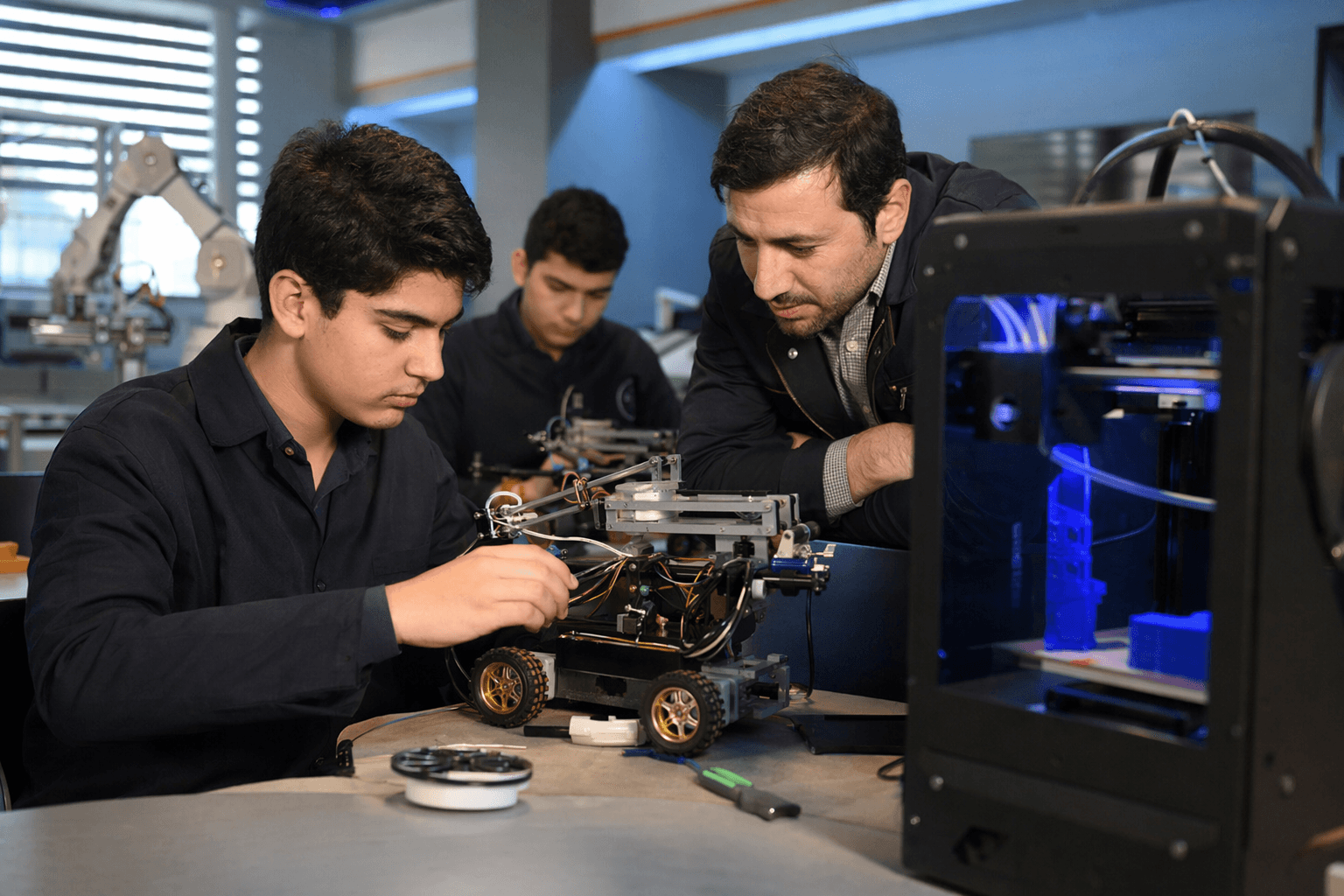
Inside Iran’s fourth-generation schools, the headline change is not a slogan but a workshop: 3D printing, robotics and IoT now sit alongside one another in a model built for exploratory learning, creativity and innovation. At SAMPAD schools, the point is to move students beyond memorizing lessons and toward interdisciplinary projects, performance-based assessment and the smart use of digital technologies, including artificial intelligence.
President Masoud Pezeshkian said the schools are meant to help solve major national challenges, and he framed teachers as facilitators rather than simple transmitters of knowledge. In his telling, the classroom should guide students toward choice-making and toward solving real social problems. He also said benefactors contributed about 22,000 billion tomans for educational infrastructure over the past year, a sign that the rollout is being backed not just as an education reform, but as a national investment in future technical capacity.
The new model did not appear out of nowhere. Iran’s Fundamental Reform Document of Education was approved in December 2011, and UNESCO has described it as an effort to transform a memory-oriented system into one centered on research, skills and creativity. That arc fits what has already happened in Iranian schools and universities, where robotics has been treated as more than a club activity. Earlier programs in Tehran Education Department schools offered training in programming, simulation and mechatronics, while Iran’s Scientific Vice-Presidency previously announced plans for six fab labs across the country.
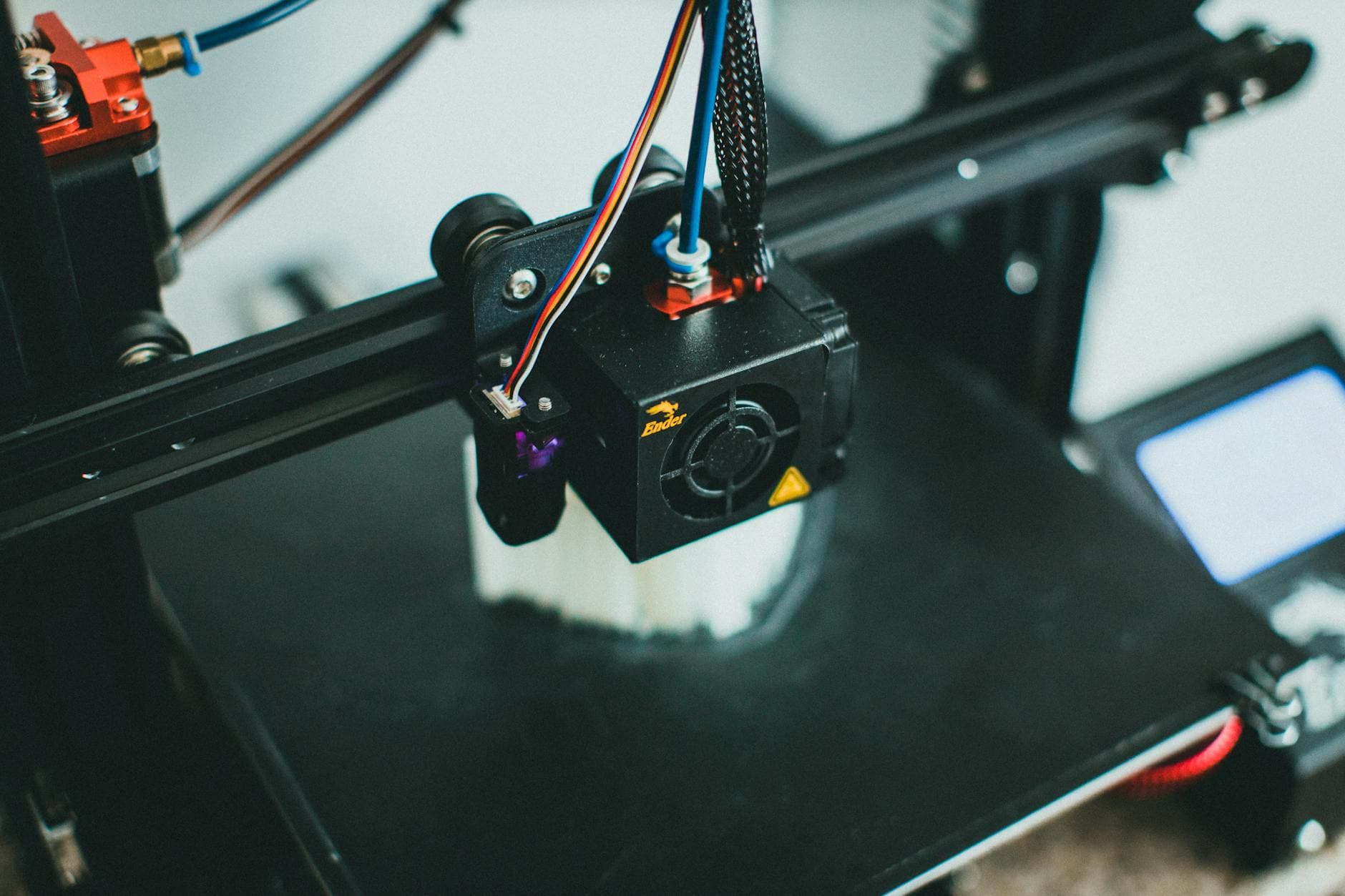
That history matters for anyone watching maker education from the 3D printing side. Iran is not just adding hardware to classrooms; it is pairing fabrication with coding, simulation and systems thinking, then asking students to prove what they can build. Officials have also said the country ranks highly among Muslim countries in scientific production related to 3D printing, robotics and IoT, which explains why school-level access to these tools is being treated as a pipeline issue, not a novelty. The clearest signal from the rollout is that the next generation of makers is expected to learn the full loop, from design to prototype to test, inside the school day.
Know something we missed? Have a correction or additional information?
Submit a Tip