ISU Open Sources $50k 3D Concrete Printer Design to Lower Costs
Iowa State University researchers published an open-source design for a construction-scale 3D concrete printer estimated at $50,000, aiming to cut the cost barrier for cementitious and paste-extrusion projects.
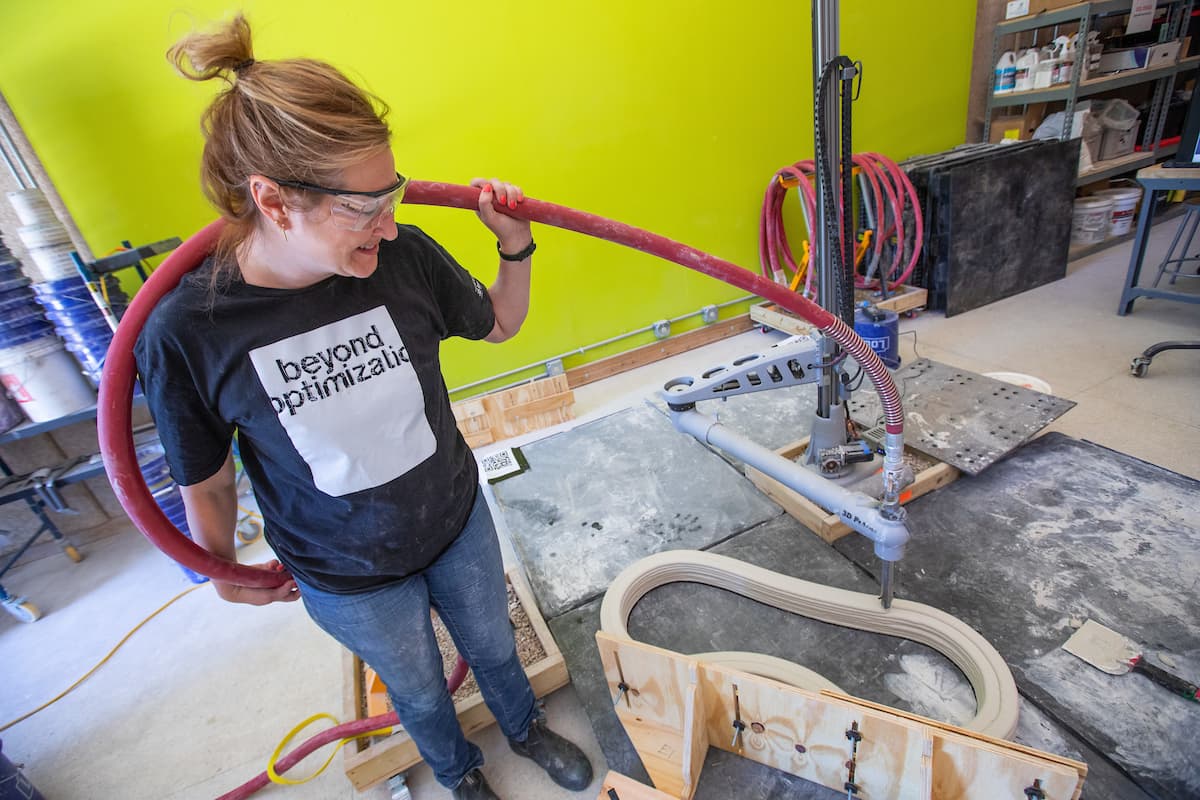
Iowa State University researchers released an open-source design called the ISU $50k 3D Concrete Printer, sharing set-up and integration notes for hardware, software, and material aimed at cementitious and paste-extrusion printing at construction scale. The move puts a relatively low-cost, buildable configuration into the hands of architects, builders, educators, and labs that have so far faced steep commercial price tags.
“We’ve open-sourced our ‘ISU $50k 3D Concrete Printer’ set-up and integration of hardware / software / material. Hope this helps anyone out there working to scale up printing with cementitious and paste-based materials.”, Shelby Elizabeth Doyle
Shelby Elizabeth Doyle, Associate Professor of Architecture at Iowa State University, leads the effort that the university describes as a research and teaching initiative. The release was made via a LinkedIn announcement and an open repository; the announcement text and repository contents were shared publicly, though specific download links and component lists were not included in the materials provided for this report.
“Doyle believes the configuration would cost around US$50,000 to implement.” That $50,000 estimate is significant because it narrows the gap between experimental lab rigs and the pricier commercial 3D concrete printing systems currently used to print foundations, walls, and floors for residences, offices, and other small buildings. “This is dramatically lower than the price of some commercial 3DCP systems, just what you’d expect to see with an open-source option.” Kerry Stevenson added that up until now, commercial vendors dominated the space: “Up until now, all of these 3DCP systems were commercial, as far as I know.”
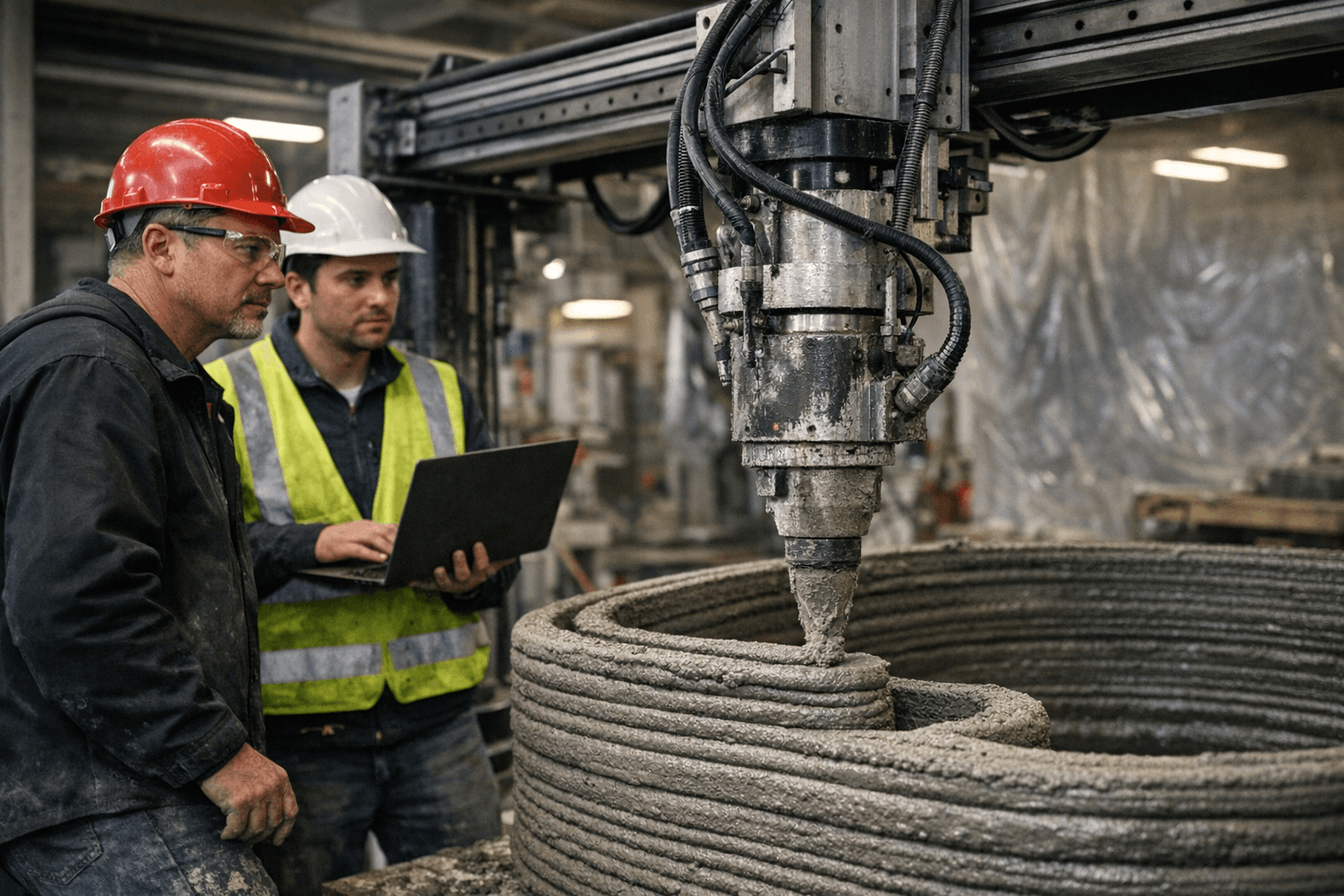
The ISU release emphasizes integration: hardware, controls, software, and mix-compatible material strategies for cementitious and paste-based printing. Educational outcomes are a clear priority. “Part of the project’s mission is to develop curricula to teach students and construction professionals how to integrate 3D printing and associated technologies into the worksite.” To that end, ISU developed courses called Additive Construction Management 1 and 2, and the coursework and materials are being offered open source so community colleges and training programs can adopt them.
Student work has already moved from class exercises to campus fixtures. White concrete vessels produced by ISU undergraduates were showcased during the Student Innovation Center’s IGNITE event, and “Innovative planters and seating designed by architecture and landscape architecture students and 3D-printed using alternative cementitious materials (non-Portland cement) are now on permanent display at Reiman Gardens in Ames.” “Newly installed planters brimming with vibrant gold and purple flowers greeted visitors to the Iowa State University Student Innovation Center at the conclusion of the spring 2024 semester.”
Practical implications are twofold: builders and vocational programs get a lower-cost path to hands-on 3DCP practice, and instructors get ready-made curricula to train a workforce for on-site additive construction. Key technical details remain to be published - bill of materials, CAD files, print-head and pump specs, and structural test data - so expect makers, schools, and contractors to request repository links, parts lists, and performance metrics next as they move from curiosity to construction.
Know something we missed? Have a correction or additional information?
Submit a Tip