Lockheed Martin 3D prints complex scramjet and ramjet parts for hypersonics
Lockheed Martin used 3D printing for scramjet and ramjet hardware with support-free internal geometry, including a 1-meter engine built in 15,247 layers.
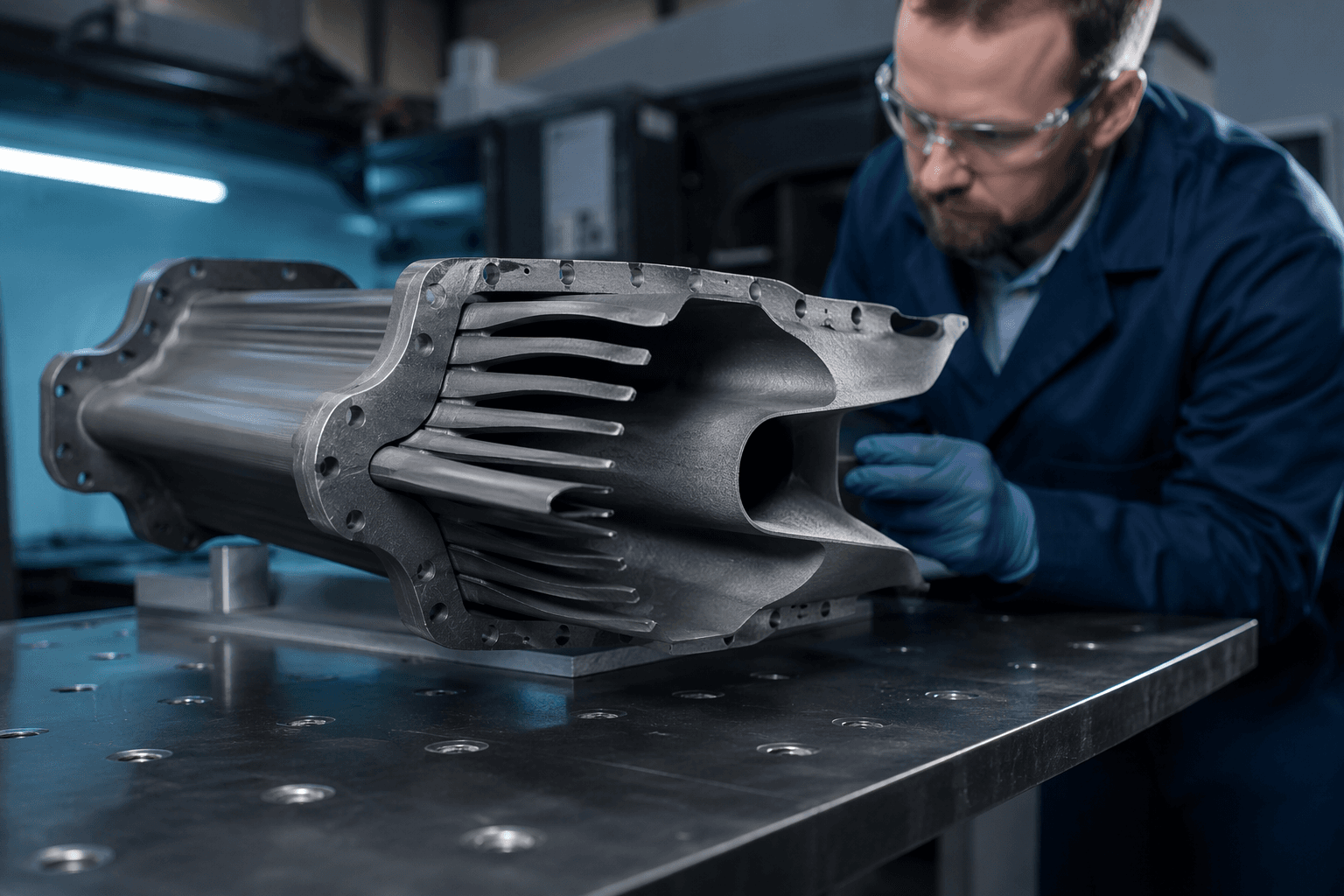
Lockheed Martin has used 3D printing for scramjet and ramjet parts that would be too expensive or too intricate for conventional machining, where internal passages, one-piece consolidation and support-free geometry matter more than cosmetic finish. The company’s hypersonics work shows why additive manufacturing wins when the design itself is the problem.
In 2023, Lockheed Martin, Velo3D and the U.S. Department of Defense tested hypersonic ramjet engines built with laser powder bed fusion. Carnegie Mellon University’s summary of the work said Velo3D’s Intelligent Fusion process needed no support material, a key advantage for shapes that become difficult or impossible to machine once deep internal channels and overhangs enter the design. Velo3D later described one Lockheed Martin partnership engine as 15,247 layers tall, and the company also showed a 1-meter-tall ramjet engine at trade shows. That scale points to more than a lab curiosity: additive was being used for a propulsion part that could be built as a complex, highly integrated structure rather than split into multiple subassemblies.
Lockheed Martin has been building a broader additive manufacturing push around that kind of geometry. On Dec. 7, 2022, the company and metal additive manufacturer Sintavia announced a partnership to advance metal additive manufacturing. A week later, Manufacturing Dive reported that Lockheed Martin was expanding its supplier partnership to advance 3D printing, and a 2024 company feature said additive manufacturing expansion was helping meet demand for advanced capabilities. Lockheed Martin also opened a new Advanced Manufacturing Technology Center in Texas in 2024, giving the company another place to prototype and industrialize parts that need speed, repeatability and less post-processing.
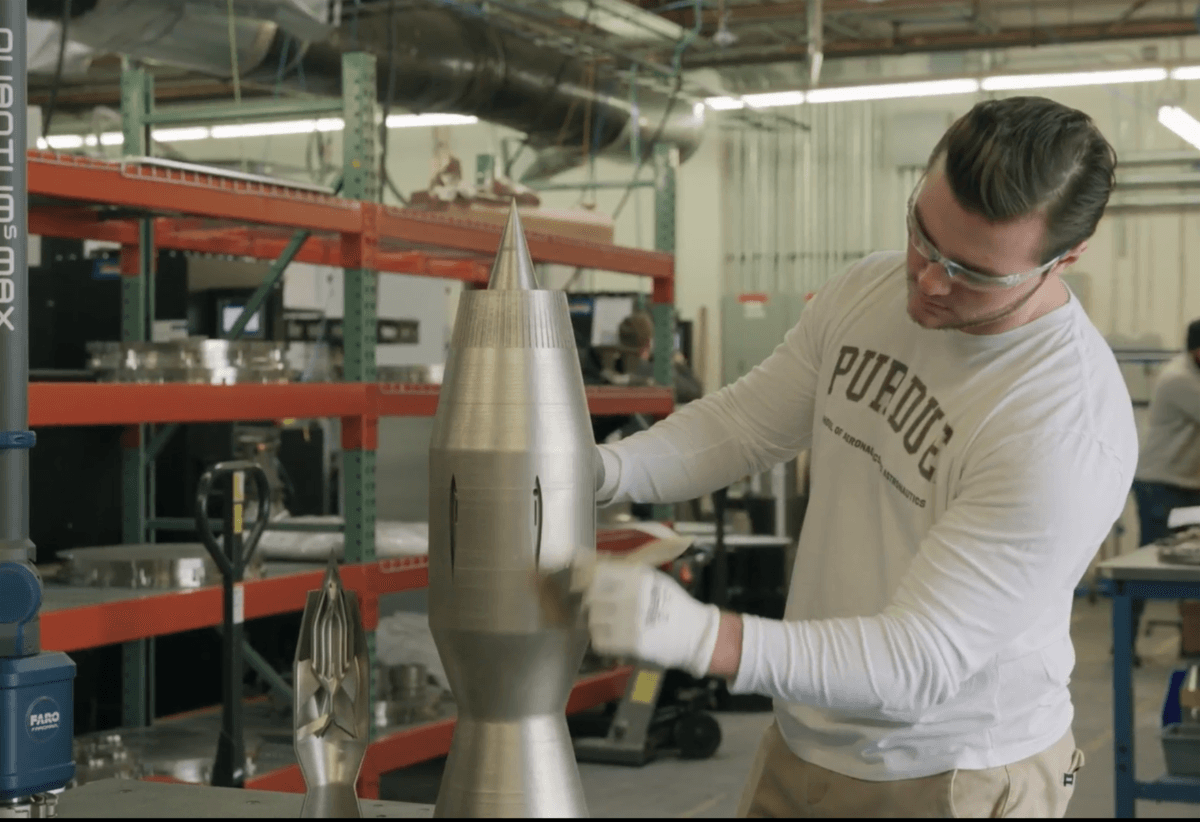
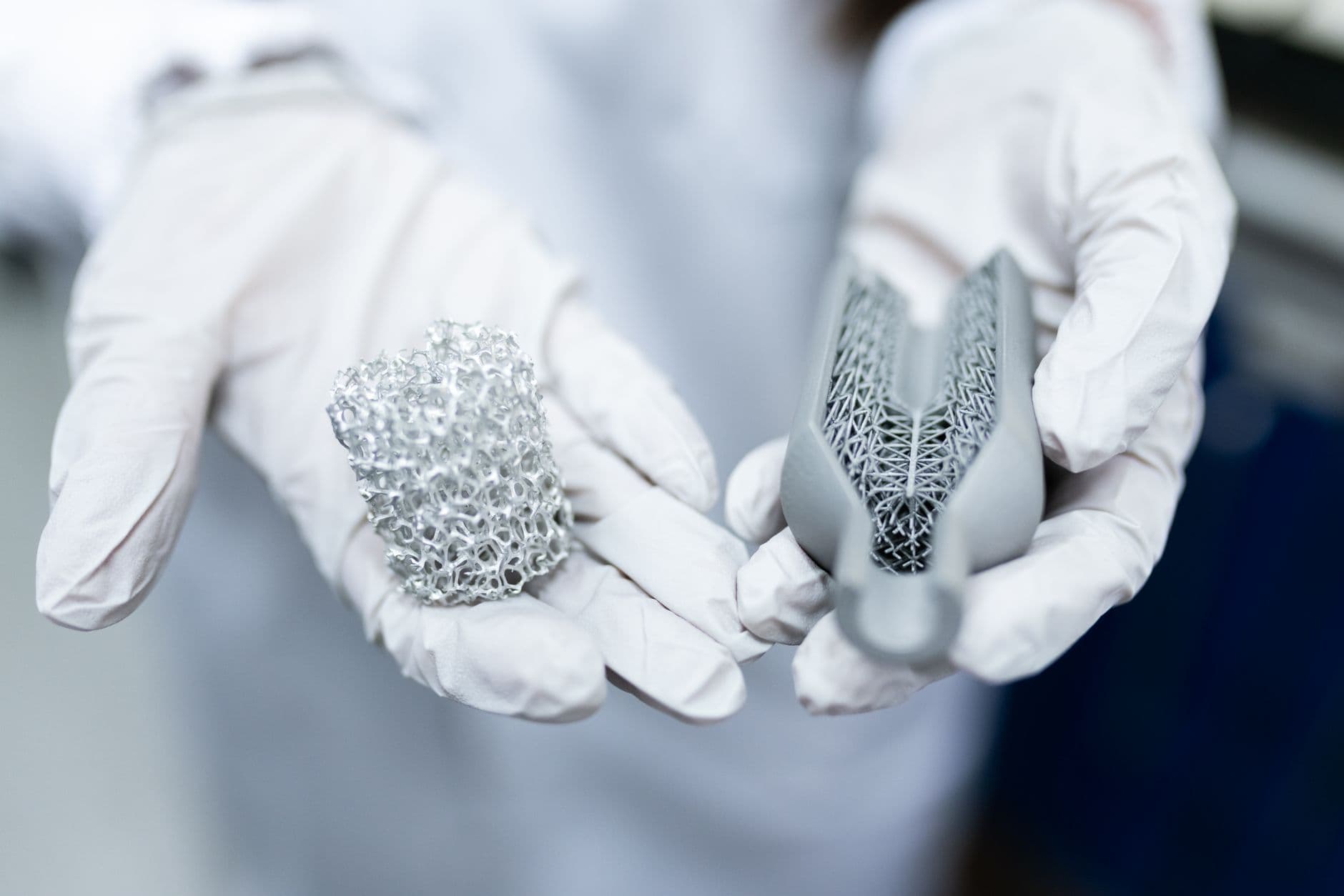
For the 3D printing community, the takeaway is straightforward: scramjets and ramjets reward exactly the traits that make additive valuable in the shop, from part consolidation to impossible-to-drill internal channels and complex flow paths. Lockheed Martin’s 2023 and 2024 annual-report materials also reference additive manufacturing as part of its technology advances, underscoring that these builds sit inside a wider push toward production-ready AM. In hypersonics, the value of a printer is not the headline speed of the machine. It is the ability to make a part whose geometry does the work.
This article was produced by Prism’s automated news system from verified source data, official records, and press releases, then run through automated quality and moderation checks before publishing. The system is built and supervised by the people who set the standards it runs under. Read our full AI policy.
Did this article answer your question?