Luyten mounts 3D printer on tower crane for 100-meter buildings
Luyten's Ascend A27 puts the printer on a tower crane, aiming at 100-meter builds with a 45-meter reach instead of another ground-bound gantry.
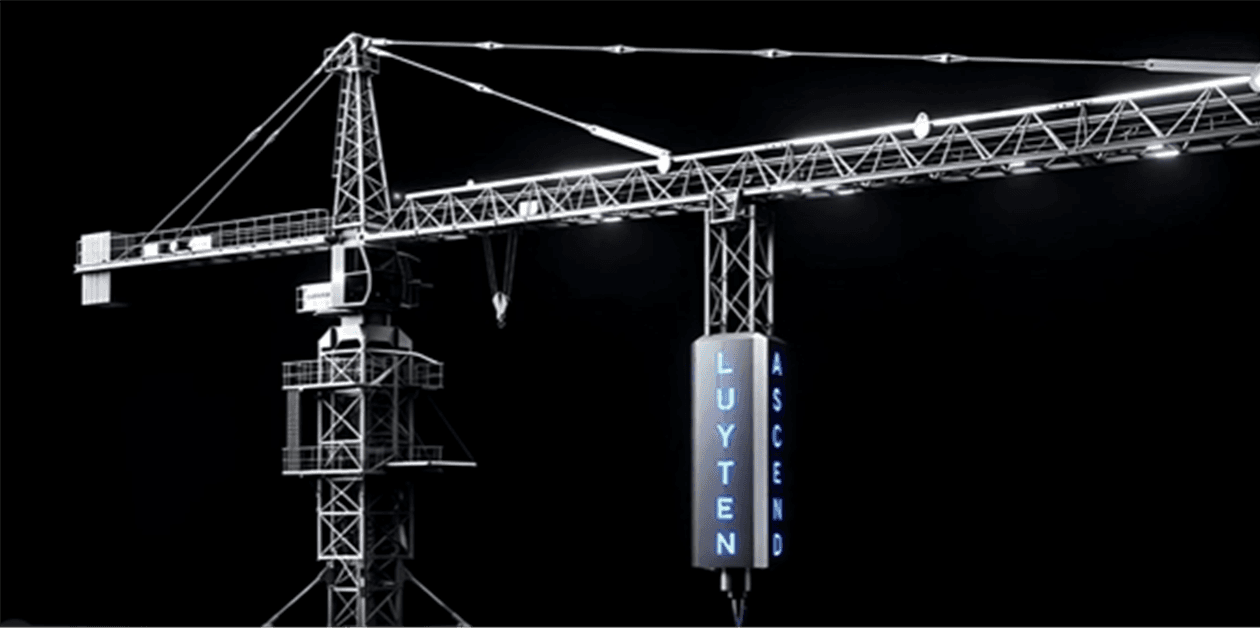
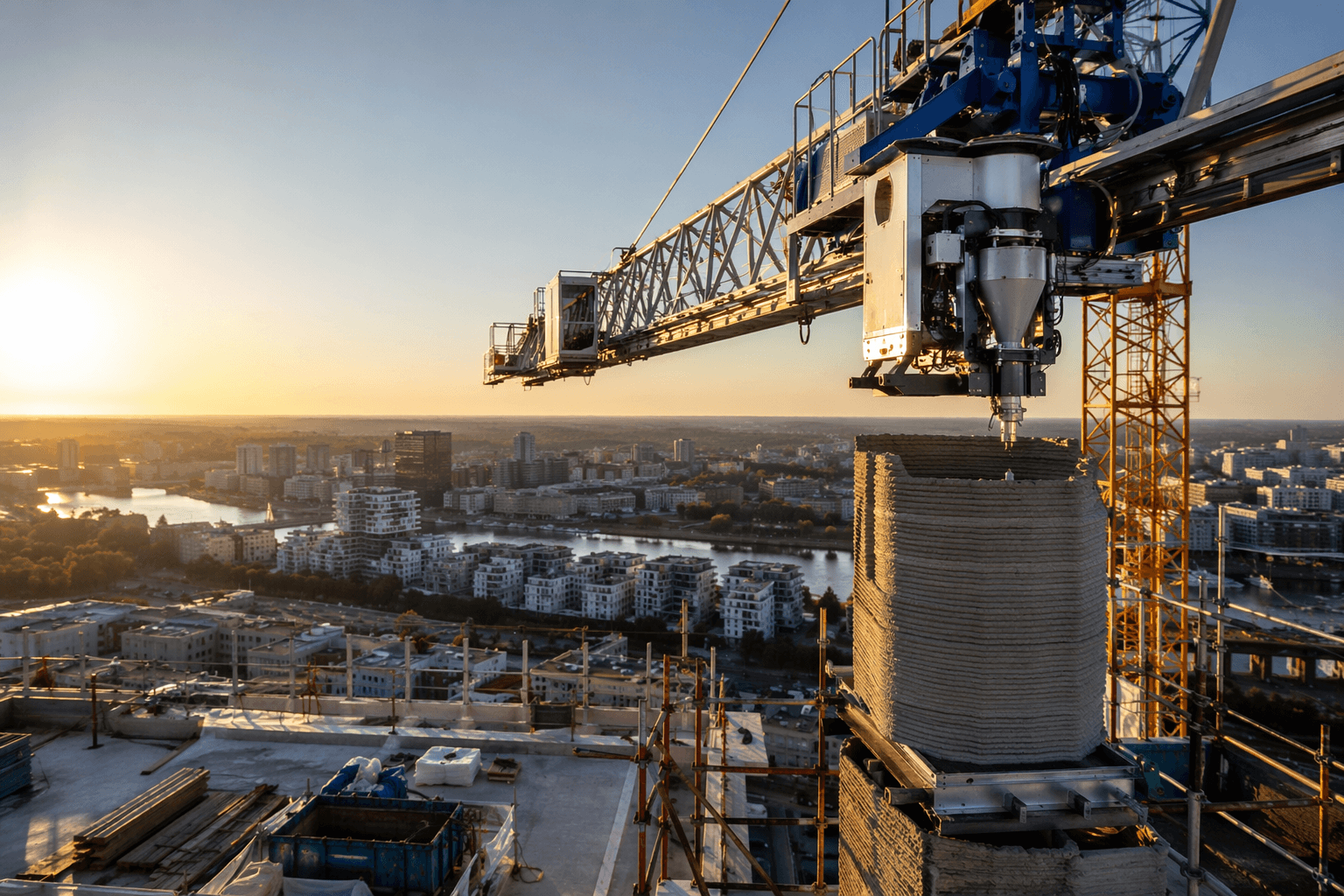
Luyten’s newest concrete printer does not sit on the ground and stretch outward like the rest of the field. The Ascend Series A27 bolts the print system onto a tower crane, and that single design choice may matter more than any headline about bigger, faster output. Luyten says the platform can reach about 100 meters in height, work within a 45-meter radius, and be installed and commissioned in one to two days.
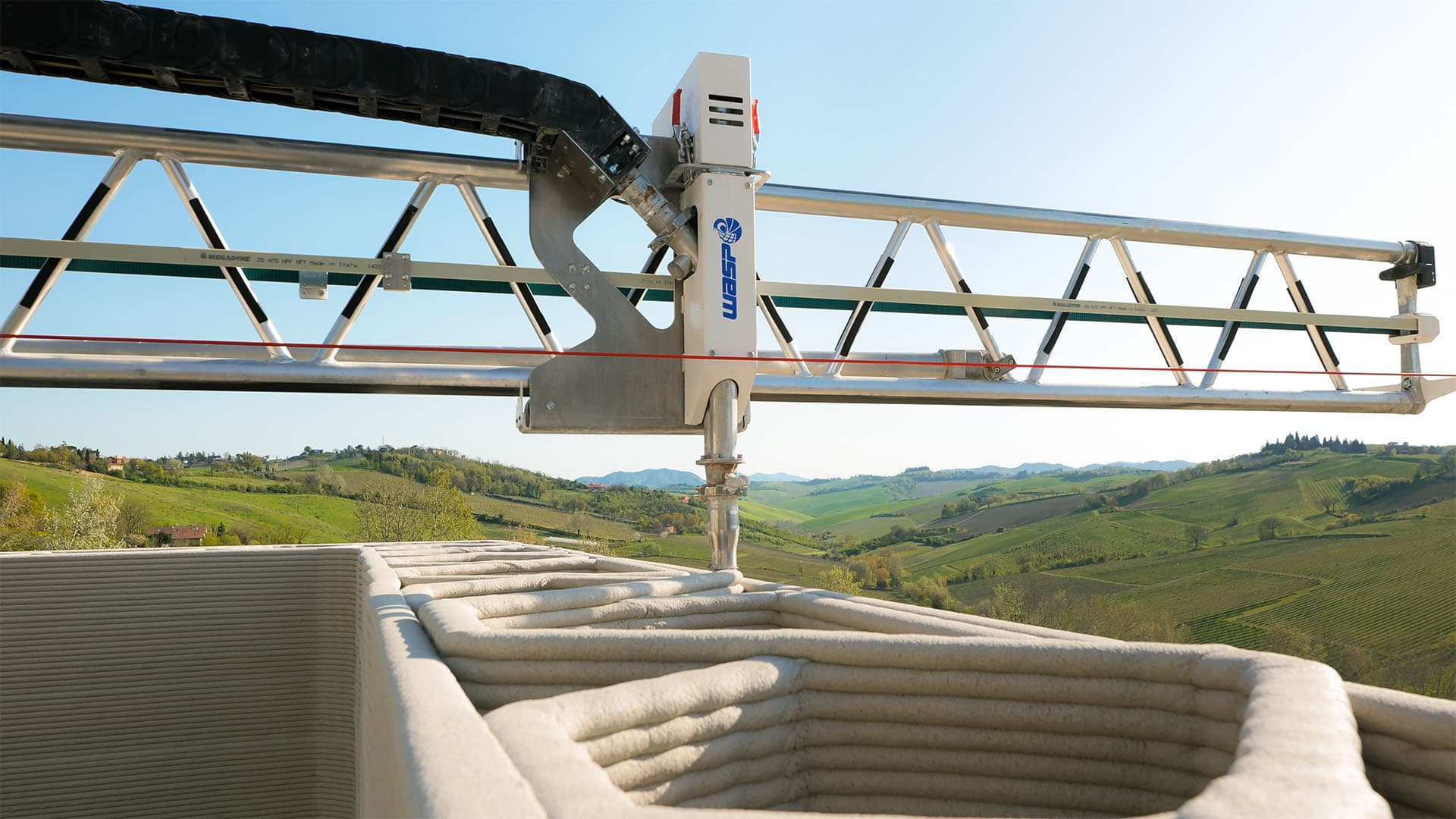
That architecture is the real break from convention. Most large-format systems in construction 3D printing still depend on gantry frames or rail-based setups that define the build envelope before the first layer goes down. PERI describes the COBOD BOD2 as a modular gantry printer assembled around the printing area, while ICON’s Titan is positioned around large-scale residential output, with public launch coverage in March 2026 saying builders could reserve one with a $5,000 deposit and buy one for $899,000. Luyten is trying to sidestep that whole category by turning the crane already on site into the machine itself.
The company unveiled Ascend on June 4, 2026, and describes it as the world’s first tower crane 3D printer, or robotic tower crane platform. That framing is not just marketing language. A crane-mounted print head changes the logic of deployment, especially on dense urban sites where height and access matter as much as footprint. Instead of asking contractors to fit the printer around the building, Luyten is asking them to print with the infrastructure the site already uses for lifting steel, panels, and materials.
Luyten, based in Melbourne, launched in 2020 and says its cofounders are Ahmed Mahil, Dr Godfrey Keung, Dr Michael Stanley, and Shaun Heap. The company has also tied Ascend to its own stack of materials and software, including proprietary Ultimatecrete printable concrete and AI-driven print-path generation. That combination points to a broader bet: construction printing is moving beyond raw extrusion and into systems that blend material science, site logistics, and digital workflow planning.
The timing is sharp. In May 2026, PERI 3D Construction and COBOD completed what was described as Europe’s largest 3D-printed apartment building in France, with 12 social housing apartments across three stories and about 800 square meters of living space. That project showed that construction-scale printing is no longer limited to demos. Luyten’s answer is to attack the next bottleneck, not the last one. If a tower crane can become the printer, the next wave of construction AM may be defined less by larger frames and more by smarter ways to borrow the machines that are already on the jobsite.
This article was produced by Prism’s automated news system from verified source data, official records, and press releases, then run through automated quality and moderation checks before publishing. The system is built and supervised by the people who set the standards it runs under. Read our full AI policy.
Know something we missed? Have a correction or additional information?
Submit a Tip