WASP completes Itaca, a self-sufficient 3D printed farm in Italy
WASP finished Itaca, a 164.9-square-meter printed farm in Emilia-Romagna, built with a lime mix and rice husks for a self-sufficient, code-compliant model.
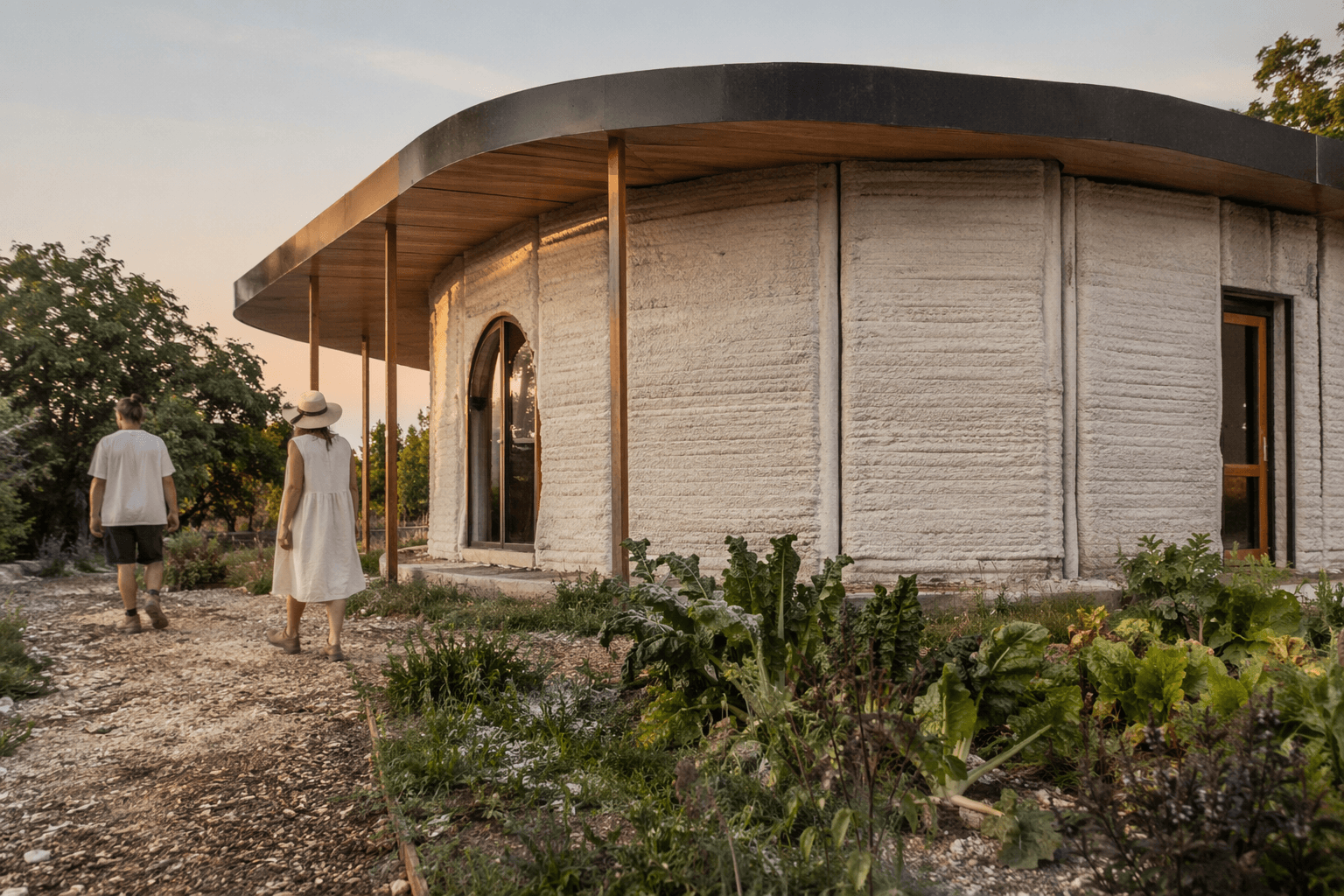
WASP has turned Itaca from a concept into a completed place to live, learn, and farm at Shamballa in the hills of Northern Italy. The project is more than a showpiece: WASP describes it as a self-sufficient farm and living model built around a circular micro-economy, with space for educational activities and events as well as daily use.
The site first entered public view at Italian Tech Week in Turin in 2022, when Massimo Moretti unveiled Itaca as part of WASP’s effort to answer human needs through digital manufacturing. Now complete, it stands as the company’s first certified 3D printed construction in Shamballa, a location WASP presents as its open-air laboratory for sustainable living and 3D printing research in Emilia-Romagna.
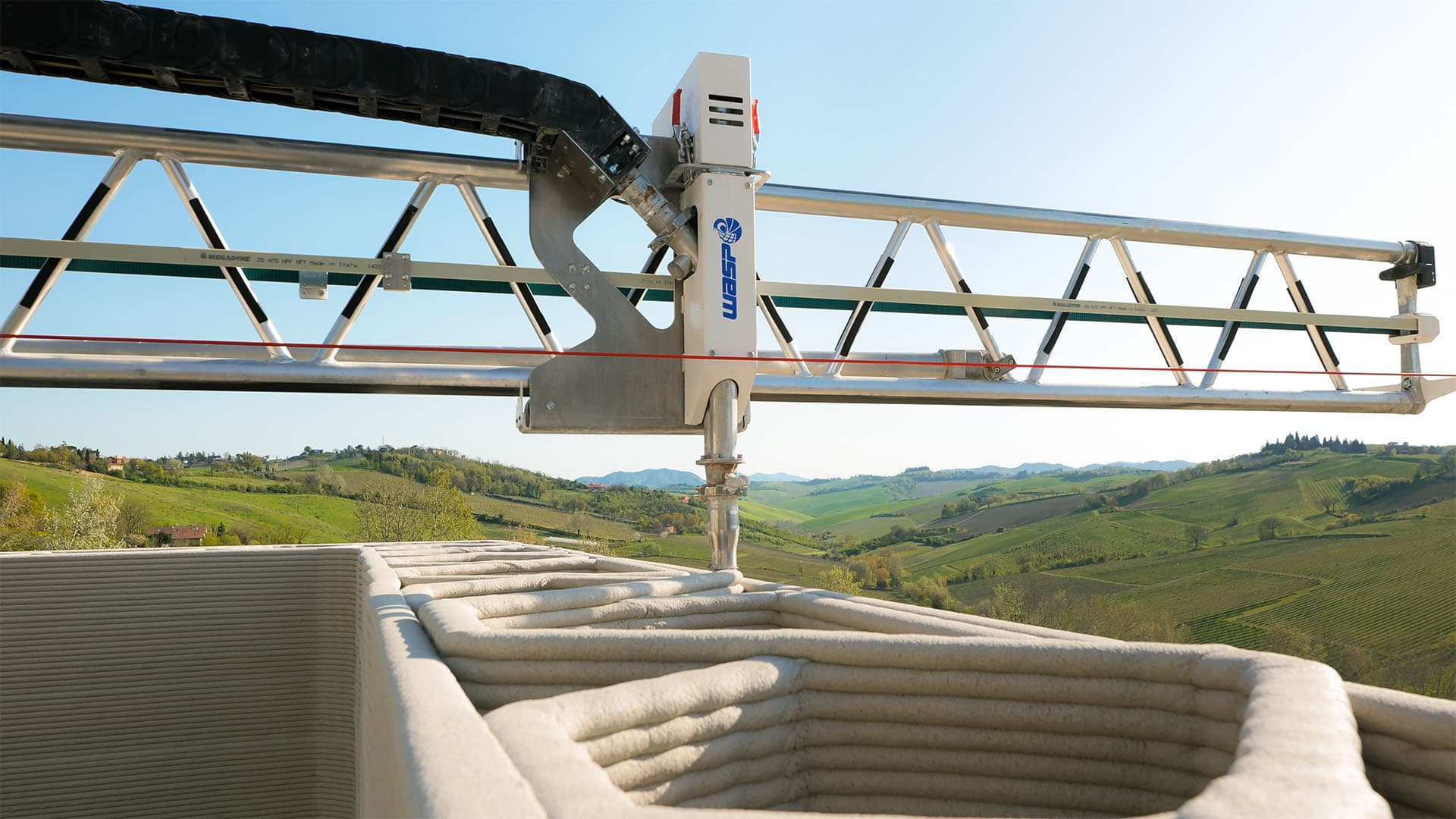
The build itself is the part hobbyists will want to study closely. The residential structure covers 164.9 square meters and was printed with a four-robot-arm Crane WASP configuration arranged at the vertices of a hexagonal frame. WASP says that setup can print four wall sections at once and finish the structural shell in as little as two days. Each wall rises about 3.8 meters and reportedly takes around 24 hours to print.
Material choice is where Itaca starts to feel especially useful as a reference point for the wider 3D printing world. WASP used a lime-based mix without concrete, pairing pure NHL lime and Geolegante, an eco-friendly mineral binder developed by Kerakoll, with rice husks to improve thermal performance, ventilation, and insulation. WASP says the walls are breathable, help regulate temperature, and reduce mold formation, which pushes the conversation beyond novelty and into the mechanics of performance, maintenance, and comfort.
The project also matters because it tries to solve the problem that has slowed many large-scale printing demonstrations: code compliance. WASP says Itaca was designed to meet Italian and European regulations, including earthquake resistance standards, a serious requirement in a country where seismic risk is part of the building reality. That makes the project feel less like a stunt and more like a repeatable construction logic.
Shamballa itself is growing into a much larger test bed. WASP says the eight-hectare project has drawn more than €1,000,000 in investment and will include over 500 fruit trees and 50,000 aromatic medicinal plants. The broader plan also includes houses, vertical vegetable gardens, and a lab for small printers to produce objects ranging from furniture to biomedical and jewelry items.
Seen in that light, Itaca reads as the next step after TECLA, the earlier eco-housing prototype WASP completed with Mario Cucinella Architects in Massa Lombarda in 2021. The leap here is not just size or speed, but the shift from prototype to a lived-in system, one that treats printed construction as infrastructure for off-grid thinking, modular design, and a more demanding standard for sustainability.
This article was produced by Prism’s automated news system from verified source data, official records, and press releases, then run through automated quality and moderation checks before publishing. The system is built and supervised by the people who set the standards it runs under. Read our full AI policy.
Know something we missed? Have a correction or additional information?
Submit a Tip