Maldives resort installs 3D-printed clay reef to fight coral bleaching
Anantara Dhigu placed 13 3D-printed clay reef modules in its lagoon, building a 150-square-meter habitat meant to help coral recruitment and shelter marine life.
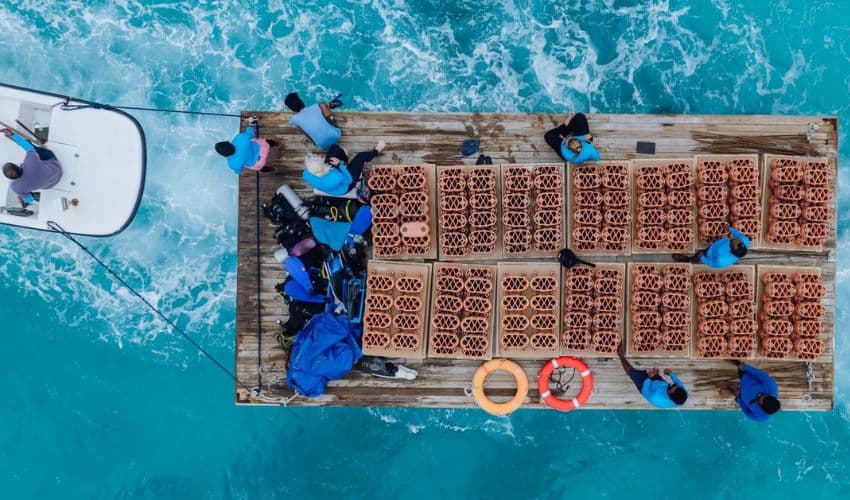
Anantara Dhigu Maldives Resort has installed 13 3D-printed clay reef structures in its lagoon, turning a coral-restoration job into a piece of additive manufacturing built for living systems. The project, called Theyra Maa, means “13 flowers” in Dhivehi, and the reef was installed in May 2026.
The resort announced the collaboration with rrreefs on June 15, 2026. rrreefs said the Maldives installation spans roughly 150 square meters and sits adjacent to the resort’s SFS Coral Nursery, where the new structures were secured into the lagoon base underwater to help them last. Minor Hotels said the project was supported by Edelweiss Air, a member of the Lufthansa Group, and help alliance.
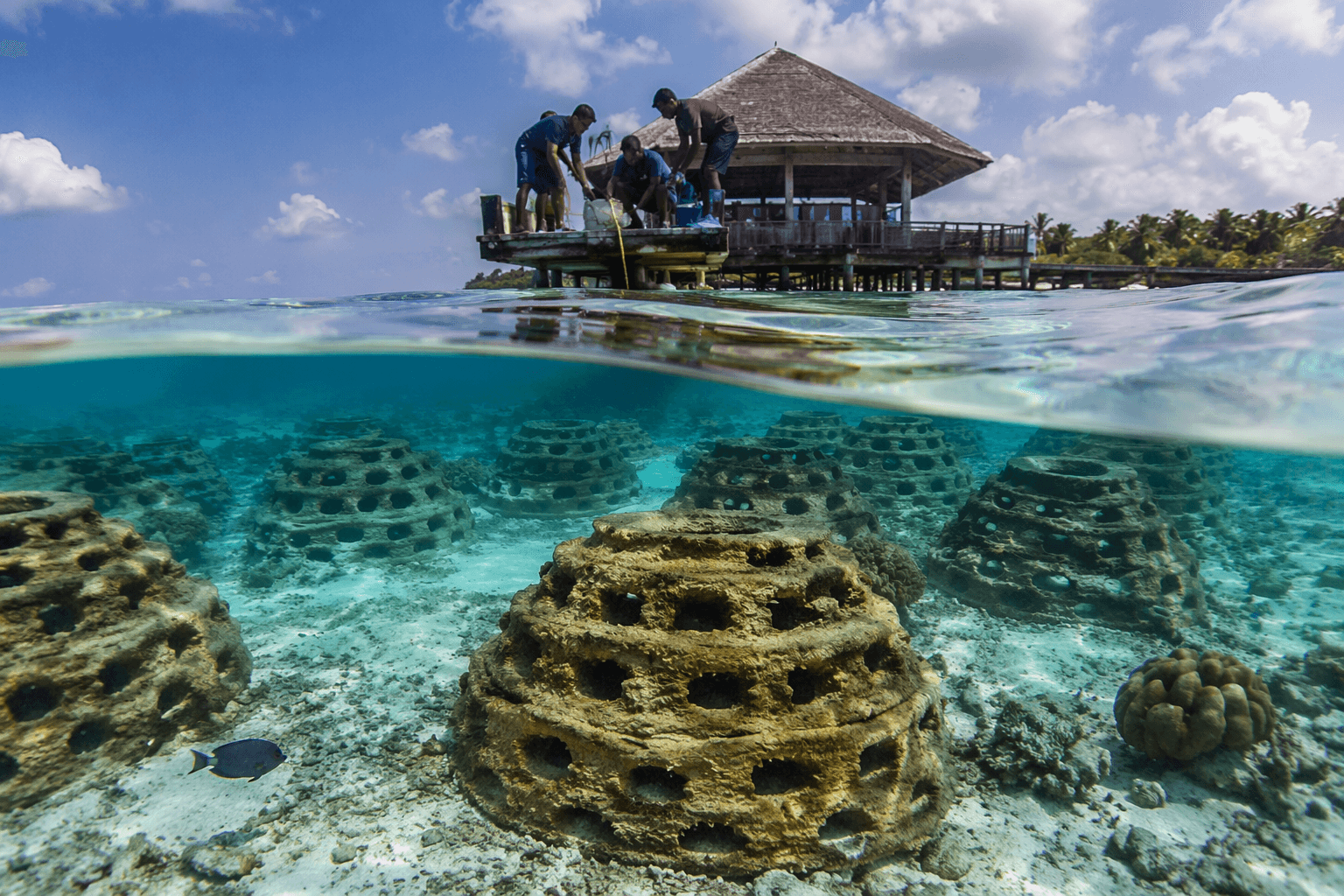
What makes the installation interesting for 3D printing is not the headline number of 13, but the geometry behind it. rrreefs says its approach uses interlocking, 3D-printed clay modules designed around ecological and engineering constraints: they mimic natural reef forms, encourage coral recruitment, and create shelter for fish, crustaceans, molluscs, and other marine life. In other words, these are not decorative forms dropped into the sea. They are printed substrates meant to be colonized, stacked into a larger habitat that can do work a flat panel never could.
The Maldives is a hard place to test that idea, which is exactly why the project matters. The World Bank says tourism and fisheries together account for about half of GDP-value add and jobs in the country, and both depend on healthy marine ecosystems. United Nations analysis says the 1998 bleaching event killed up to 90% of corals in some shallow reef areas, with coral cover dropping from about 40% to less than 2%, and recovery taking roughly 10 years. The same reefs were hit again in 2016, 2019 and 2020, and a 2026 paper said the Maldives reached record sea surface temperatures of 31.5 C in 2024 during the fourth global coral bleaching event.
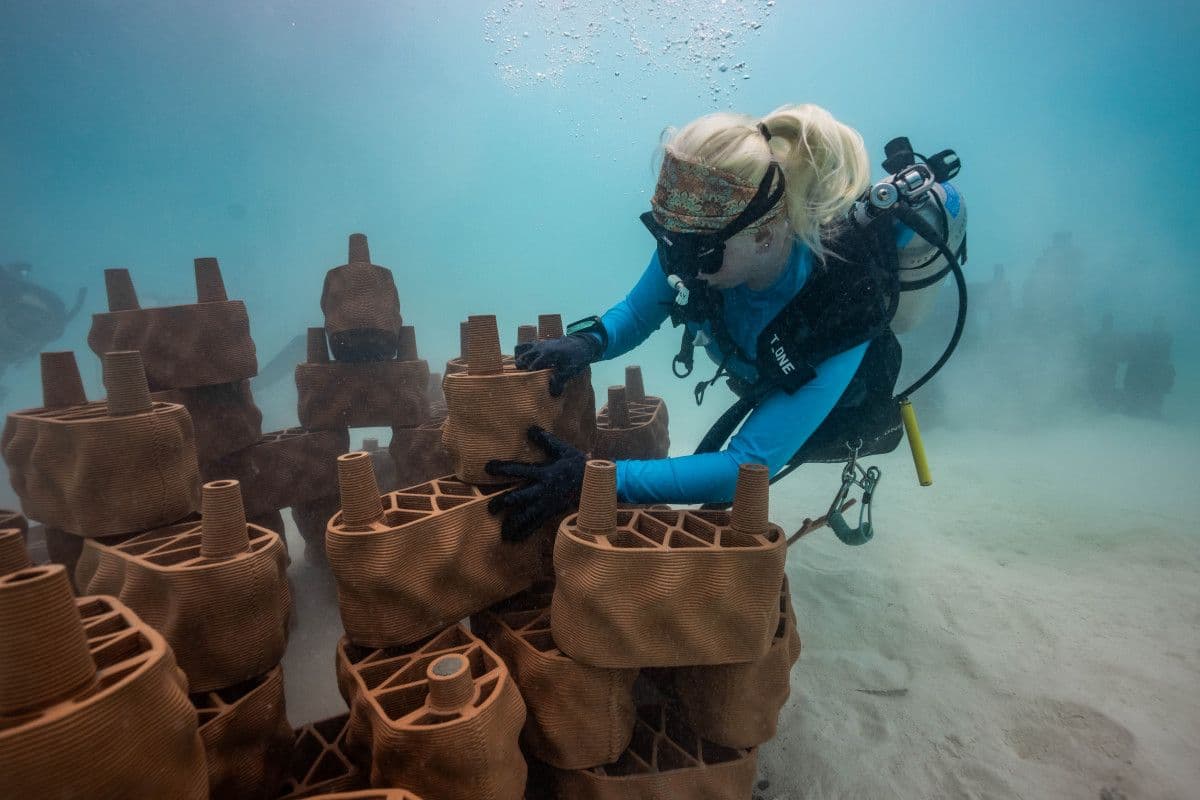
rrreefs, founded in 2020 by Ulrike Pfreundt, Marie Griesmar, Hanna Kuhfuss and Josephine Graf at ETH Zurich, has been pushing that modular approach beyond concept art and into field use. Its 2025 scientific report said biodiversity and the abundance of indicator species exceeded those of nearby natural reefs at a site in Siquijor after three months. The Maldives project takes that same logic and scales it into a resort lagoon, where the real test is whether printed clay, the right surface texture and the right voids can help a damaged reef start acting like one again.
This article was produced by Prism’s automated news system from verified source data, official records, and press releases, then run through automated quality and moderation checks before publishing. The system is built and supervised by the people who set the standards it runs under. Read our full AI policy.
Did this article answer your question?