MechStyle blends generative AI and selective FEA to keep 3D-printed designs strong
MechStyle combines generative AI with selective FEA checks to keep stylized 3D models mechanically viable, reducing failed prints while preserving user aesthetics.
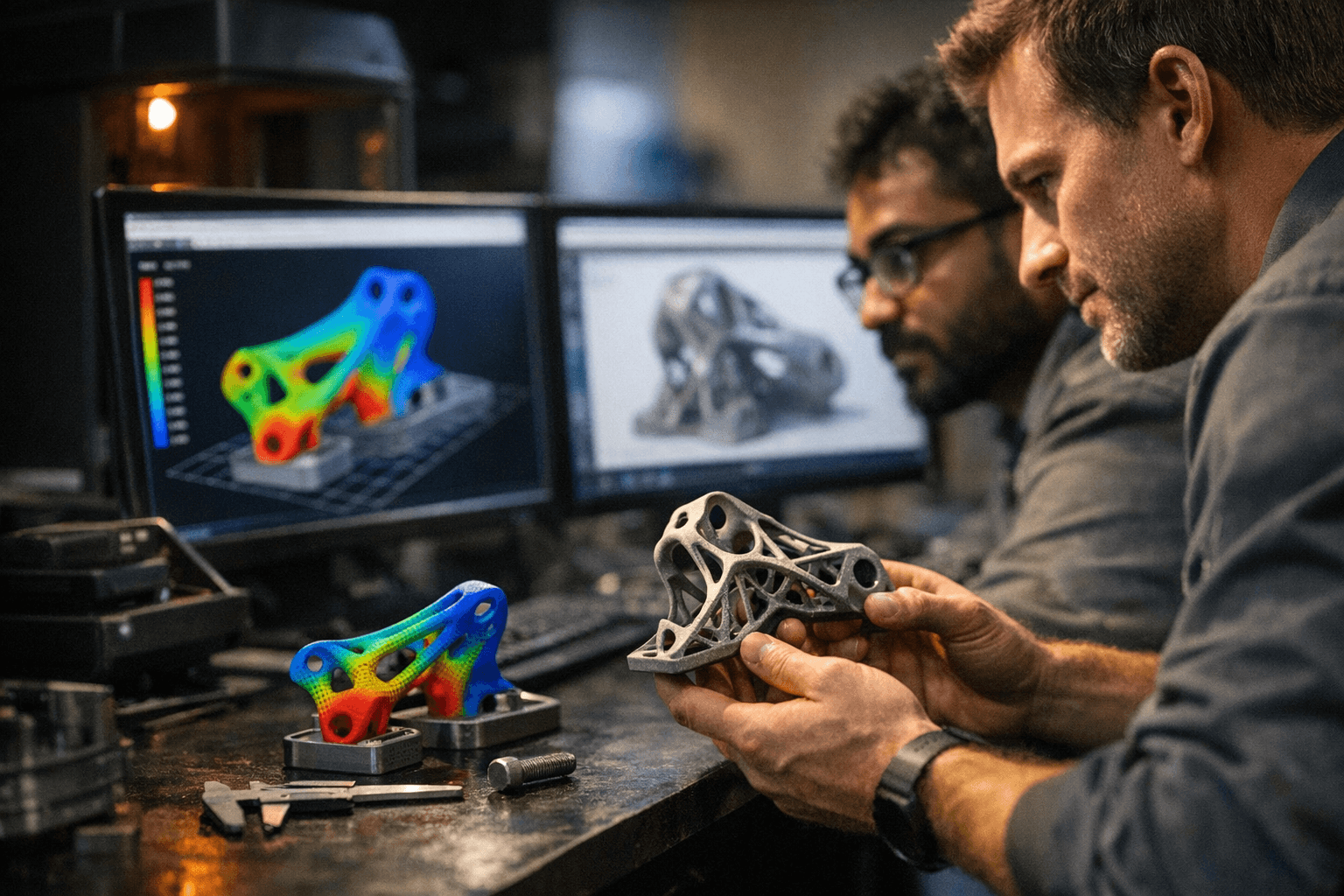
MechStyle ties generative AI stylization to targeted finite-element analysis so you get eye-catching 3D prints that still hold up under load. The workflow starts from an uploaded mesh or a preset asset, applies AI-driven shape changes to match aesthetic prompts, and uses an adaptive scheduler to decide when to run physics checks and where to pause or constrain stylization to avoid creating weak regions.
Researchers from MIT CSAIL, with collaborators at Google, Stability AI and Northeastern University, published MechStyle on January 20, 2026. The team designed the system so physics checks are inexpensive and selective rather than full, costly simulations at every edit. That saves compute and keeps iteration fast while catching the changes most likely to cause failure - thin walls, stress concentrations around holes or overhangs, and re-entrant features that break under load.
In tests over 30 design examples including vases, hooks and decorative shapes, MechStyle preserved the user's aesthetic prompts while maintaining structural strength. The method reached near 100% structural viability in many cases, meaning stylized outputs passed the selective FEA checks and remained printable and functional. The research team emphasized that MechStyle is not a cure for fundamentally unprintable parts; it assumes an initially reasonable geometry and is designed to make generative outputs practical rather than to rescue impossible designs.
For makers and small-run designers this approach matters. Start with a solid baseline model and you can push creative surface and silhouette changes without dramatically increasing the risk of a failed print. The selective-check strategy maps neatly onto common hobby workflows: run stylization, run cheap targeted FEA on suspect regions, and adjust topology or print orientation only where the scheduler flags problems. That reduces wasted filament and time compared with blind aesthetic edits followed by brute-force trial prints.
Tool builders and slicer developers should also take note. The combination of a generative stylizer and an adaptive scheduler suggests an integration path for design plugins or cloud-based toolchains that provide on-the-fly structural feedback. For functional prints like hooks or load-bearing fixtures, the ability to keep strength high while applying visible style opens doors for consumer products, gifts and small-batch manufacturing.
Limits remain. MechStyle depends on reasonable starting geometry and on the accuracy of the selective FEA checks; designers still need to respect printer constraints such as minimum feature size, wall thickness and support strategies. Expect MechStyle-style checks to appear first in research toolchains and later as features in commercial modelers and slicers. For now, verify your baseline geometry, embrace targeted physics checks, and use stylization early in the design cycle to keep creativity from snapping under load.
This article was produced by Prism’s automated news system from verified source data, official records, and press releases, then run through automated quality and moderation checks before publishing. The system is built and supervised by the people who set the standards it runs under. Read our full AI policy.
Did this article answer your question?